


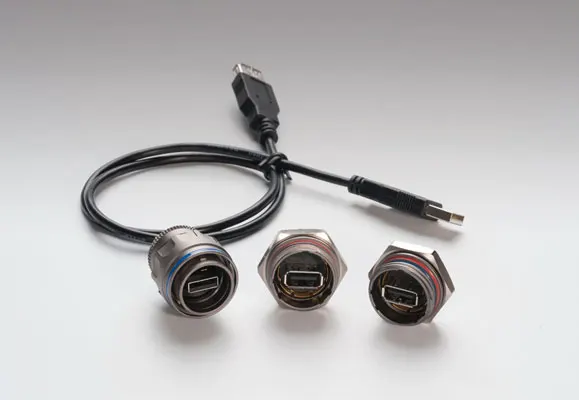
M series connectors are widely used in industrial automation, transportation, and electronic systems where durability and stable electrical performance are essential. In such demanding environments, the materials and build quality of connectors directly influence reliability, safety, and long-term operational efficiency. Engineers must carefully evaluate structural design and material composition to ensure consistent performance under vibration, temperature variation, and environmental exposure.
Modern industrial systems require components that can withstand continuous use without degradation. This is why high-performance solutions such as m series connectors are engineered with carefully selected metals, insulating materials, and protective coatings that enhance both mechanical strength and electrical stability. Their build quality ensures that they can perform reliably even in harsh operating conditions where standard connectors may fail.
Importance of Material Selection in Connectors
Material selection is one of the most critical factors in connector design. It directly affects conductivity, corrosion resistance, thermal stability, and mechanical durability. In industrial environments, connectors are often exposed to moisture, dust, oil, and chemical substances, making material quality essential for long-term performance.
High-quality materials help ensure that electrical signals remain stable while minimizing resistance and energy loss. They also improve resistance to wear caused by repeated mating cycles, which is common in automation and machinery applications.
Conductive Materials and Electrical Performance
The conductive parts of M series connectors are typically made from high-performance metal alloys such as copper-based materials. These materials are chosen for their excellent electrical conductivity and low resistance, which are essential for maintaining stable signal and power transmission.
To further improve performance, contact surfaces are often plated with materials such as gold, silver, or nickel. These coatings enhance corrosion resistance and ensure consistent conductivity even after long-term use or exposure to harsh environments.
Proper contact material selection helps reduce signal loss, prevent overheating, and improve overall system efficiency.
Housing Materials and Mechanical Strength
The external housing of M series connectors plays a crucial role in protecting internal components from mechanical damage and environmental exposure. Common housing materials include aluminum alloys, stainless steel, and high-strength engineering plastics.
Metal housings provide excellent durability and resistance to impact, making them suitable for heavy-duty industrial applications. Plastic housings, on the other hand, offer lightweight construction and good insulation properties, making them ideal for compact or cost-sensitive systems.
In many industrial-grade connectors, metal shells are preferred due to their superior resistance to vibration and harsh environmental conditions.
Insulation and Safety Considerations
Insulating materials are essential for preventing electrical leakage and ensuring user safety. High-quality insulation materials are designed to withstand high voltage levels while maintaining structural stability under heat and pressure.
Thermoplastic and thermoset materials are commonly used in connector insulation due to their excellent dielectric properties. These materials help maintain safe separation between conductive elements and reduce the risk of short circuits or electrical faults.
Proper insulation also contributes to the overall lifespan of the connector by protecting internal components from environmental stress.
Surface Treatment and Corrosion Resistance
Surface treatment is another important factor in connector durability. Industrial environments often expose connectors to moisture, salt, chemicals, and other corrosive elements that can degrade performance over time.
To combat this, M series connectors often undergo surface treatments such as anodizing, plating, or coating. These processes enhance resistance to oxidation and corrosion, ensuring long-term stability even in harsh conditions.
Corrosion-resistant finishes are particularly important in marine, automotive, and outdoor industrial applications where environmental exposure is unavoidable.
Build Quality and Manufacturing Precision
Build quality is not only determined by materials but also by manufacturing precision. Tight tolerances in machining and assembly ensure proper alignment of pins, secure locking mechanisms, and consistent electrical contact.
Precision engineering reduces the risk of loose connections, signal loss, and mechanical failure. It also ensures compatibility across different connector types and systems, which is essential in large-scale industrial applications.
High-quality manufacturing processes also include rigorous testing for vibration resistance, temperature cycling, and electrical performance to guarantee reliability in real-world conditions.
Impact on Long-Term Reliability
The combination of high-quality materials and precise manufacturing directly influences the long-term reliability of connectors. Well-built M series connectors can withstand repeated use, environmental stress, and mechanical vibration without significant performance degradation.
This reliability reduces maintenance requirements and minimizes system downtime, which is especially important in industries where continuous operation is critical.
Investing in high-quality connectors ultimately leads to lower lifecycle costs and improved system efficiency.
Conclusion
Material selection and build quality are fundamental to the performance and durability of M series connectors. From conductive metals and protective coatings to robust housing and precise manufacturing, every design element contributes to reliable operation in demanding environments. By understanding these considerations, engineers can select connectors that ensure long-term stability, safety, and efficiency in industrial, automotive, and automation systems.


