


Energy efficiency has become one of the most important factors in modern lighting and wellness technologies. As users look for devices that deliver strong performance without high electricity consumption, LED-based systems have become a preferred choice across many applications.
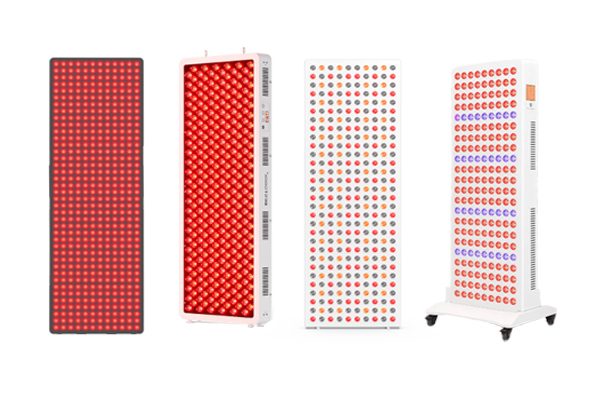
One of the most efficient solutions available today is a red led panel, which combines advanced semiconductor technology with low power consumption to deliver stable and effective light output. These systems are designed to maximize performance while minimizing wasted energy, making them suitable for long-term use.
Why Energy Efficiency Matters in LED Technology
Energy efficiency is not just about reducing electricity bills—it also affects device performance, heat generation, and long-term durability. More efficient systems operate at lower temperatures and place less strain on internal components.
In lighting applications, efficiency directly influences:
- Power consumption levels
- Heat output during operation
- Lifespan of the device
- Overall operational cost
This is why LED technology has become widely adopted in both consumer and professional environments.
How Red LED Panels Achieve High Efficiency
Red LED panels are engineered to convert electrical energy directly into light with minimal loss. Unlike traditional lighting systems that generate excess heat, LEDs focus energy output into visible and near-infrared wavelengths.
Key mechanisms behind their efficiency include:
- Semiconductor-based light generation
- Low-resistance electrical pathways
- Advanced driver circuits for stable current flow
- Optimized LED chip design
These factors allow red LED panels to deliver consistent illumination while consuming significantly less power.
Reduced Power Consumption Compared to Traditional Lighting
One of the most noticeable advantages of LED systems is their reduced energy usage compared to older lighting technologies such as incandescent or halogen systems.
Red LED panels typically require:
- Lower wattage for similar light output
- Less frequent power cycling
- Reduced energy loss through heat
- More efficient long-duration operation
This makes them especially suitable for users who rely on regular or extended sessions.
Heat Reduction and Its Impact on Efficiency
Heat is one of the primary indicators of energy waste in lighting systems. Excess heat means that more energy is being lost rather than converted into usable light.
Red LED panels address this issue through:
- Efficient thermal design
- Heat sinks and cooling systems
- Low-heat LED operation
- Optimized electrical regulation
By minimizing heat production, the system maintains higher energy efficiency and longer operational stability.
Long Lifespan and Reduced Replacement Costs
Another key benefit of energy-efficient LED systems is their extended lifespan. Because they operate at lower temperatures and with stable power input, components experience less wear over time.
This results in:
- Fewer replacements needed
- Lower maintenance costs
- Reduced material waste
- Better long-term investment value
A well-designed LED panel can operate for thousands of hours while maintaining consistent performance.
Stable Output with Lower Energy Waste
Efficiency is not only about power usage but also about how effectively that energy is converted into usable light output. Red LED panels are designed to maintain stable brightness and wavelength consistency throughout their operation.
This stability is achieved through:
- Constant current driver systems
- Uniform LED chip distribution
- Balanced circuit design
- Voltage regulation mechanisms
These features ensure that energy is used effectively rather than being lost through fluctuations or instability.
Environmental Benefits of LED Efficiency
Lower energy consumption also contributes to environmental sustainability. Reduced electricity demand leads to lower carbon emissions, especially in regions where energy is generated from non-renewable sources.
Environmental benefits include:
- Lower overall energy consumption
- Reduced greenhouse gas emissions
- Longer product lifecycle reducing waste
- Improved sustainability in lighting applications
This makes LED technology a more environmentally responsible choice.
Cost Savings Over Time
While the initial cost of a red LED panel may be higher than traditional lighting options, the long-term savings are significant.
Users benefit from:
- Lower electricity bills
- Reduced maintenance expenses
- Fewer replacement costs
- Improved operational efficiency
Over time, these savings often outweigh the initial investment.
Factors That Influence Efficiency Performance
Not all LED panels perform equally. Several factors can impact energy efficiency, including:
- Quality of LED chips used
- Power supply stability
- Heat dissipation design
- Usage patterns and duration
- Overall build quality
Higher-quality systems are typically more efficient and maintain performance longer.
Best Practices for Maximizing Efficiency
Users can further improve efficiency by following simple usage practices:
- Avoid unnecessary extended operation
- Use recommended intensity settings
- Ensure proper ventilation during use
- Maintain the device in clean condition
These habits help ensure that the panel operates at peak efficiency over time.
Conclusion
A red LED panel offers significant energy efficiency advantages through low power consumption, reduced heat output, and stable long-term performance. Its ability to convert electricity directly into light makes it a highly effective solution for both personal and professional applications.
By combining durability with energy-saving design, red LED panels provide a practical and sustainable lighting option that delivers long-term value while minimizing energy waste.


