


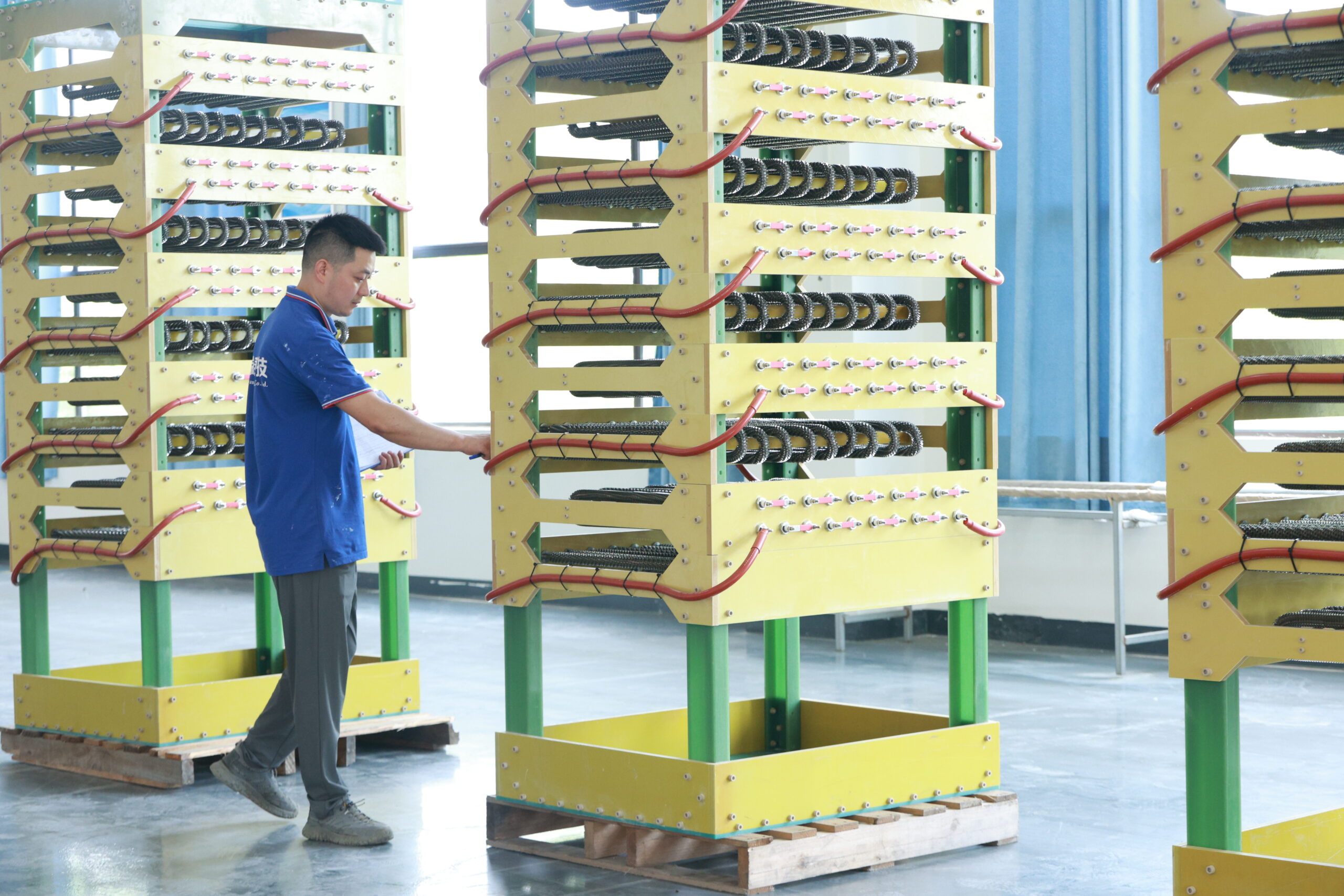
Safety is one of the most important considerations in the design and manufacturing of electrical testing equipment. Resistive load banks are widely used to test generators, UPS systems, batteries, alternators, and other critical power systems under controlled conditions. Because these tests involve high electrical loads and heat generation, manufacturers must prioritize safety at every stage of product development. A professional resistive load banks manufacturer follows strict engineering practices, quality control procedures, and international safety standards to ensure every load bank operates reliably and safely.
Understanding how manufacturers achieve these safety standards can help businesses select equipment that protects both personnel and valuable electrical assets.
Designing with Safety in Mind
Product safety begins during the design phase. An experienced resistive load banks manufacturer carefully evaluates electrical, thermal, and mechanical risks before production starts. Engineers design load banks to operate safely under various environmental conditions while maintaining stable performance throughout the testing process.
The design process includes detailed calculations for electrical load capacity, heat dissipation, airflow, structural strength, and insulation to ensure safe operation under continuous use.
Using High-Quality Components
The reliability of a load bank depends heavily on the quality of its components. Professional manufacturers carefully select durable materials that can withstand demanding industrial environments.
High-quality components typically include:
- Premium resistive elements
- Heavy-duty electrical contactors
- Reliable cooling fans
- Industrial-grade switches
- High-performance insulation materials
- Durable electrical wiring
Using quality components reduces the risk of equipment failure and improves overall operational safety.
Advanced Thermal Management
Resistive load banks convert electrical energy into heat, making temperature control a critical safety factor. A trusted resistive load banks manufacturer incorporates efficient cooling systems that maintain safe operating temperatures during testing.
Modern thermal management solutions include:
- High-capacity cooling fans
- Optimized airflow design
- Temperature monitoring sensors
- Automatic cooling control
- Heat-resistant internal components
These systems prevent overheating while ensuring consistent testing performance.
Built-In Protection Systems
Modern resistive load banks include multiple protection features that automatically respond to abnormal operating conditions.
Common safety protections include:
- Over-temperature protection
- Emergency stop buttons
- Automatic shutdown systems
- Circuit breaker protection
- Overload detection
- Cooling fan failure monitoring
- Fault indication alarms
These safety mechanisms minimize equipment damage and protect operators during testing procedures.
Strict Quality Control During Manufacturing
Safety depends not only on design but also on consistent manufacturing quality. A professional resistive load banks manufacturer follows comprehensive quality control procedures throughout production.
Quality inspections typically include:
- Raw material verification
- Component inspection
- Assembly quality checks
- Electrical connection testing
- Mechanical inspection
- Functional testing before shipment
Each production stage is carefully monitored to ensure every load bank meets the required safety standards.
Comprehensive Factory Testing
Before delivery, every load bank should undergo extensive testing to verify safe operation under real working conditions.
Factory testing often includes:
- Full-load performance testing
- Temperature rise evaluation
- Cooling system verification
- Protection system testing
- Electrical insulation testing
- Operational stability checks
These tests help identify any potential issues before the equipment reaches the customer.
Compliance with International Standards
A reputable resistive load banks manufacturer designs products in accordance with recognized international electrical and safety standards. Compliance demonstrates that the equipment has been developed using established engineering principles and verified manufacturing processes.
Meeting industry standards provides customers with greater confidence in equipment reliability, performance, and operational safety.
Clear Operating Instructions
Even the safest equipment requires proper operation. Professional manufacturers supply detailed documentation that helps users install, operate, and maintain the load bank correctly.
Documentation generally includes:
- Installation guidelines
- Operating procedures
- Safety precautions
- Maintenance schedules
- Troubleshooting instructions
- Emergency procedures
Clear documentation reduces operator errors and supports safe daily operation.
Ongoing Technical Support
Safety extends beyond the manufacturing process. Reliable manufacturers continue supporting customers throughout the equipment’s service life.
After-sales services often include:
- Technical consultation
- Operator training
- Maintenance recommendations
- Spare parts support
- Troubleshooting assistance
- Software or control system updates where applicable
Regular support helps maintain safe equipment performance over many years.
Continuous Product Improvement
Technology continues to evolve, and leading manufacturers regularly improve their products by introducing safer materials, smarter monitoring systems, and enhanced control technologies.
Continuous investment in research and development enables a resistive load banks manufacturer to provide equipment that meets changing industry requirements while further improving operational safety and reliability.
Conclusion
A professional resistive load banks manufacturer ensures product safety through careful engineering, premium components, advanced cooling systems, built-in protection features, rigorous quality control, comprehensive factory testing, and ongoing customer support. These measures help deliver equipment that performs accurately while protecting both operators and critical electrical systems. By choosing a manufacturer with a strong commitment to safety, businesses can carry out power system testing with greater confidence, improved reliability, and reduced operational risk.


