


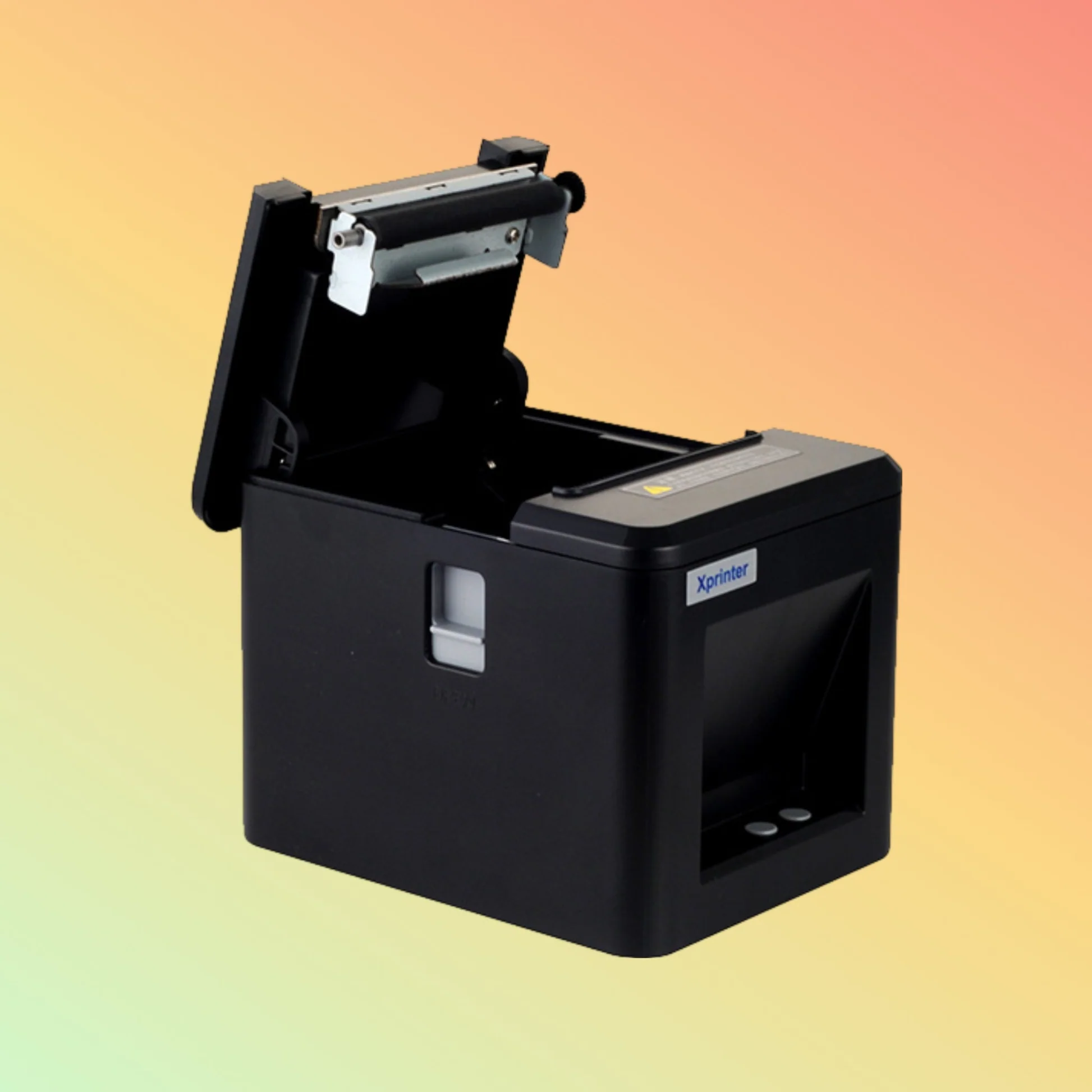
Receipt printers are an important part of many businesses, especially in retail, restaurants, hospitality, and service industries. Choosing the right type of printer can affect transaction speed, maintenance costs, print quality, and overall workflow efficiency.
Businesses often compare traditional receipt printers with modern thermal printing solutions such as the Xprinter Thermal Receipt Printer to determine which option better fits their needs. Understanding the key differences between these technologies helps businesses make more informed purchasing decisions.
Printing Technology
The biggest difference between thermal receipt printers and standard receipt printers is the way they produce printed output.
Thermal Receipt Printers
Thermal printers use heat to create images and text on specially coated thermal paper. They do not require ink cartridges or ribbons, which simplifies the printing process.
Standard Receipt Printers
Standard receipt printers usually rely on ink, toner, or ribbon-based printing methods. These systems use more traditional printing technology and may require additional consumable supplies.
The choice between the two depends on business requirements, operating costs, and preferred maintenance levels.
Printing Speed
Speed is an important factor for businesses that process many transactions daily.
Thermal receipt printers are generally designed for fast printing, making them suitable for busy environments such as:
- Retail checkout counters
- Restaurants
- Cafes
- Ticketing areas
- Service stations
Standard receipt printers may provide reliable performance but can be slower depending on the printing method and model.
Maintenance Requirements
Maintenance needs can influence long-term operating costs.
Thermal Receipt Printers
Thermal printers usually require less maintenance because they do not depend on ink cartridges or ribbons. Routine cleaning and proper paper handling are often enough to maintain performance.
Standard Receipt Printers
Traditional printers may require more frequent replacement of ink, toner, or ribbons. These additional supplies can increase maintenance tasks over time.
Operating Costs
Businesses should consider more than the initial purchase price when selecting a printer.
Thermal receipt printers can reduce ongoing expenses because they use fewer consumable parts. Standard printers may involve additional costs related to ink, ribbons, or replacement components.
Lower operating costs can be especially beneficial for businesses with high daily printing volumes.
Print Quality and Readability
Both printer types can produce clear receipts, but their performance may vary depending on the application.
Thermal printers are commonly used for receipts because they provide:
- Sharp text
- Clear transaction details
- Readable barcodes
- Consistent output quality
Standard receipt printers may also deliver good results but often depend on ink quality and maintenance condition.
Noise Levels
The working environment is another factor to consider.
Thermal receipt printers typically operate more quietly because their printing process involves fewer mechanical movements. This makes them suitable for customer-facing locations where reduced noise is preferred.
Standard receipt printers may produce more operational noise depending on their printing mechanism.
Size and Workspace Requirements
Modern businesses often need compact equipment that fits into limited spaces.
Thermal receipt printers usually feature compact designs that work well in:
- Small retail counters
- Restaurant stations
- Reception desks
- Mobile service areas
Standard receipt printers may require more space depending on their design and technology.
Connectivity and Integration
Both printer types can connect with business systems, but modern thermal printers often provide flexible connectivity options.
Common connection methods include:
- USB
- Ethernet
- Wi-Fi
- Bluetooth
This flexibility makes thermal receipt printers easier to integrate with modern POS systems and digital business platforms.
Durability and Daily Use
Businesses that rely on continuous printing need equipment that can handle regular workloads.
Thermal receipt printers are widely used in high-volume environments because of their simple design and reliable operation. Standard printers can also perform well, but maintenance requirements may increase with heavy usage.
Which Printer Is Better for Your Business?
The best choice depends on your business type and printing needs.
A thermal receipt printer may be a better option for businesses that need:
- Fast transaction processing
- Low maintenance
- Affordable operation
- Compact equipment
- Reliable daily printing
Standard receipt printers may still be suitable for businesses with specific requirements or existing systems that depend on traditional printing methods.
Conclusion
The difference between thermal receipt printers and standard receipt printers comes down to technology, maintenance, speed, and operating costs. Thermal printers provide several advantages for businesses that require quick, reliable, and efficient receipt printing.
By comparing features, workload requirements, and long-term expenses, businesses can select the printing solution that best supports their daily operations and future growth.


