


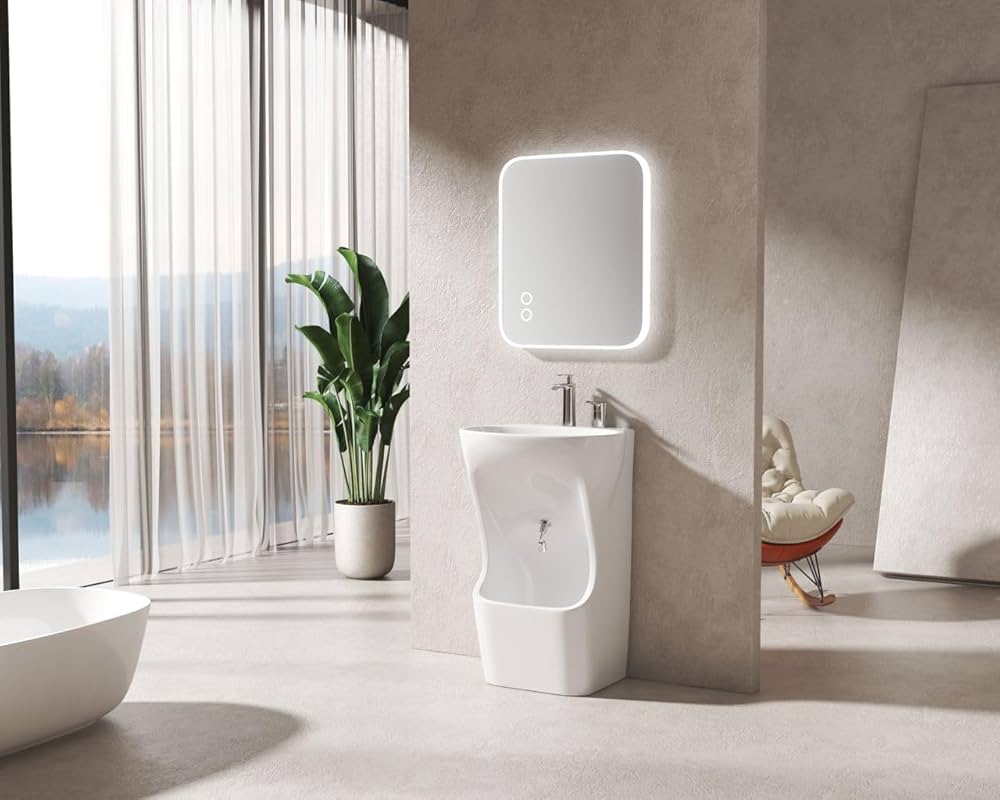
Modern mosque and public facility design is increasingly focused on improving comfort, efficiency, and accessibility for worshippers. Among the most important yet often overlooked elements is the ablution area, where users perform wudu before prayer. As mosque attendance grows globally, the quality of this space has a direct impact on the overall worship experience.
In response to rising expectations, architects and manufacturers are rethinking how these areas are designed and operated. A key development in this evolution is the modern Ablution Wash Basin, which is now engineered not only for functionality but also for improved user experience, hygiene, and flow efficiency.
The Importance of User Experience in Ablution Areas
User experience in ablution spaces is about more than convenience. It affects how smoothly worshippers can prepare for prayer, especially during peak times when large crowds are present.
Poorly designed facilities often lead to long queues, discomfort, and inefficient movement, which can disrupt the spiritual preparation process. Improving user experience ensures that worshippers can perform ablution with ease, comfort, and minimal delay.
Key user experience priorities include:
- Smooth and efficient user flow
- Comfortable and accessible design
- Reduced waiting times during peak hours
- Clean and well-organized environments
These elements are essential for modern mosque infrastructure.
Ergonomic Design for Comfort and Accessibility
Ergonomics plays a central role in enhancing user experience in ablution wash basin design. Proper height, spacing, and structure help reduce physical strain and improve usability for people of all ages.
Modern systems are designed to accommodate elderly users, children, and individuals with mobility challenges, ensuring inclusivity in public worship spaces.
Key ergonomic improvements include:
- Optimized basin height for natural posture
- Easy reach water outlets for all users
- Adequate spacing between washing stations
- Non-slip flooring for safety and stability
These improvements make ablution more comfortable and accessible for everyone.
Efficient User Flow and Reduced Congestion
One of the biggest challenges in ablution areas is managing crowd flow during peak prayer times. Without proper design, congestion can lead to delays and discomfort.
Modern ablution wash basin systems are designed to support structured movement patterns that reduce bottlenecks and improve efficiency.
Flow optimization features include:
- Linear or multi-row basin arrangements
- Clearly defined entry and exit pathways
- Sequential washing station layouts
- Reduced cross-traffic between users
These design strategies ensure smoother and faster user movement.
Hygiene and Cleanliness Enhancements
Hygiene is a critical factor in user satisfaction within ablution areas. Since multiple users share the same facilities, cleanliness directly affects comfort and safety.
Modern basin designs use smooth, non-porous materials and efficient drainage systems to maintain a clean environment with minimal effort.
Hygiene benefits include:
- Easy-to-clean seamless surfaces
- Reduced water pooling and splashback
- Lower risk of bacterial growth
- Improved drainage efficiency
These features contribute to a safer and more pleasant user experience.
Water Efficiency and Environmental Comfort
Water usage is a key part of ablution, and inefficient systems can lead to waste and discomfort. Modern designs focus on controlled water flow that balances usability with sustainability.
Improved water management also helps maintain a cleaner environment around the basin area, reducing splashing and excess moisture.
Key improvements include:
- Controlled water flow systems
- Splash-reduction basin structures
- Efficient drainage design
- Reduced water wastage
These enhancements support both environmental responsibility and user comfort.
Material Innovation for Better Experience
Material selection has a direct impact on both hygiene and user satisfaction. Modern solid surface materials are widely used in ablution wash basin systems due to their durability and smooth finish.
These materials enhance the overall experience by making the surface more pleasant to use and easier to maintain.
Material advantages include:
- Smooth and seamless surfaces
- High resistance to stains and moisture
- Long-term durability under heavy use
- Easy maintenance and cleaning
This ensures a consistently high-quality user experience over time.
Accessibility and Inclusive Design
Modern ablution facilities are designed to be inclusive, ensuring that all users can perform wudu comfortably regardless of age or physical ability.
Inclusive design principles improve accessibility and create a more welcoming environment for all worshippers.
Accessibility features include:
- Wider spacing for wheelchair users
- Support-friendly structure design
- Easy access to water controls
- Safe, slip-resistant flooring
These features ensure equal usability for all individuals.
Global Demand for Improved Ablution Facilities
As mosque construction expands globally, particularly in regions such as the Middle East, Southeast Asia, and Africa, there is increasing demand for better-designed ablution facilities. Developers are focusing on user experience as a key factor in modern mosque infrastructure.
This trend creates strong opportunities for manufacturers and exporters of advanced Ablution Wash Basin systems.
Market growth strategies include:
- SEO-focused marketing targeting mosque design and user experience improvements
- Digital campaigns aimed at architects and developers
- Participation in international construction and Islamic architecture exhibitions
- Partnerships with global distributors and project contractors
Improving user experience has become a major competitive advantage in this market.
Conclusion
User experience is now a central focus in modern Ablution Wash Basin design, influencing everything from ergonomics and hygiene to flow efficiency and accessibility. Well-designed systems improve comfort, reduce congestion, and enhance the overall spiritual preparation process for worshippers.
As global demand for modern mosque infrastructure continues to rise, user-centered design will remain a key factor in shaping future ablution facilities. Manufacturers and exporters who prioritize comfort, efficiency, and innovation are well positioned to succeed in this growing international market.


