


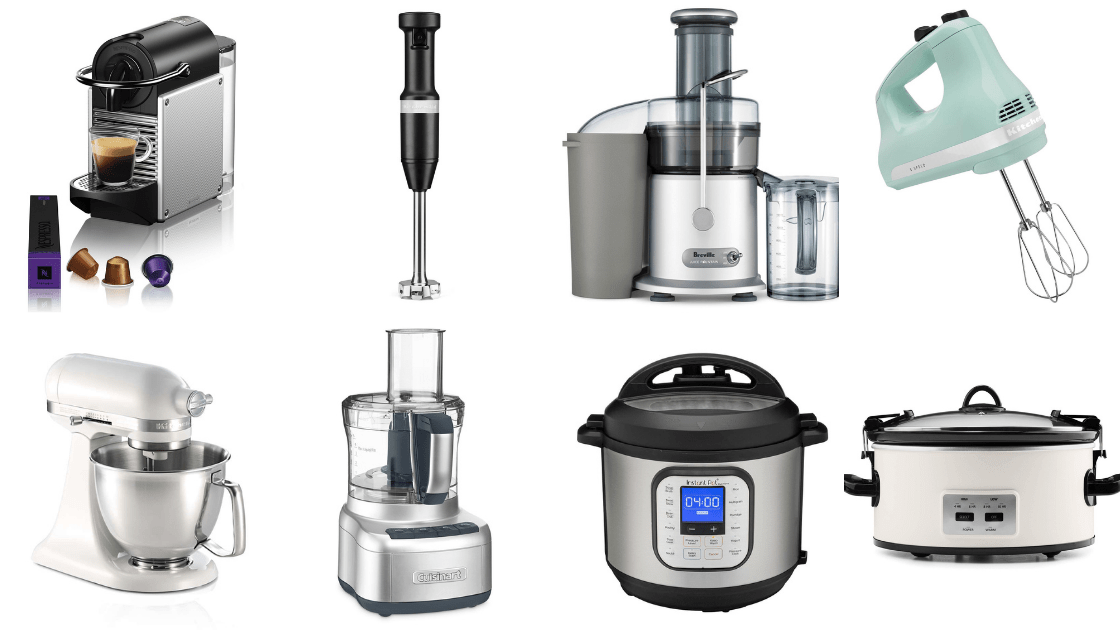
The global home appliance industry has become highly competitive, with brands constantly looking for ways to differentiate themselves in the market. One of the most effective strategies is leveraging OEM (Original Equipment Manufacturer) and private label solutions. These approaches allow businesses to launch customized products without investing heavily in manufacturing infrastructure.
In this evolving landscape, a professional kitchen appliance supplier plays a key role in helping brands develop, produce, and scale tailored product lines that meet specific market demands. From design customization to packaging and branding, suppliers offer end-to-end solutions that support business growth.
Understanding OEM and Private Label Models
OEM and private label manufacturing are two widely used strategies in the kitchen appliance industry. While they are often used interchangeably, they serve slightly different purposes.
OEM solutions involve:
- Manufacturing products based on client specifications
- Custom engineering and product development
- Brand-specific design modifications
- Technical adjustments for performance requirements
Private label solutions focus on:
- Branding ready-made products under a company’s name
- Packaging customization
- Minor design or feature adjustments
- Faster market entry with lower development costs
Both models help businesses expand their product offerings without building manufacturing facilities.
Benefits of OEM Kitchen Appliance Solutions
OEM manufacturing is ideal for businesses that want unique, highly customized products. It allows brands to differentiate themselves in a crowded marketplace.
Key benefits include:
- Full control over product design
- Ability to create exclusive product lines
- Higher brand recognition through uniqueness
- Flexibility in features and functionality
- Long-term scalability for product expansion
OEM solutions are often preferred by established brands looking to strengthen their market position.
Advantages of Private Label Products
Private label solutions offer a faster and more cost-effective way to enter the kitchen appliance market. Businesses can quickly launch products under their own brand name without extensive development cycles.
Key advantages include:
- Lower upfront investment
- Faster time to market
- Reduced product development complexity
- Access to tested and proven designs
- Easier inventory management
This model is especially popular among startups and e-commerce sellers.
Customization Options Offered by Suppliers
Modern kitchen appliance suppliers provide a wide range of customization options to meet diverse brand requirements. These options help businesses create distinctive products that stand out in the marketplace.
Common customization features include:
- Product color and finish variations
- Logo and branding integration
- Packaging design and labeling
- Feature adjustments (e.g., power, capacity, modes)
- User interface customization
These enhancements allow brands to align products with their identity and target audience.
Product Development and Engineering Support
A reliable supplier does more than manufacture products; they also support product development and engineering. This ensures that appliances meet performance, safety, and market expectations.
Development support often includes:
- Prototype creation and testing
- Technical design consultation
- Performance optimization
- Compliance with international standards
- Material selection guidance
Strong engineering support helps reduce product risks and improve overall quality.
Quality Control in OEM Manufacturing
Quality assurance is critical in OEM and private label production. Since products are sold under a client’s brand name, maintaining consistent quality is essential for reputation and customer trust.
Quality control processes typically include:
- Raw material inspection
- Production line monitoring
- Functional testing of finished products
- Safety compliance checks
- Packaging inspection before shipment
Strict quality standards help ensure product reliability and reduce return rates.
Branding and Market Positioning
Private label and OEM solutions allow businesses to build strong brand identities in the kitchen appliance market. Custom branding helps companies differentiate their products from competitors.
Branding opportunities include:
- Unique packaging design
- Logo placement on appliances
- Custom instruction manuals
- Branded digital interfaces
- Market-specific product positioning
Strong branding increases customer recognition and loyalty over time.
Supply Chain and Production Scalability
One of the biggest advantages of working with an experienced kitchen appliance supplier is the ability to scale production efficiently. Suppliers can adjust manufacturing capacity based on demand.
Scalability benefits include:
- Flexible order quantities
- Fast production ramp-up
- Efficient inventory management
- Global shipping capabilities
- Reduced production bottlenecks
This ensures businesses can grow without supply chain limitations.
Market Trends Driving OEM and Private Label Growth
Several global trends are increasing demand for OEM and private label kitchen appliances.
Key trends include:
- Growth of e-commerce brands
- Rising demand for affordable appliances
- Increased product customization expectations
- Expansion of global retail chains
- Preference for niche and specialized brands
These trends are creating more opportunities for businesses to enter the appliance market.
Choosing the Right Supplier for OEM Success
Selecting the right supplier is crucial for successful OEM and private label operations. Businesses must evaluate suppliers carefully before forming partnerships.
Important selection factors include:
- Manufacturing experience and expertise
- Product range and customization capabilities
- Quality control systems
- Production capacity and scalability
- Communication and support efficiency
A strong supplier partnership ensures long-term business success and product consistency.
Conclusion
OEM and private label solutions have transformed the kitchen appliance industry by enabling businesses to create customized, brand-focused product lines without heavy manufacturing investment. These models offer flexibility, speed, and scalability, making them ideal for both new and established brands.
A reliable kitchen appliance supplier plays a central role in this process by providing design support, manufacturing expertise, and quality assurance. As global demand for personalized products continues to grow, OEM and private label strategies will remain essential for success in the competitive kitchen appliance market.


