


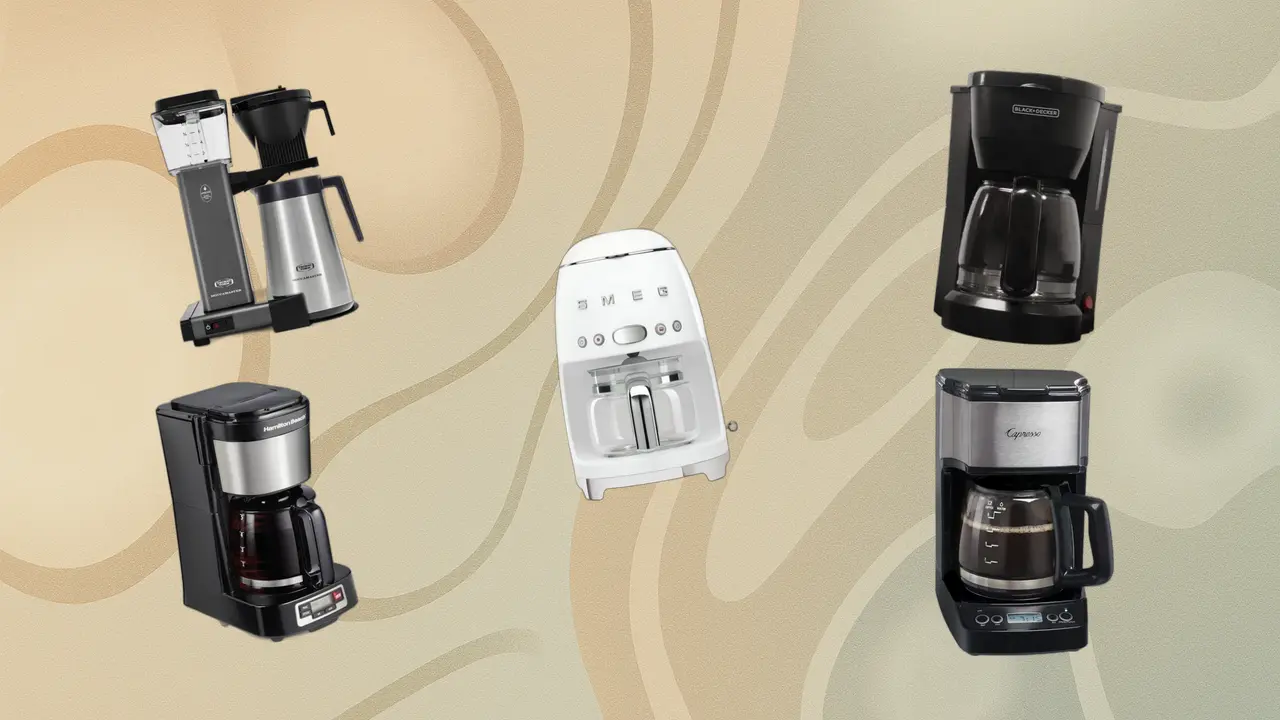
Home and kitchen environments have changed significantly over the past decade, largely driven by evolving consumer lifestyles, urban living spaces, and advancements in consumer technology. Small appliances are no longer just functional tools; they are now central elements in modern home design and daily routines. As a result, manufacturers are increasingly shaping how people cook, clean, and organize their living spaces.
In this transformation, small appliance brands play a key role in defining trends that influence both product design and consumer behavior. Through innovation, aesthetics, and functionality, these brands help determine how modern households operate and what features consumers expect from everyday appliances.
The Shift Toward Modern Home Living
One of the most noticeable changes in recent years is the shift toward compact, efficient, and multifunctional home appliances. Urbanization and smaller living spaces have encouraged consumers to prioritize practicality without sacrificing design.
This shift has led to:
- Increased demand for space-saving appliances
- Greater focus on multifunctional devices
- Preference for minimalist and modern aesthetics
- Higher expectations for convenience and automation
Small appliances have become essential in creating efficient and organized living environments.
Kitchen Trends Driven by Appliance Innovation
The kitchen is one of the most influential areas where appliance brands shape consumer behavior. Modern kitchen trends are heavily influenced by new technologies and design improvements introduced by manufacturers.
Popular trends include:
- Smart cooking appliances with automated settings
- Air fryers and health-focused cooking devices
- Compact kitchen gadgets for small spaces
- Energy-efficient electric cookware
These innovations make cooking faster, healthier, and more accessible, especially for busy households and urban consumers.
Design Trends in Small Appliances
Aesthetic design has become a major factor in appliance selection. Consumers increasingly view appliances as part of their interior décor rather than just functional tools.
Key design trends include:
- Sleek, minimalist product styling
- Neutral and pastel color palettes
- Compact and ergonomic structures
- Seamless integration with modern interiors
Brands that focus on design innovation help shape how kitchens and homes visually evolve over time.
Influence on Smart Home Integration
Smart home technology is another major trend influenced by appliance manufacturers. As connectivity becomes more common, small appliances are being integrated into broader smart home ecosystems.
Examples include:
- Wi-Fi-enabled kitchen devices
- App-controlled cooking and cleaning appliances
- Voice-activated operation systems
- Sensor-based automation for efficiency
These features allow users to control appliances remotely and improve overall household efficiency.
Health and Lifestyle Trends in Appliances
Modern consumers are increasingly focused on health, wellness, and sustainable living. Small appliance brands respond to these priorities by developing products that support healthier lifestyles.
Common health-driven innovations include:
- Oil-free cooking appliances such as air fryers
- Water filtration and purification devices
- Air purifiers for improved indoor air quality
- Precision grooming tools for personal care
These products reflect a growing awareness of health and environmental responsibility in everyday life.
Sustainability and Energy Efficiency Trends
Environmental awareness has also influenced how appliances are designed and manufactured. Brands are now prioritizing energy efficiency and sustainable materials in response to global environmental concerns.
Sustainability trends include:
- Low-energy consumption appliances
- Eco-friendly packaging materials
- Durable designs that reduce waste
- Recyclable components and materials
These efforts not only reduce environmental impact but also appeal to environmentally conscious consumers.
How Brands Shape Consumer Expectations
Small appliance brands do more than respond to trends—they actively shape them. Through continuous innovation and marketing, they influence what consumers expect from modern household devices.
This includes:
- Faster performance and improved efficiency standards
- Increased demand for smart and connected features
- Higher expectations for design and aesthetics
- Preference for compact and multifunctional solutions
As a result, consumer behavior evolves alongside product development.
The Role of Innovation in Market Trends
Innovation remains the driving force behind changing home and kitchen trends. Brands that invest in research and development often set new standards that competitors follow.
Key innovation areas include:
- Advanced heating and cooling technologies
- Automation and artificial intelligence integration
- Improved user interface design
- Multi-purpose appliance development
These advancements continue to redefine how appliances are used in everyday life.
Conclusion
Small appliance brands have a significant influence on modern home and kitchen trends. Through innovation, design, and technological advancement, they shape how consumers interact with their living spaces. From smart kitchens to energy-efficient solutions, these brands continue to redefine convenience, style, and functionality in households around the world.


