


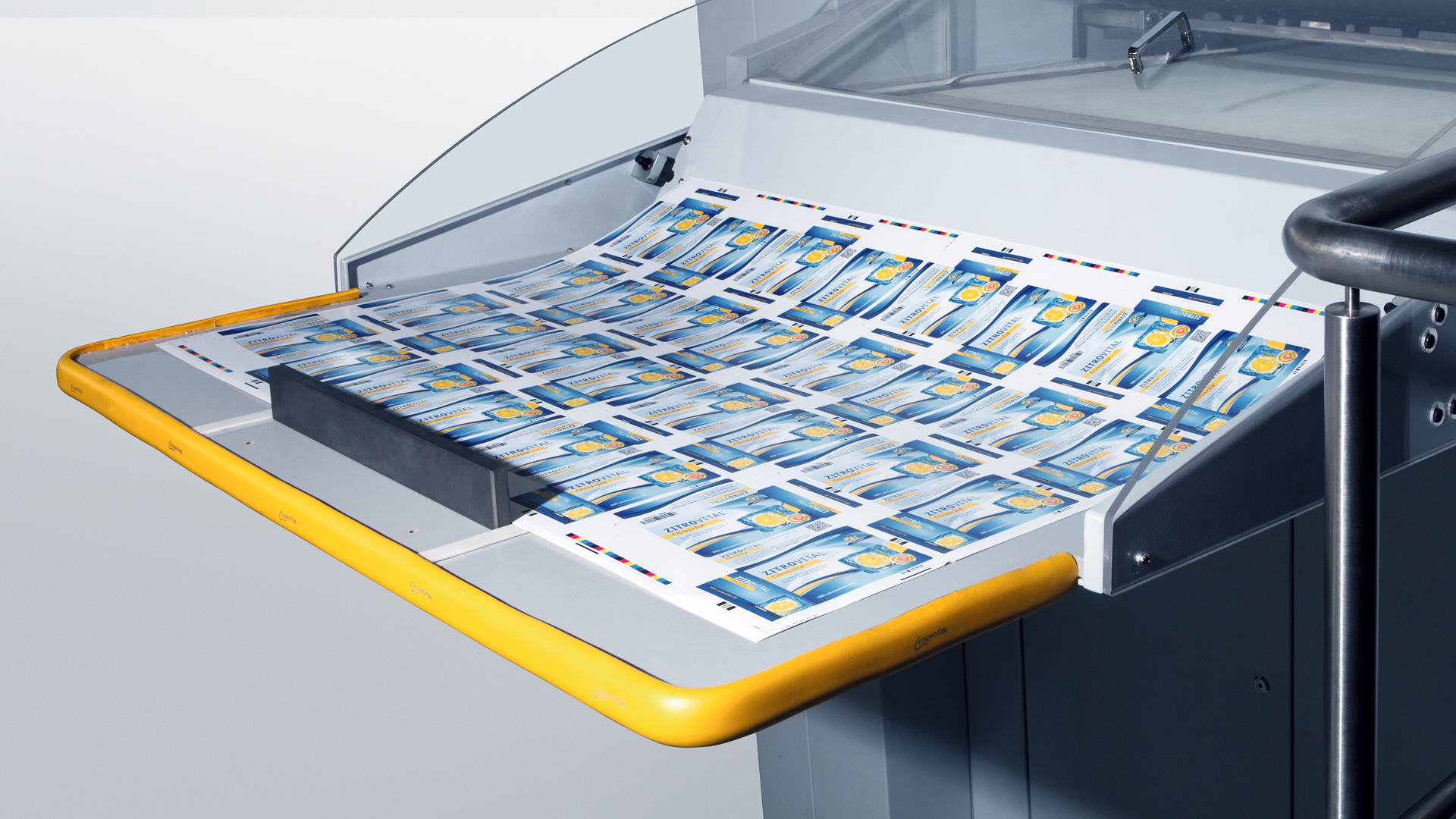
When precision matters, the right equipment can make all the difference. In packaging, printing, and converting industries, even a small cutting error can lead to wasted materials, production delays, and higher costs.
That is why many manufacturers rely on a flatbed die cutter to produce clean, accurate cuts across a wide range of materials. Whether you create folding cartons, corrugated boxes, labels, or specialty packaging, understanding how this technology works can help you make smarter production decisions.
What Is a Flatbed Die Cutter?
A flatbed die cutter is a machine designed to cut, crease, emboss, and shape materials using a custom-made die mounted on a flat surface. Unlike rotary die cutting systems that use cylindrical dies, flatbed machines apply pressure vertically to achieve precise cuts and intricate designs.
These machines are commonly used in:
- Packaging production
- Commercial printing
- Carton manufacturing
- Corrugated box production
- Display manufacturing
- Label and tag creation
Their ability to handle complex designs and thicker materials makes them a preferred choice for many manufacturers.
How Does a Flatbed Die Cutting Machine Work?
The process is relatively straightforward but highly effective.
Step 1: Die Preparation
A custom steel-rule die is created according to the desired design. This die contains cutting and creasing rules positioned to match the final product layout.
Step 2: Material Feeding
Sheets of paperboard, corrugated board, cardstock, or other materials are fed into the machine.
Step 3: Pressing Action
The die presses against the material under significant pressure. This action cuts, creases, perforates, or embosses the sheet.
Step 4: Finished Output
The processed sheets exit the machine ready for folding, gluing, packaging, or additional finishing operations.
This process allows manufacturers to maintain consistency even during large production runs.
Key Advantages of Flatbed Die Cutting
Many businesses continue to invest in flatbed technology because of its flexibility and accuracy.
Exceptional Precision
Flatbed systems are known for producing highly detailed cuts. Complex packaging designs, windows, and specialty shapes can be created with excellent accuracy.
Material Versatility
These machines can process:
- Corrugated board
- Folding carton materials
- Cardstock
- Plastic sheets
- Foam materials
- Specialty packaging substrates
This versatility helps businesses serve multiple industries using a single production line.
Strong Creasing Performance
Packaging often requires both cutting and creasing. Flatbed machines perform both operations simultaneously, improving efficiency while ensuring accurate folds.
Suitable for Short and Medium Runs
For projects involving frequent design changes, flatbed die cutting can be more economical than other methods because tooling adjustments are relatively straightforward.
Flatbed Die Cutter vs Rotary Die Cutter
Many buyers compare flatbed and rotary die cutting before investing in equipment.
Flatbed Die Cutter
Pros:
- High cutting precision
- Excellent for intricate designs
- Handles thicker materials
- Better for complex packaging applications
Cons:
- Slower production speed compared to rotary systems
- May not be ideal for extremely high-volume jobs
Rotary Die Cutter
Pros:
- Faster production speeds
- Ideal for long production runs
- Continuous operation
Cons:
- Less effective for highly detailed designs
- Higher tooling costs in some applications
The right choice depends on production volume, material type, and design complexity.
Industries That Use Flatbed Die Cutting Machines
Flatbed die cutting technology supports a wide variety of industries.
Packaging Industry
This is the largest application area. Manufacturers use die cutting machines to create:
- Folding cartons
- Product packaging
- Corrugated shipping boxes
- Retail displays
Printing Industry
Commercial printers use die cutting to produce:
- Brochures with custom shapes
- Promotional materials
- Presentation folders
- Greeting cards
Retail and Marketing
Brands often require eye-catching packaging and point-of-sale displays. Flatbed cutting allows unique shapes that attract customer attention.
Electronics and Industrial Manufacturing
Specialized die-cut components such as insulation layers, protective inserts, and gaskets are often produced using flatbed equipment.
Features to Consider Before Buying a Flatbed Die Cutter
Investing in production equipment requires careful evaluation.
Sheet Size Capacity
Consider the maximum sheet size your operation requires. Larger formats offer greater flexibility for packaging applications.
Production Speed
Higher throughput can improve productivity, especially for growing businesses.
Automation Level
Modern die cutting machines often include:
- Automatic feeding systems
- Waste stripping units
- Sheet delivery systems
- Digital monitoring controls
Automation reduces labor requirements and improves consistency.
Material Compatibility
Always verify that the machine supports the substrates you plan to process.
Maintenance Requirements
Reliable equipment should provide easy access for maintenance and routine servicing.
A Real-World Example
Consider a packaging company producing custom retail boxes for multiple brands.
Previously, workers manually adjusted cutting processes for every design change. This led to longer setup times and occasional inconsistencies.
After implementing an automated flatbed die cutting system, the company experienced:
- Faster job changeovers
- Improved cutting accuracy
- Reduced material waste
- Increased customer satisfaction
The investment not only improved production efficiency but also allowed the business to accept more complex packaging projects.
Common Challenges and How to Avoid Them
Even advanced equipment requires proper operation.
Die Wear
Over time, cutting rules become dull.
Solution: Schedule regular inspections and replace worn dies when necessary.
Material Misalignment
Improper feeding can cause cutting inaccuracies.
Solution: Use automated registration systems and perform routine calibration checks.
Excessive Waste
Poor nesting layouts may increase material consumption.
Solution: Optimize sheet layouts during the design stage to maximize material usage.
Operator Training
Sophisticated machinery requires skilled operation.
Solution: Invest in ongoing staff training and manufacturer-supported education programs.
The Future of Flatbed Die Cutting
Manufacturing technology continues to evolve.
Modern flatbed die cutters increasingly include:
- Smart automation
- Real-time monitoring systems
- Advanced servo controls
- Predictive maintenance capabilities
- Integration with digital workflows
These advancements help businesses improve productivity while maintaining high-quality standards.
As packaging demands become more complex and customization becomes more common, precision cutting equipment will continue playing an important role in production environments.
Conclusion
A flatbed die cutter remains one of the most valuable investments for businesses involved in packaging, printing, and converting operations. Its ability to deliver precise cuts, consistent creasing, and flexibility across multiple materials makes it an essential production tool.
Whether you produce folding cartons, corrugated packaging, retail displays, or specialty printed products, choosing the right die cutting machine can improve efficiency, reduce waste, and support long-term growth. Before making a purchase, evaluate your production requirements, material types, and future business goals to ensure the equipment aligns with your operational needs.
The companies that succeed in modern manufacturing are often those that combine quality craftsmanship with reliable technology—and flatbed die cutting continues to be a key part of that equation.


