


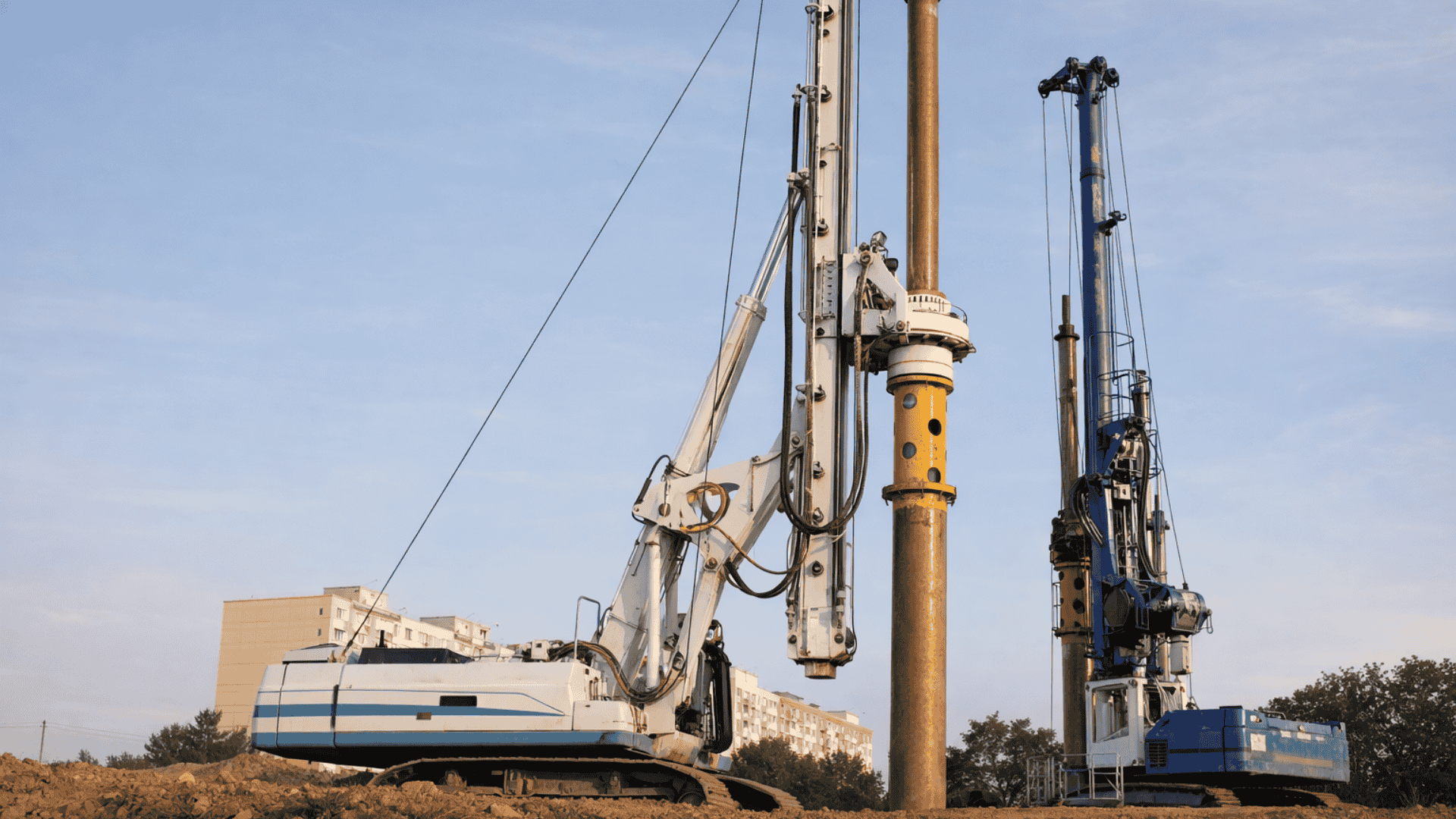
In modern construction, foundation engineering has evolved significantly with the use of advanced machinery designed to improve accuracy, speed, and safety. As infrastructure projects grow in scale and complexity, contractors increasingly rely on high-performance equipment to ensure stable and durable foundations. These machines play a critical role in reducing construction risks and improving overall project efficiency.
A pile drilling rig is a specialized piece of equipment used for creating deep foundation boreholes in various soil conditions, and a pile drilling rig is widely adopted in civil and infrastructure projects because of its ability to deliver precise drilling performance, high load-bearing capacity support, and adaptability across challenging ground environments where traditional methods often fail.
Understanding the Role of Modern Pile Drilling Rigs
Modern pile drilling rigs are designed to drill deep into the ground to create spaces for reinforced concrete or steel piles. These piles transfer structural loads from buildings and infrastructure into stable underground layers, ensuring long-term stability.
Unlike older methods that rely on impact force, modern rigs use controlled rotary or hydraulic drilling systems. This reduces vibration, improves precision, and minimizes damage to surrounding structures. As a result, they are widely used in urban construction, bridges, highways, and industrial developments.
The integration of automation and hydraulic control systems has further enhanced their performance, allowing operators to achieve greater accuracy with less manual effort.
Advanced Hydraulic and Control Systems
One of the most important features of modern pile drilling rigs is their advanced hydraulic system. These systems provide powerful torque and smooth rotational control, allowing the machine to penetrate different soil types efficiently.
Hydraulic systems also improve energy transfer, reducing mechanical losses and increasing overall drilling efficiency. In addition, modern rigs are equipped with intelligent control panels that allow operators to adjust speed, pressure, and depth in real time.
This level of control ensures consistent performance even in challenging soil conditions such as clay, sand, or mixed rock layers.
High Precision and Deep Drilling Capability
Precision is a defining feature of modern drilling equipment. Accurate alignment and controlled depth are essential for ensuring that foundation piles meet engineering specifications.
Modern rigs use advanced measurement systems and digital sensors to maintain vertical accuracy during drilling. This reduces the risk of structural imbalance and ensures that load distribution remains uniform across the foundation.
Deep drilling capability also allows construction teams to reach stable soil or rock layers, which is essential for high-rise buildings and large infrastructure projects.
Improved Stability and Reduced Vibration
Traditional piling methods often generate high levels of vibration, which can affect nearby structures. Modern pile drilling rigs significantly reduce this issue by using rotary drilling instead of impact force.
This makes them ideal for urban environments where construction takes place near existing buildings, roads, or underground utilities. Reduced vibration also improves operator safety and extends the lifespan of surrounding infrastructure.
Versatility Across Different Soil Conditions
One of the key advantages of modern drilling rigs is their adaptability. Construction sites often feature unpredictable soil conditions, including loose sand, hard clay, gravel, or rock layers.
Modern rigs can be adjusted with different drilling tools and techniques to handle these variations effectively. This flexibility ensures consistent performance across diverse geological environments without requiring multiple types of equipment.
Automation and Smart Technology Integration
Technological advancements have transformed pile drilling rigs into highly automated systems. Many modern machines are equipped with digital monitoring, GPS positioning, and real-time data tracking.
These features allow engineers to monitor drilling depth, torque levels, and soil resistance during operation. Automation reduces human error and improves overall construction accuracy.
Smart systems also help in predictive maintenance by identifying potential issues before they lead to equipment failure, reducing downtime and repair costs.
Enhanced Safety Features
Safety is a critical concern in foundation engineering, and modern drilling rigs are designed with multiple safety systems. These include emergency shut-off controls, overload protection, and stability monitoring systems.
Operators are also assisted by ergonomic control cabins that provide better visibility and reduce fatigue during long working hours. These features contribute to safer and more efficient construction site operations.
Key Applications in Construction Projects
Modern pile drilling rigs are widely used across various sectors due to their efficiency and reliability.
Common applications include:
- High-rise residential and commercial buildings
- Bridge and highway foundations
- Railway infrastructure projects
- Airports and industrial facilities
- Marine and coastal engineering projects
Each of these applications requires strong and stable foundations capable of handling heavy structural loads over long periods.
Conclusion
Modern pile drilling rigs have become essential tools in construction engineering due to their precision, adaptability, and advanced technological features. From hydraulic control systems to automated monitoring and reduced vibration performance, these machines significantly improve construction efficiency and safety. As infrastructure demands continue to grow, the role of a pile drilling rig will remain central in delivering strong, reliable, and long-lasting foundation solutions for complex engineering projects.


