


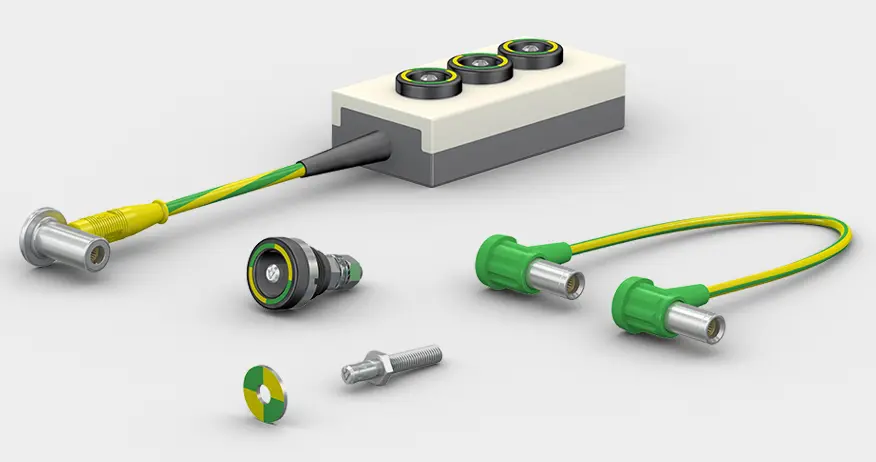
Medical electrical connectors are critical components in medical devices, ensuring reliable transmission of power and signals. Given their essential role in patient care, these connectors must function flawlessly under various conditions. Any failure in connectivity can compromise device performance, potentially impacting patient safety and treatment outcomes. Reliability testing is therefore a fundamental part of the design and manufacturing process for medical electrical connectors, ensuring they meet rigorous standards for performance, safety, and durability.
High-quality medical electrical connectors undergo extensive reliability testing before being deployed in medical devices. These tests evaluate the connectors’ ability to withstand mechanical stress, electrical load, environmental factors, and repeated use. Medical connectors are used in critical applications such as patient monitoring systems, imaging equipment, infusion pumps, and surgical tools, where consistent performance is non-negotiable. Reliability testing helps ensure that connectors perform safely and effectively throughout the life of the device.
Mechanical Testing
Mechanical testing is a crucial aspect of reliability evaluation for medical electrical connectors. These connectors are frequently mated and unmated, sometimes hundreds or thousands of times over their lifespan. Tests such as insertion and withdrawal force measurements, durability cycles, and vibration resistance are conducted to ensure the connectors maintain a secure and consistent connection. Locking mechanisms, housings, and contact pins are evaluated for wear and deformation to prevent accidental disconnections, which could be critical in surgical or monitoring applications.
Durability testing also includes examining the connectors under simulated operational stresses, such as repeated bending, twisting, or pulling of cables. These tests mimic real-world conditions to verify that the connector will maintain electrical and mechanical integrity over time.
Electrical Testing
Electrical testing evaluates the connectors’ ability to maintain consistent conductivity and signal integrity. Tests typically include contact resistance measurements, voltage and current handling, and insulation resistance testing. High-performance medical connectors must minimize signal loss and maintain low contact resistance, which is particularly important in sensitive diagnostic equipment like electrocardiograms (ECG), imaging machines, and ventilators.
Some tests also simulate transient electrical conditions, such as surges or spikes, to ensure connectors can handle unexpected fluctuations without failure. Additionally, high-frequency signal testing is performed on connectors used for data-intensive applications, ensuring that electromagnetic interference (EMI) does not compromise device performance.
Environmental Testing
Medical devices often operate in environments that subject connectors to temperature extremes, moisture, chemical exposure, and repeated sterilization cycles. Environmental testing is conducted to verify that medical electrical connectors can withstand these conditions without degradation. Temperature cycling tests assess performance across a wide temperature range, while humidity and condensation tests evaluate resistance to moisture ingress. Chemical resistance testing ensures that connectors maintain integrity when exposed to cleaning agents, disinfectants, or bodily fluids.
Sterilization resistance is particularly important for connectors used in surgical instruments or patient-contact devices. Autoclave and chemical sterilization tests confirm that the connectors can survive repeated sterilization cycles without mechanical or electrical failure.
Compliance and Standards Verification
Reliability testing also ensures that connectors meet relevant medical and industry standards. Standards such as ISO 13485 for quality management and IEC 60601 for electrical safety provide guidelines for designing connectors suitable for medical applications. Testing for compliance involves verifying insulation, mechanical strength, electrical performance, and safety features. Meeting these standards ensures that the connectors can be safely integrated into medical devices and approved by regulatory authorities.
Lifecycle and Long-Term Testing
In addition to short-term mechanical, electrical, and environmental tests, long-term lifecycle testing is performed to simulate years of use. These tests replicate repeated mating cycles, continuous electrical load, and exposure to environmental factors to evaluate overall connector lifespan. Lifecycle testing is critical in identifying potential failure points and ensuring that medical devices remain reliable throughout their operational life.
Importance of Reliability Testing
Reliability testing of medical electrical connectors is essential for patient safety, device performance, and regulatory compliance. Connectors that fail prematurely can lead to inaccurate diagnostics, interrupted treatment, or even equipment malfunction during critical procedures. Comprehensive testing minimizes these risks by identifying weaknesses during the design and manufacturing stages, ensuring that only connectors capable of meeting rigorous medical requirements are deployed.
Conclusion
Medical electrical connectors are indispensable components in modern medical devices, and their reliability directly impacts patient safety and device functionality. Mechanical, electrical, environmental, and lifecycle testing ensures that connectors can withstand repeated use, extreme conditions, and rigorous operational demands. By adhering to industry standards and conducting thorough reliability testing, manufacturers can provide connectors that meet the highest levels of safety and performance. Investing in rigorous testing processes ensures that medical connectors support accurate, reliable, and safe operation of medical devices, ultimately contributing to better patient care and device longevity.


