


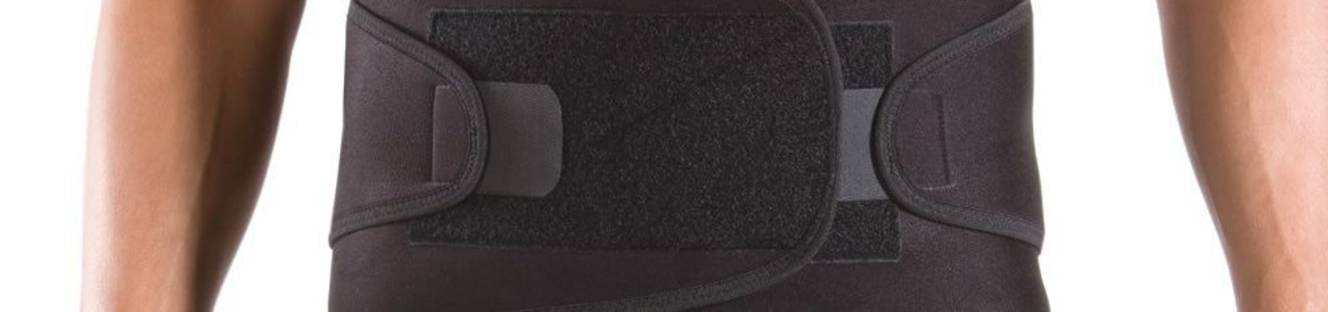
Neoprene support equipment is widely used in fitness, medical rehabilitation, and everyday activities to provide joint stabilization, muscle support, and pain relief. Its combination of flexibility, compression, and heat retention makes it highly effective for injury prevention and recovery. However, to ensure that neoprene supports maintain their effectiveness and durability over time, proper care and maintenance are essential. Neglecting these practices can lead to wear and tear, loss of elasticity, or reduced performance.
Neoprene support products, such as braces, belts, and sleeves, are designed to conform to the body and provide consistent compression. High-quality items, like Neoprene Support, are engineered for durability and long-term use. Maintaining their functionality requires a combination of cleaning, storage, and careful handling. By following best practices, users can extend the life of their neoprene equipment while ensuring maximum comfort and support during use.
Proper Cleaning Practices
Regular cleaning is crucial for maintaining neoprene support equipment. Sweat, dirt, and body oils can accumulate on the surface, causing odors, material degradation, and potential skin irritation. Hand washing with mild soap and lukewarm water is recommended, as harsh detergents or high temperatures can weaken the neoprene fibers. Gently scrubbing with a soft cloth or sponge ensures that the material is thoroughly cleaned without compromising its elasticity.
After washing, the equipment should be rinsed thoroughly to remove any soap residue. Soap left on the surface can cause stiffness and reduce the effectiveness of the support. Avoid wringing or twisting the neoprene, as this can deform its shape. Instead, gently press out excess water and lay the item flat to air dry in a cool, ventilated area away from direct sunlight or heat sources.
Correct Drying and Storage
Proper drying is as important as cleaning. Exposing neoprene support equipment to direct heat, such as radiators or hairdryers, can damage the material and cause it to lose elasticity. Air drying allows the neoprene to retain its shape and flexibility. It is recommended to dry the item flat or hanging it loosely to prevent stretching or warping.
Storage also plays a significant role in the longevity of neoprene supports. Items should be kept in a cool, dry place, away from moisture and sharp objects that could puncture or tear the material. Rolling or folding the support carefully, without creating sharp creases, prevents deformation. Avoid storing the equipment in compressed spaces for extended periods, as prolonged pressure can compromise elasticity.
Regular Inspection for Wear and Tear
Even with proper cleaning and storage, neoprene support equipment should be regularly inspected for signs of wear and tear. Check for fraying edges, weakened seams, stretched areas, or worn fasteners. These issues can reduce the level of compression and stabilization, potentially affecting performance and safety.
Early detection of damage allows users to repair minor issues, such as reattaching Velcro straps or trimming frayed edges, before they worsen. If significant damage is observed, it may be necessary to replace the equipment to ensure consistent support and protection.
Avoiding Common Mistakes
Several common mistakes can shorten the lifespan of neoprene support equipment. Using bleach or harsh cleaning chemicals can degrade the material. Machine washing or drying at high temperatures can cause shrinkage and loss of elasticity. Wearing the support over rough clothing or exposing it to excessive friction can create tears or worn spots. By avoiding these practices, users can maintain both the structural integrity and the functional benefits of the equipment.
Additionally, over-tightening adjustable straps or closures can strain the neoprene and reduce its flexibility over time. It is important to secure the support snugly but not excessively, allowing for comfort and proper circulation while preserving the material’s integrity.
Complementary Care Practices
To further extend the life of neoprene support equipment, consider complementary practices. Rotating between multiple supports can reduce wear from constant use. Taking breaks from wearing the support when not needed allows the material to rest and retain elasticity. Maintaining overall hygiene, such as wearing clean clothing underneath the support, also helps minimize accumulation of sweat and oils that can degrade neoprene.
Conclusion
Neoprene support equipment provides valuable benefits for joint stability, muscle support, and injury prevention. To ensure long-lasting performance, proper maintenance is essential. Regular cleaning with mild soap, careful drying and storage, inspection for wear and tear, and avoiding common misuse are all crucial practices. By following these guidelines, users can maximize the lifespan of their neoprene supports, maintain optimal comfort, and ensure consistent protection during physical activity, rehabilitation, or daily use. Proper care not only preserves the functionality of the equipment but also enhances safety and effectiveness over time.


