


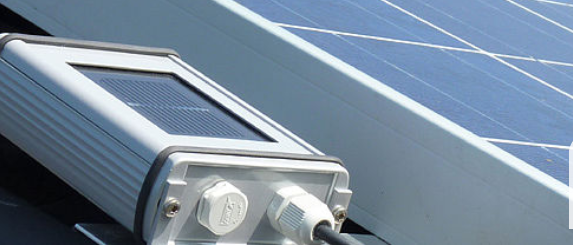
Solar energy has become one of the most viable renewable energy sources, offering a sustainable solution to meet growing electricity demands. Solar panels convert sunlight into electricity, but their efficiency depends heavily on accurate measurement and management of solar radiation. This is where irradiance sensors play a critical role. By monitoring the amount of sunlight that reaches the panels, these sensors provide data that helps optimize energy production and maximize the performance of solar systems.
Irradiance sensors are devices specifically designed to measure solar radiation per unit area, providing essential feedback for solar panel operation. They help operators understand the actual solar energy available, which is crucial for system optimization. The Irradiance Sensor offers accurate and real-time measurements, enabling solar systems to adjust their operation according to varying sunlight conditions. This capability ensures that solar panels work at peak efficiency throughout the day, even as weather and environmental conditions change.
Real-Time Performance Monitoring
One of the most direct ways irradiance sensors improve solar panel efficiency is through real-time performance monitoring. Solar panels may face issues like dirt accumulation, shading, or equipment faults that reduce energy output. By continuously measuring the sunlight intensity that hits the panels, irradiance sensors provide the data needed to detect anomalies or underperformance. This allows maintenance teams to take corrective actions promptly, ensuring that panels consistently operate at their optimal capacity. Regular monitoring also helps in long-term performance tracking, making it easier to plan preventive maintenance and reduce energy losses.
Optimizing Solar Panel Orientation
The orientation and tilt of solar panels significantly affect the amount of energy they generate. Irradiance sensors provide critical information about the angle and intensity of sunlight, allowing engineers to determine the best positioning for maximum energy absorption. For solar tracking systems, which adjust panel orientation dynamically, irradiance sensors supply real-time data that guides the movement of panels throughout the day. Optimized orientation enhances the efficiency of solar panels by ensuring they receive the highest possible sunlight exposure, which is especially beneficial in large-scale solar farms.
Supporting Solar Energy Forecasting
Accurate solar energy forecasting is essential for efficient grid management and energy planning. By using data from irradiance sensors, solar operators can predict energy production for specific time frames, accounting for weather variations and seasonal changes. Forecasting helps balance electricity supply with demand, reducing dependency on backup power sources and improving the overall reliability of solar systems. Moreover, energy providers can use this data to schedule energy storage or distribution, ensuring that generated solar power is utilized effectively and minimizing waste.
Enhancing Energy Conversion Efficiency
Solar panels do not always convert sunlight into electricity with 100% efficiency. Factors such as temperature, shading, and sunlight intensity can affect the conversion rate. Irradiance sensors provide the data needed to adjust operational parameters and mitigate efficiency losses. For example, in photovoltaic systems with multiple panels, sensors help balance energy output by identifying areas with lower irradiance and adjusting the load distribution accordingly. This targeted approach increases the overall energy conversion efficiency of the system.
Integration with Smart Energy Systems
Modern solar energy systems increasingly rely on smart technologies to optimize performance. Irradiance sensors can be integrated with building energy management systems and monitoring platforms to enhance energy efficiency. Real-time solar data allows automated systems to make informed decisions about energy storage, consumption, or distribution. For instance, energy storage devices can be charged when irradiance levels are high and supply stored energy during periods of low sunlight. This integration ensures that solar power is used efficiently, reducing costs and environmental impact.
Research and Development Applications
Irradiance sensors are also valuable tools in research and development. Engineers and scientists use them to test new photovoltaic materials, study environmental effects on solar energy production, and develop advanced solar technologies. Accurate and reliable irradiance measurements are critical for validating experimental results and improving solar panel designs. By understanding how different conditions affect solar energy output, researchers can create more efficient panels and systems that maximize performance in real-world applications.
Long-Term Benefits for Solar Investments
Investing in high-quality irradiance sensors offers long-term benefits for solar energy systems. Consistent monitoring and data analysis help extend the lifespan of solar panels by preventing prolonged underperformance and enabling timely maintenance. Efficient energy production reduces operational costs and increases the return on investment for solar projects. Over time, the ability to optimize panel performance with precise solar data contributes to a more sustainable and cost-effective energy solution.
Conclusion
Irradiance sensors are indispensable for improving solar panel efficiency, providing accurate measurements that guide performance optimization, energy forecasting, and system maintenance. By enabling real-time monitoring, optimized panel orientation, and integration with smart energy systems, these sensors help maximize energy output and reduce operational costs. They also play a critical role in research and development, supporting the creation of more efficient solar technologies. For anyone invested in solar energy, integrating high-quality irradiance sensors into their systems ensures reliability, efficiency, and long-term sustainability.


