


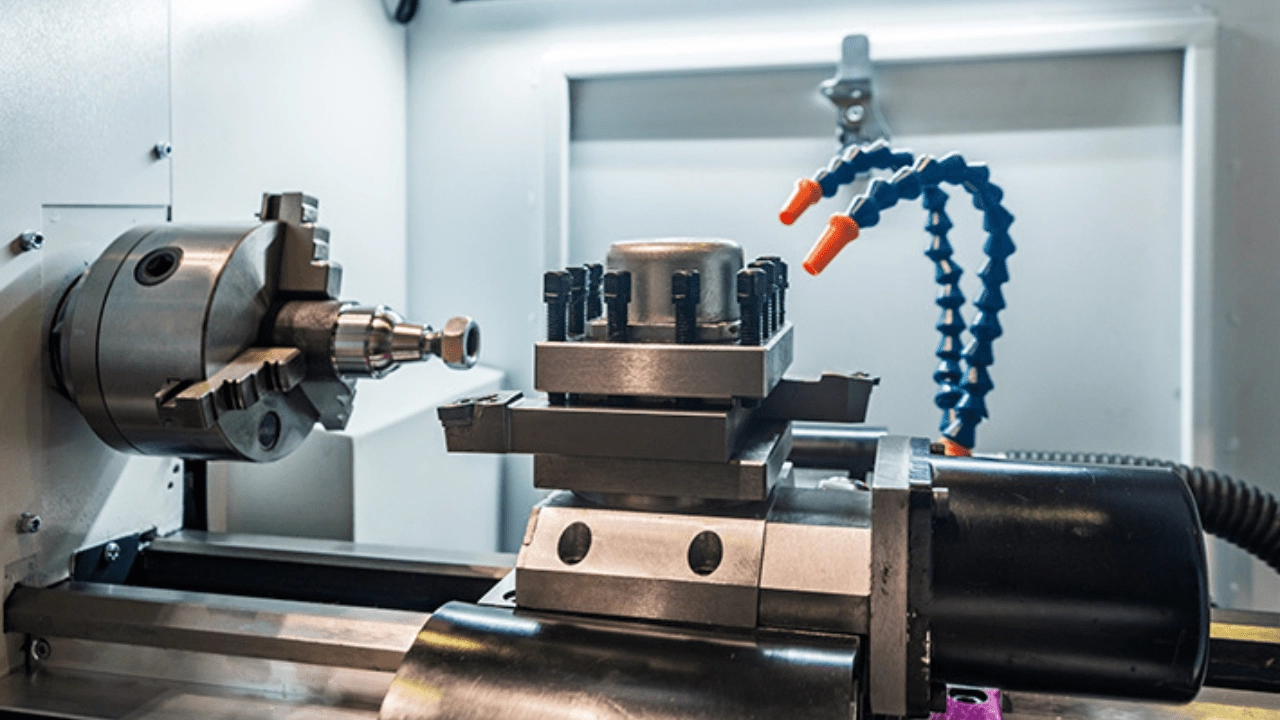
Precision and quality are the cornerstones of modern manufacturing, especially in industries that rely on complex components such as aerospace, automotive, medical devices, and electronics. CNC lathe machines play a critical role in achieving these standards, as they allow manufacturers to produce parts with consistent accuracy and repeatability. However, the ability to maintain high precision and ensure quality does not rely solely on the machines themselves—it also depends on the processes and practices implemented within the CNC lathe factory.
A well-organized CNC Lathe Factory integrates advanced equipment, rigorous quality control measures, and skilled personnel to deliver components that meet strict tolerances. From machine calibration to workflow optimization, each step in the production process is designed to minimize errors and maintain uniformity. By combining technology and structured procedures, CNC lathe factories ensure that every part leaving the facility meets or exceeds customer expectations.
Implementing Rigorous Machine Calibration
Machine calibration is a fundamental step in ensuring high precision. CNC lathe machines must be properly aligned and adjusted to guarantee accurate cutting along the X and Z axes. Factories regularly perform calibration checks using precision instruments such as dial indicators, laser measurement systems, and coordinate measuring machines (CMMs).
This process verifies spindle alignment, tool positioning, and workpiece mounting accuracy, minimizing deviations that could impact product quality. By calibrating machines before production runs and maintaining a scheduled maintenance program, CNC lathe factories reduce the likelihood of errors and ensure repeatable results.
Using High-Quality Components and Tooling
Precision starts with the quality of the machine and its components. Leading CNC lathe factories invest in robust machines equipped with high-grade spindles, ball screws, linear guides, and control systems. These components enhance stability, reduce vibration, and provide consistent performance under demanding conditions.
In addition to machine quality, tooling selection plays a vital role. Sharp, properly maintained cutting tools ensure clean cuts, accurate dimensions, and superior surface finishes. Factories typically implement tool management programs to monitor wear, rotate tools efficiently, and replace or recondition them as needed. This meticulous attention to components and tooling contributes significantly to consistent precision and reduced scrap rates.
Standardizing Production Processes
Consistency in machining operations is achieved through standardized production processes. CNC lathe factories develop detailed process documentation for each type of component, including programming instructions, cutting parameters, and inspection protocols. Operators follow these standardized procedures to ensure that every part is produced in the same manner, regardless of who is operating the machine.
Workflow optimization also reduces the risk of human error and improves efficiency. Factories design production layouts that minimize handling, streamline material flow, and separate critical operations from potential sources of contamination or interference. This organized approach supports both precision and productivity.
Integrating Advanced Quality Control Measures
Quality control is embedded in every stage of production within a CNC lathe factory. Advanced measurement systems such as coordinate measuring machines, laser scanners, and optical comparators are used to inspect components for dimensional accuracy, surface finish, and alignment. Automated in-process inspection tools can detect deviations during machining, allowing corrective actions before defects accumulate.
Statistical process control (SPC) is another method commonly employed. By monitoring process variables and analyzing trends, factories can identify inconsistencies early, reducing waste and ensuring that production remains within defined tolerances. Documenting inspection results also provides traceability, which is essential for industries with strict regulatory requirements.
Skilled Personnel and Training
Even with advanced machines and rigorous processes, skilled personnel are essential for maintaining precision. CNC operators, quality inspectors, and engineers receive specialized training to understand machine capabilities, material properties, and measurement techniques. Continuous education programs keep staff updated on the latest technologies, tools, and industry standards.
Operators are trained to interpret machine feedback, detect anomalies, and implement corrective measures promptly. This combination of human expertise and automated precision ensures that production consistently meets quality standards.
Preventive Maintenance and Machine Monitoring
Routine preventive maintenance is crucial for sustaining high precision over time. CNC lathe factories implement scheduled maintenance programs to lubricate components, replace worn parts, and verify machine alignment. Many factories also utilize smart monitoring systems that track spindle performance, tool condition, and machine health in real time.
By identifying potential issues before they affect production, preventive maintenance reduces downtime, extends machine lifespan, and maintains consistent machining quality.
Conclusion
High precision and quality control in CNC lathe factories are achieved through a combination of advanced machinery, high-quality components, standardized processes, skilled personnel, and rigorous inspection systems. Machine calibration, proper tooling, process standardization, and integrated quality control measures ensure that every part meets stringent tolerances and performance requirements.
Preventive maintenance and real-time monitoring further enhance reliability, minimizing the risk of defects and downtime. By combining technology, expertise, and structured workflows, CNC lathe factories deliver consistent, high-quality components that meet the demands of modern manufacturing industries, ensuring both customer satisfaction and operational efficiency.


