


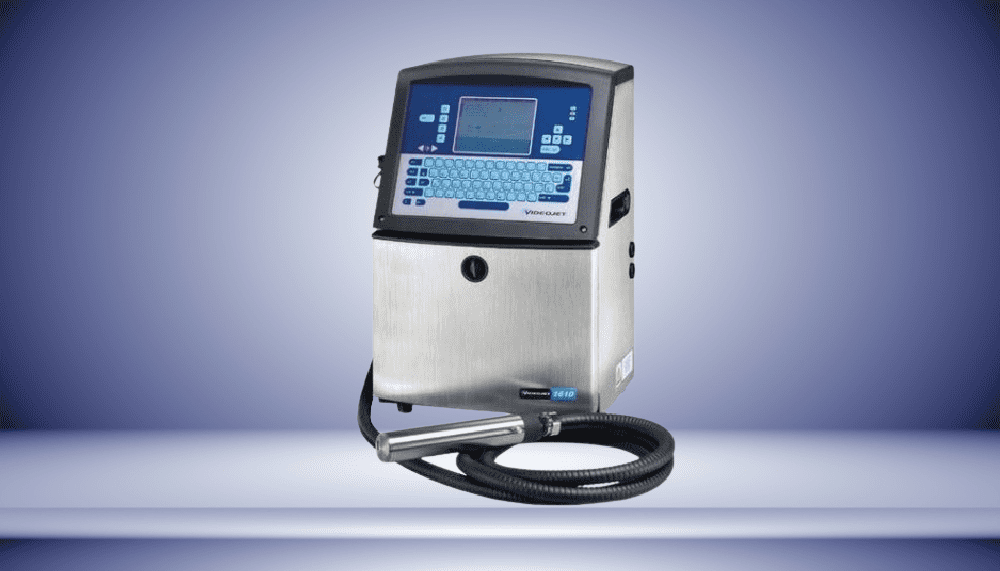
Introduction to Continuous Inkjet Printing
Continuous Inkjet (CIJ) printing technology has become a cornerstone of modern industrial coding and marking. Its ability to print high-speed, non-contact codes on diverse surfaces makes it a preferred choice for industries such as food and beverage, pharmaceuticals, cosmetics, automotive, and electronics. Unlike other printing methods, CIJ printers can print variable data in real time, including batch numbers, expiration dates, barcodes, and logos, without slowing down production lines.
The development and advancement of this technology are driven by leading Continuous Inkjet Printer Manufacturers. These manufacturers play a critical role in ensuring that CIJ printers meet the operational demands of modern production environments. By integrating innovative features and leveraging advanced technologies, they deliver equipment that is efficient, reliable, and capable of supporting high-speed industrial operations.
Core Technologies in CIJ Printers
At the heart of every CIJ printer is a system designed to generate a continuous stream of tiny ink droplets. These droplets are electrically charged and then deflected by electrostatic plates to form precise markings on product surfaces. Unused droplets are recirculated back into the ink reservoir, reducing waste and ensuring consistent performance.
Modern CIJ printers incorporate several technological advancements that enhance their efficiency and versatility. Automated printhead cleaning, clog detection, and real-time diagnostics minimize downtime, allowing printers to operate continuously with minimal intervention. Multi-nozzle configurations enable simultaneous printing of multiple lines, logos, and variable data, while high-speed ink delivery systems ensure rapid and precise droplet formation. These technologies collectively improve reliability, productivity, and print quality on high-speed production lines.
Innovations in Ink Formulations
CIJ ink technology has seen significant innovation over the years, driven by the need for faster drying times, better adhesion, and enhanced durability. Manufacturers have developed inks that perform consistently across various substrates, including plastic, glass, metal, and flexible packaging films. These inks are designed to resist smudging, abrasion, and environmental factors such as moisture and chemicals, making them suitable for demanding industrial conditions.
In addition, many manufacturers are introducing eco-friendly inks with reduced volatile organic compound (VOC) content. These sustainable formulations meet environmental standards while maintaining high-quality printing. By combining advanced ink chemistry with precise printhead technology, Continuous Inkjet Printer Manufacturers provide solutions that ensure both performance and compliance.
Integration with Automated Production Systems
One of the most significant trends in CIJ technology is the integration of printers with automated production lines and smart manufacturing systems. Modern CIJ printers can communicate with enterprise resource planning (ERP) systems, conveyors, and quality control platforms, enabling real-time monitoring, predictive maintenance, and automated code updates.
Artificial intelligence (AI) and machine learning algorithms are increasingly used to optimize printer performance. These smart systems can adjust printing parameters, such as droplet size and ink viscosity, based on substrate type, production speed, and environmental conditions. This capability reduces waste, enhances code accuracy, and ensures consistent output, making CIJ printers a highly adaptable solution for dynamic manufacturing environments.
High-Speed Printing and Flexibility
Continuous Inkjet Printer Manufacturers focus on delivering equipment that supports high-speed production without sacrificing quality. CIJ printers can print on moving products, irregular surfaces, and various packaging formats, providing unmatched versatility compared to other coding methods. Multi-line and multi-character printing capabilities allow complex codes, such as QR codes, barcodes, and graphics, to be applied rapidly and accurately.
Furthermore, the non-contact nature of CIJ printing reduces wear and tear on equipment and allows for marking on delicate or irregularly shaped products. This flexibility makes CIJ printers suitable for a wide range of industries and production scenarios.
Maintenance and Reliability Innovations
Maintaining consistent performance and minimizing downtime are crucial for high-volume production. Continuous Inkjet Printer Manufacturers have introduced features such as automated maintenance cycles, self-cleaning printheads, and advanced diagnostic systems. These innovations simplify operation, reduce the need for manual intervention, and extend the lifespan of the equipment.
Additionally, modular designs and easy-to-replace components allow for quick servicing, which helps manufacturers maintain uninterrupted production schedules. Combined with high-quality consumables and robust system architecture, these features ensure reliability in fast-paced industrial environments.
Conclusion
Continuous Inkjet Printer Manufacturers play a pivotal role in advancing industrial coding and marking technologies. Through innovations in printhead design, ink formulations, automation, and smart manufacturing integration, they provide printers that are versatile, reliable, and efficient. High-speed printing, non-contact operation, and flexible substrate compatibility make CIJ technology indispensable for industries ranging from food and beverage to pharmaceuticals, cosmetics, automotive, and electronics. By investing in continuous innovation, manufacturers of CIJ printers enable businesses to achieve consistent product coding, regulatory compliance, and operational excellence, securing a competitive edge in modern production environments.


