


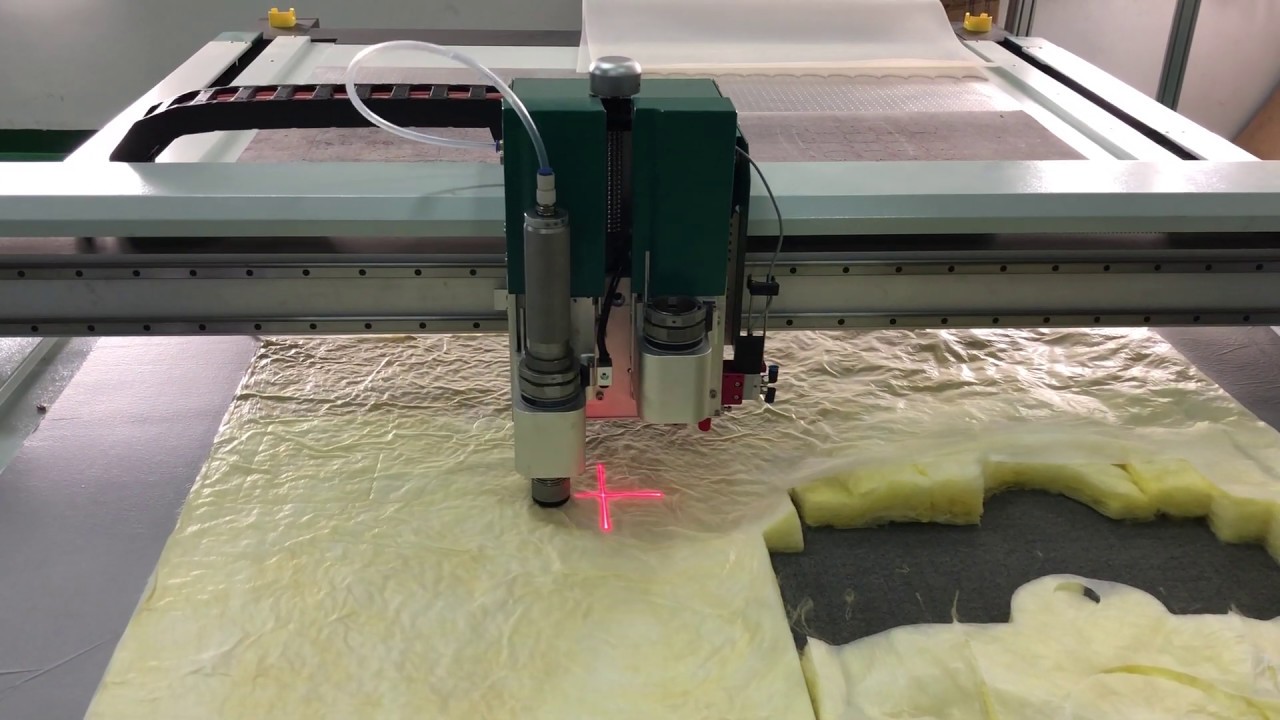
Automation has become a major driving force in modern industrial manufacturing, helping businesses improve efficiency, accuracy, and productivity. In industries that rely heavily on insulation materials — such as construction, HVAC production, shipbuilding, and energy infrastructure — precision cutting plays a critical role in maintaining product quality. Automated cutting technology allows manufacturers to streamline operations while reducing manual effort and production errors.
Companies that invest in automation often experience faster production cycles and improved consistency. A modern insulation cutting machine designed with automation features can perform repetitive cutting tasks with minimal supervision, ensuring uniform results across large production volumes. These machines are built to handle various insulation materials, including foam boards, fiberglass, mineral wool, and rubber insulation, making them a versatile solution for industrial applications.
Increased Production Efficiency
One of the most significant advantages of automated insulation cutting machines is improved production efficiency. Manual cutting processes are time-consuming and often require skilled labor to maintain accuracy. Automated systems, on the other hand, can operate continuously with minimal downtime, allowing manufacturers to meet high production demands.
Automated cutting machines can complete complex cutting patterns quickly and consistently. This reduces bottlenecks in production lines and ensures that insulation components are ready for assembly or installation without delays. Faster processing times also help businesses handle large orders more effectively, improving overall operational performance.
In addition, automation reduces dependency on manual labor for repetitive tasks. This allows workers to focus on supervision, quality control, and machine operation rather than physically cutting materials. As a result, productivity increases while labor costs remain controlled.
Improved Cutting Precision and Consistency
Precision is essential when working with insulation materials. Poorly cut insulation can lead to gaps, reduced thermal performance, and installation difficulties. Automated cutting machines use programmed controls and advanced cutting mechanisms to ensure each piece meets exact specifications.
Computer-controlled systems, such as CNC insulation cutters, can reproduce the same design repeatedly without variation. This level of consistency is difficult to achieve with manual cutting methods. Accurate cutting not only improves product quality but also reduces the need for rework or material adjustments during installation.
Automated machines are especially useful for producing custom insulation components. Manufacturers can input digital designs into the system and produce complex shapes with high accuracy. This capability is valuable in industries where insulation must fit precisely around equipment, ducts, or structural components.
Reduced Material Waste
Material waste is a common challenge in insulation manufacturing. Manual cutting errors, uneven edges, and inaccurate measurements often result in discarded materials. Automated cutting machines help minimize waste by optimizing cutting patterns and ensuring precise measurements.
Many automated systems include software that calculates the most efficient cutting layout for insulation sheets or boards. This process, often called nesting optimization, maximizes material usage and reduces scrap. Over time, these savings can significantly lower production costs.
Reducing waste also supports environmentally responsible manufacturing practices. Efficient material usage helps companies lower their environmental impact while improving cost efficiency. Automated insulation cutting machines contribute to both sustainability and profitability.
Enhanced Workplace Safety
Safety is another important benefit of automated insulation cutting equipment. Manual cutting tools can expose workers to risks such as sharp blades, repetitive strain injuries, and airborne insulation particles. Automation reduces direct contact between workers and cutting tools, creating a safer work environment.
Modern machines are equipped with safety features such as protective guards, emergency stop controls, and automated feeding systems. These features help prevent accidents and ensure compliance with workplace safety standards.
By reducing manual handling of insulation materials, automated machines also improve ergonomics in manufacturing facilities. Workers can operate equipment from control panels rather than performing physically demanding cutting tasks.
Greater Flexibility in Manufacturing
Automated insulation cutting machines provide flexibility that traditional cutting methods cannot match. Manufacturers can quickly switch between different cutting designs, material sizes, and insulation types using programmable controls.
This flexibility is particularly valuable for businesses that produce customized insulation products. Instead of setting up new tools for each project, operators can simply adjust machine settings or upload new cutting designs. This reduces setup time and allows companies to respond quickly to customer requirements.
Automation also supports scalable production. As demand increases, businesses can expand output without significantly increasing labor requirements. This makes automated cutting machines a long-term investment for growing manufacturers.
Lower Long-Term Operating Costs
Although automated insulation cutting machines may require a higher initial investment, they often result in lower operating costs over time. Increased efficiency, reduced waste, and lower labor requirements all contribute to long-term savings.
Durable machine components and advanced control systems also reduce maintenance needs compared to manual cutting tools. Many automated machines are designed for continuous industrial use, ensuring reliable performance over extended periods.
Energy-efficient designs further help manufacturers control operating expenses. By optimizing production processes, automated machines contribute to cost-effective manufacturing operations.
Conclusion
Automated insulation cutting machines have transformed the way insulation materials are processed in industrial environments. By improving efficiency, precision, safety, and flexibility, these machines help businesses maintain high production standards while reducing costs and material waste.
As industries continue to adopt automation technologies, insulation cutting equipment will remain an essential part of modern manufacturing systems. Companies that invest in automated cutting solutions can improve productivity, ensure consistent product quality, and remain competitive in an increasingly technology-driven market.


