


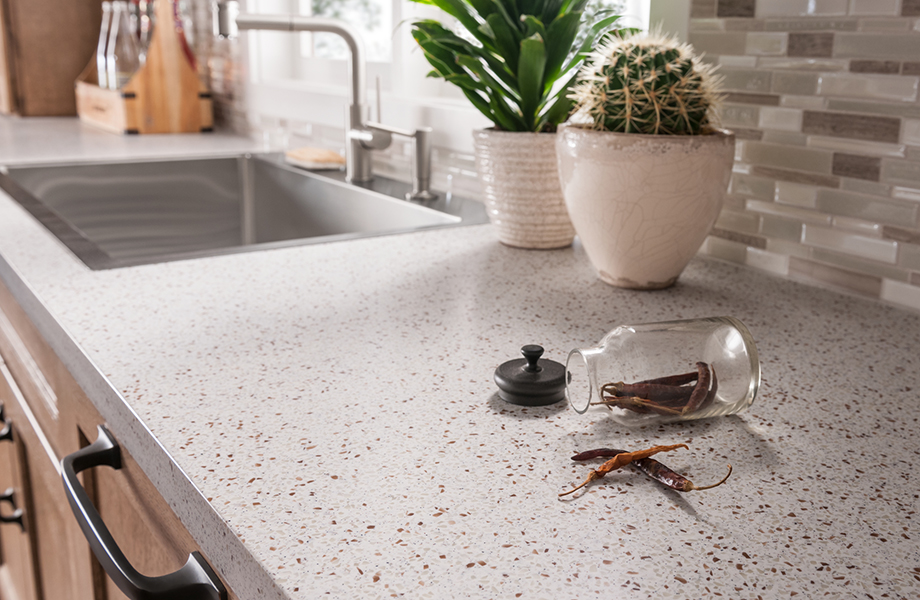
Solid surface materials have become an important part of modern architecture and interior design. Known for their durability, seamless appearance, and versatility, these materials are widely used in both residential and commercial environments. Designers and builders appreciate solid surface products because they combine visual appeal with practical performance. Their non-porous structure, flexibility in fabrication, and wide range of colors make them suitable for a variety of interior applications.
As construction trends continue to evolve, the demand for materials that offer both functionality and design flexibility has increased. Solid surface products meet these needs by providing smooth, continuous surfaces that are easy to maintain and adaptable to many design styles. Many architects and interior designers rely on a trusted Solid Surface Solid Surface Manufacturer to supply materials that support modern design standards while maintaining high durability. These materials are used in numerous installations, ranging from kitchen countertops in homes to large reception desks in commercial buildings.
Kitchen Countertops and Work Surfaces
One of the most common residential uses of solid surface materials is kitchen countertops. Kitchens are high-traffic areas where surfaces are exposed to moisture, heat, and frequent cleaning. Solid surface materials perform well in this environment because they are non-porous and resistant to stains and bacteria.
Unlike natural stone, solid surface countertops can be installed with nearly invisible seams. This creates a clean and continuous appearance that enhances the overall design of the kitchen. Additionally, integrated sinks can be incorporated directly into the countertop, eliminating gaps where dirt or water could accumulate.
Homeowners also appreciate the wide range of color options available with solid surface materials. Whether the design theme is modern, minimalist, or traditional, solid surface countertops can be customized to complement the surrounding cabinets and flooring.
Bathroom Vanities and Sink Areas
Bathrooms are another area where solid surface materials are widely used. The moisture-resistant properties of these materials make them ideal for vanity tops, sinks, and shower wall panels. Because the material does not absorb water, it helps prevent mold and mildew growth in humid environments.
Solid surface vanities can also be fabricated with integrated sinks, creating a seamless design that is both functional and visually appealing. This feature improves hygiene and simplifies cleaning, making it a practical choice for residential bathrooms.
In addition, the smooth finish of solid surface materials adds a sense of luxury and sophistication to bathroom spaces. Designers often use these materials to create sleek countertops, decorative wall panels, and custom storage surfaces.
Reception Desks and Office Interiors
In commercial environments, solid surface materials are frequently used to create reception desks and office workspaces. Reception areas are often the first point of contact for visitors, making their appearance an important part of a company’s image.
Solid surface materials allow designers to create modern and professional-looking reception counters with curved shapes, seamless joints, and customized colors. These features help businesses create a strong visual impression while maintaining durability in high-use areas.
Office interiors also benefit from solid surface workstations, meeting room tables, and decorative wall elements. Because the material can be easily fabricated and repaired, it provides a practical long-term solution for office environments where furniture and surfaces are used frequently.
Hospitality and Hotel Applications
The hospitality industry relies heavily on materials that combine durability with aesthetic appeal. Hotels, resorts, and restaurants often use solid surface products in guest rooms, bathrooms, reception areas, and dining spaces.
For example, hotel reception counters are commonly made from solid surface materials because they can be designed with smooth curves and integrated lighting features. Guest room bathrooms may feature solid surface vanity tops and shower walls that provide a clean and modern appearance.
Restaurants also use solid surface materials for dining tables, service counters, and bar tops. The non-porous surface makes it easy to maintain hygiene standards, which is essential in food service environments.
Healthcare and Medical Facilities
Healthcare facilities require materials that support strict hygiene standards while remaining durable under heavy use. Solid surface materials are often used in hospitals, clinics, and laboratories for countertops, sinks, and workstations.
Because the material is non-porous and seamless, it does not allow bacteria or liquids to penetrate the surface. This characteristic makes it easier to maintain sanitary conditions in medical environments.
Integrated sinks and continuous surfaces also reduce the number of joints and seams where contaminants could accumulate. These features help healthcare facilities maintain a safe and clean environment for both patients and staff.
Retail and Commercial Displays
Retail stores use solid surface materials to create display counters, shelving units, and decorative interior elements. The versatility of the material allows designers to create custom fixtures that match the brand identity of the store.
Solid surface materials can be shaped into unique forms, including curved counters and sculptural displays. These features help retailers create visually appealing spaces that attract customers and enhance the shopping experience.
In addition, the durability of solid surface products ensures that display fixtures maintain their appearance even in busy retail environments where surfaces are frequently used.
Wall Panels and Decorative Features
Beyond countertops and furniture, solid surface materials are also used as wall cladding and decorative architectural features. Large wall panels made from solid surface sheets can create a smooth and modern aesthetic in both residential and commercial spaces.
Designers often incorporate lighting, patterns, or textured finishes into these panels to create visually striking interior elements. The ability to thermoform the material also allows for curved wall installations and artistic design features.
These decorative applications demonstrate the versatility of solid surface materials in contemporary architecture.
Conclusion
Solid surface products play a significant role in both residential and commercial interior design. Their durability, seamless appearance, and versatility make them suitable for a wide range of applications, from kitchen countertops and bathroom vanities to office furniture and retail displays.
By providing hygienic, customizable, and visually appealing surfaces, solid surface materials meet the functional and aesthetic needs of modern spaces. As architects and designers continue to seek innovative building materials, solid surface products will remain an essential solution for creating attractive and long-lasting interiors.


