


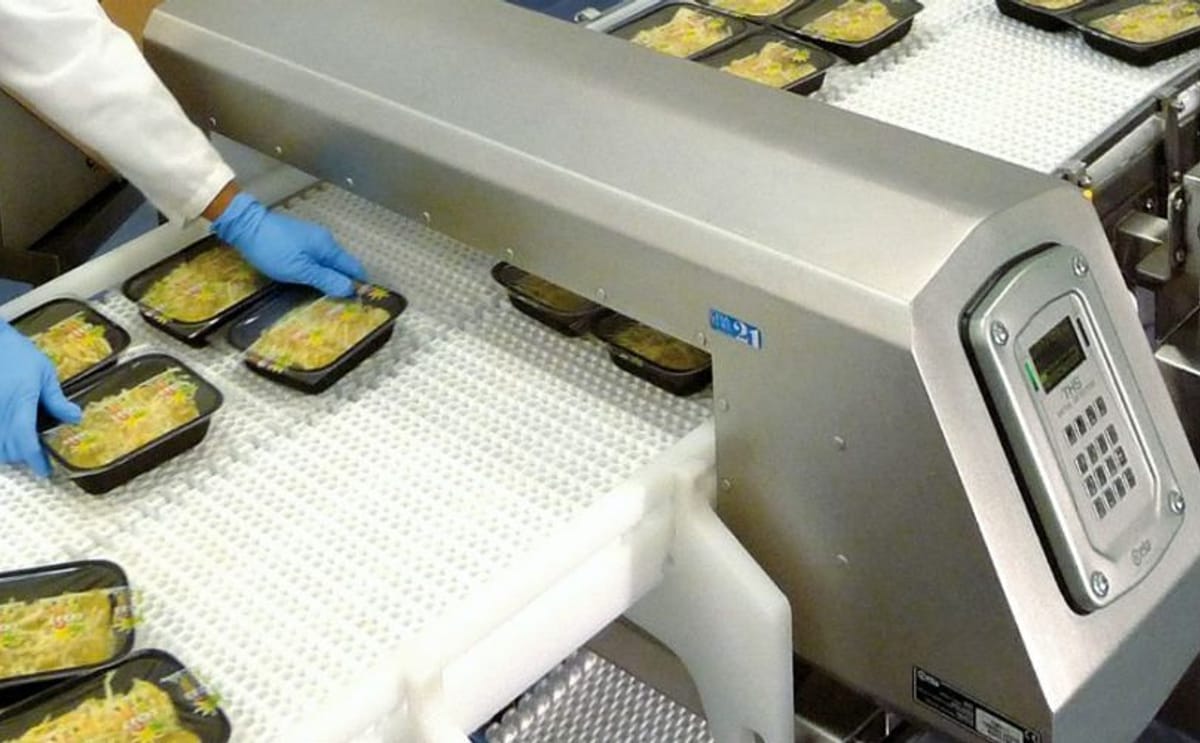
Food manufacturers need reliable inspection systems to protect product quality and prevent metal contamination during processing. Two of the most common solutions used in the food industry are conveyor metal detectors and pipeline metal detectors. While both systems serve the same purpose of detecting unwanted metal particles, they are designed for different production environments and product types.
Understanding the differences between these systems helps businesses select the right equipment for their operations. When comparing Food Processing Metal Detectors for Sale, manufacturers should consider factors such as product form, production process, installation requirements, and hygiene standards.
Overview of Conveyor Metal Detectors
Conveyor metal detectors are designed to inspect solid food products as they move along a conveyor belt. These systems are commonly installed at the end of production lines or before packaging to identify contaminants in finished or semi-finished products.
They are widely used because they can inspect large quantities of products continuously without slowing down production.
Common Applications of Conveyor Metal Detectors
Conveyor systems are suitable for many food processing applications, including:
- Bakery products
- Frozen foods
- Meat and poultry
- Snacks
- Packaged foods
- Seafood products
They are especially effective for products that maintain a fixed shape and can be transported on a conveyor belt.
Overview of Pipeline Metal Detectors
Pipeline metal detectors are designed for liquid, semi-liquid, and paste-like products that move through enclosed processing pipes. These systems inspect products during transportation through pipelines while maintaining hygienic production conditions.
Pipeline detectors are commonly integrated into automated processing systems where products cannot be inspected using traditional conveyor methods.
Common Applications of Pipeline Metal Detectors
Pipeline systems are often used for:
- Sauces
- Dairy products
- Juices
- Liquid ingredients
- Soups
- Purees
They are ideal for industries where products flow continuously through pipes before filling or packaging.
Key Differences Between Conveyor and Pipeline Metal Detectors
Although both systems detect metal contamination, their designs and applications differ significantly.
Product Type
The biggest difference is the type of product being inspected.
Conveyor metal detectors are designed for solid products, while pipeline metal detectors are built for liquid and semi-liquid materials.
Choosing the wrong system may result in poor inspection performance or difficulties during integration.
Installation Method
Conveyor detectors are installed directly over or around a conveyor belt, allowing products to pass through the detection area.
Pipeline detectors are installed within production piping systems, requiring proper connection with existing processing equipment.
The installation method depends on the structure of the production line.
Production Environment
Conveyor systems are commonly found in packaging and handling areas, while pipeline systems are typically used earlier in the processing stage.
Pipeline detectors often require designs that support strict hygiene standards because they come into contact with liquid food products.
Detection Performance Comparison
Both systems can provide high detection accuracy when properly selected and configured.
Conveyor metal detectors are effective for identifying contaminants in individual products as they pass through the inspection zone.
Pipeline metal detectors provide continuous inspection of flowing products and are particularly useful for preventing contamination before packaging.
The best choice depends on the product characteristics and production requirements.
Hygiene and Cleaning Requirements
Hygiene is a critical factor in food production. Both systems must be designed for easy cleaning and maintenance.
Conveyor metal detectors often feature:
- Stainless steel construction
- Washdown-resistant designs
- Easy-access components
Pipeline metal detectors require:
- Hygienic internal surfaces
- Secure pipeline connections
- Easy sanitation procedures
Proper cleaning helps maintain food safety and equipment reliability.
Choosing the Right System for Your Business
When deciding between conveyor and pipeline metal detectors, consider the following questions:
- Is your product solid, liquid, or semi-liquid?
- Where is the best inspection point in your production line?
- What are your hygiene requirements?
- What production speed do you need?
- How will contaminated products be removed?
Answering these questions helps determine which system provides the best performance.
Can Both Systems Be Used Together?
Some large food processing facilities use both conveyor and pipeline metal detectors at different stages of production. Combining systems provides multiple inspection points and improves overall contamination control.
For example, pipeline detection can remove contaminants from ingredients early, while conveyor inspection can provide final checks before packaging.
Conclusion
Conveyor metal detectors and pipeline metal detectors both play important roles in food safety, but they are designed for different applications. Conveyor systems are best suited for solid products moving on production lines, while pipeline systems are ideal for liquids and semi-liquids flowing through processing equipment.
The right choice depends on your product type, production process, and safety requirements. By understanding the differences between these two technologies, food manufacturers can select inspection equipment that improves quality control, reduces contamination risks, and supports efficient production.


