


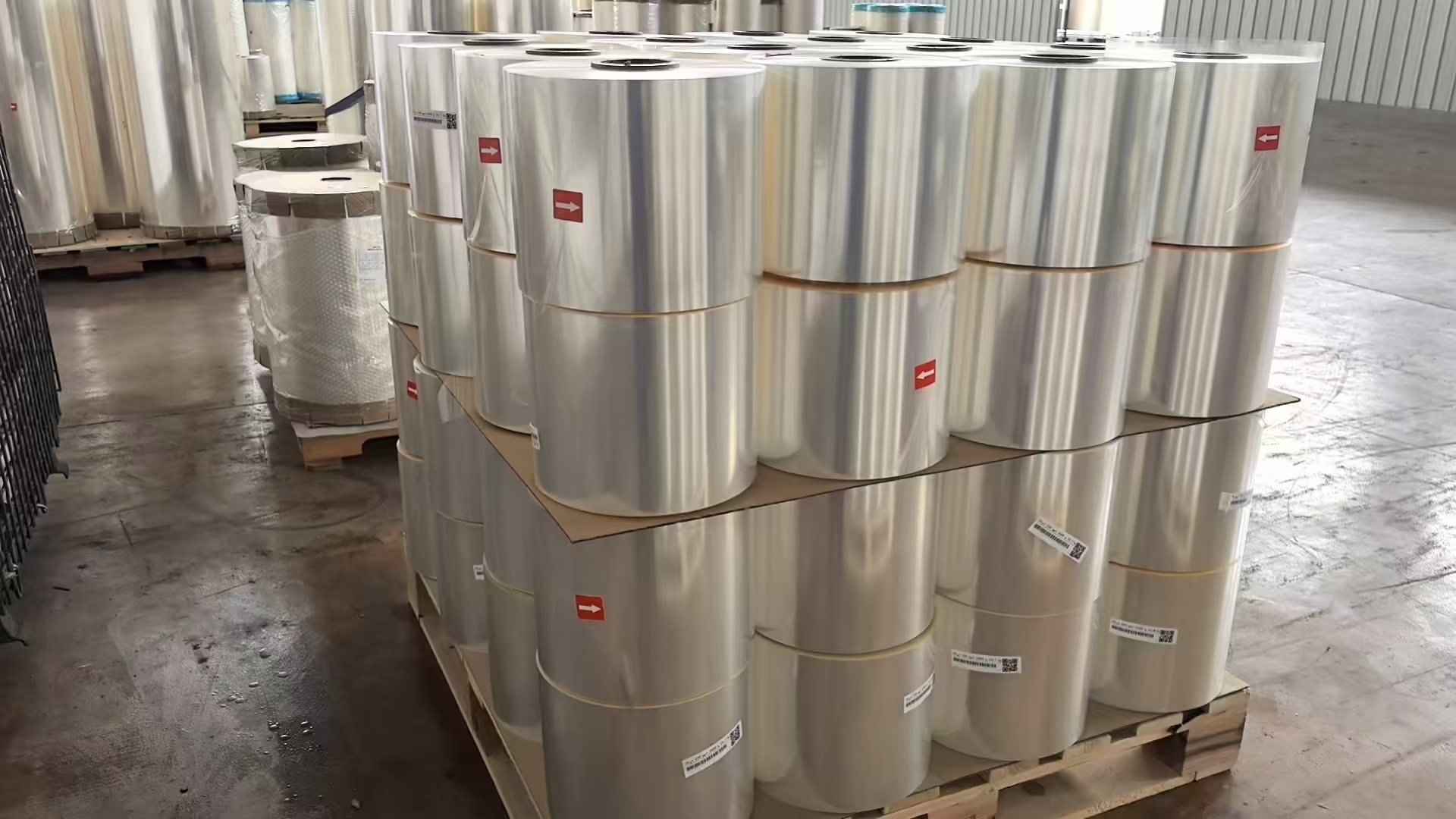
BOPP (Biaxially Oriented Polypropylene) film is one of the most widely used materials in flexible packaging due to its excellent clarity, strength, and versatility. It is commonly found in food packaging, labels, adhesive tapes, and lamination applications. Its performance depends heavily on the precision of its production process and the technology used in manufacturing.
Behind every high-quality film lies a carefully controlled industrial process that transforms raw polypropylene resin into a durable, transparent packaging material. This is why understanding production technology is essential for evaluating the capabilities of suppliers and why many buyers closely study the methods used by different BOPP film manufacturers before making sourcing decisions.
Overview of BOPP Film Production
The production of BOPP film is a multi-stage process that requires strict control of temperature, pressure, and stretching conditions. The goal is to transform polypropylene resin into a thin film with enhanced mechanical and optical properties.
The process generally includes:
- Raw material preparation
- Extrusion and film casting
- Machine direction orientation (MDO)
- Transverse direction orientation (TDO)
- Heat setting and winding
Each stage contributes to the final strength, clarity, and stability of the film.
Raw Material Selection and Preparation
High-quality production begins with selecting pure polypropylene resin. Manufacturers carefully choose grades that offer consistent molecular structure and low impurity levels.
During preparation:
- Resin pellets are dried to remove moisture
- Additives may be blended for specific properties
- Material is filtered to eliminate contaminants
This ensures smooth extrusion and reduces the risk of defects such as haze, bubbles, or weak points in the final film.
Extrusion Process: The First Transformation
The extrusion stage is where raw resin is melted and formed into a flat sheet. This is one of the most critical steps in BOPP film manufacturing.
In this process:
- Resin is heated until it becomes molten
- The molten polymer is forced through a flat die
- A uniform sheet is formed on a chill roll system
Precision in temperature control and die design is essential. Even small variations can affect thickness uniformity and optical clarity.
Machine Direction Orientation (MDO)
After extrusion, the film is stretched in the machine direction. This step aligns polymer molecules and significantly improves tensile strength.
Key benefits of MDO include:
- Increased film strength
- Improved dimensional stability
- Better resistance to tearing
This controlled stretching process helps prepare the film for the next stage of orientation.
Transverse Direction Orientation (TDO)
The next step is stretching the film in the transverse direction. This biaxial orientation process is what gives BOPP film its unique combination of strength and clarity.
During TDO:
- The film is heated to a controlled temperature
- It is stretched sideways in a tenter frame
- Molecular chains are evenly aligned
This stage enhances transparency, reduces thickness, and improves mechanical performance.
Heat Setting and Stabilization
After stretching, the film undergoes heat setting to lock in its molecular structure. This ensures that the film maintains its shape and performance under different environmental conditions.
Heat setting helps:
- Prevent shrinkage
- Improve dimensional stability
- Enhance thermal resistance
This step is essential for ensuring consistent performance during storage and application.
Surface Treatment and Finishing
Once the film is formed, surface treatments are applied depending on its intended use. These treatments improve printability and bonding performance.
Common methods include:
- Corona treatment for better ink adhesion
- Plasma treatment for surface energy modification
- Coating applications for barrier or sealing properties
These enhancements make the film suitable for a wide range of packaging applications.
Quality Control in Production
Throughout the entire process, strict quality control measures are implemented to ensure consistency and performance.
Manufacturers typically monitor:
- Film thickness uniformity
- Optical clarity and haze levels
- Tensile and tear strength
- Surface defect detection
Advanced production lines use automated systems to detect and correct deviations in real time.
Conclusion
The production of BOPP film is a highly technical process that depends on precision engineering and advanced manufacturing systems. From raw material selection to biaxial orientation and surface treatment, every stage plays a crucial role in determining the final quality of the film.
Understanding this process helps businesses better evaluate supplier capabilities and product reliability. As demand for high-performance packaging continues to grow, the expertise and technology of manufacturers remain key factors in delivering consistent, high-quality BOPP film solutions.


