


Steel coils and sheets are widely used in construction, automotive manufacturing, and industrial fabrication due to their strength and adaptability. However, raw steel is highly vulnerable to corrosion, which can reduce its durability and service life when exposed to moisture and environmental conditions.
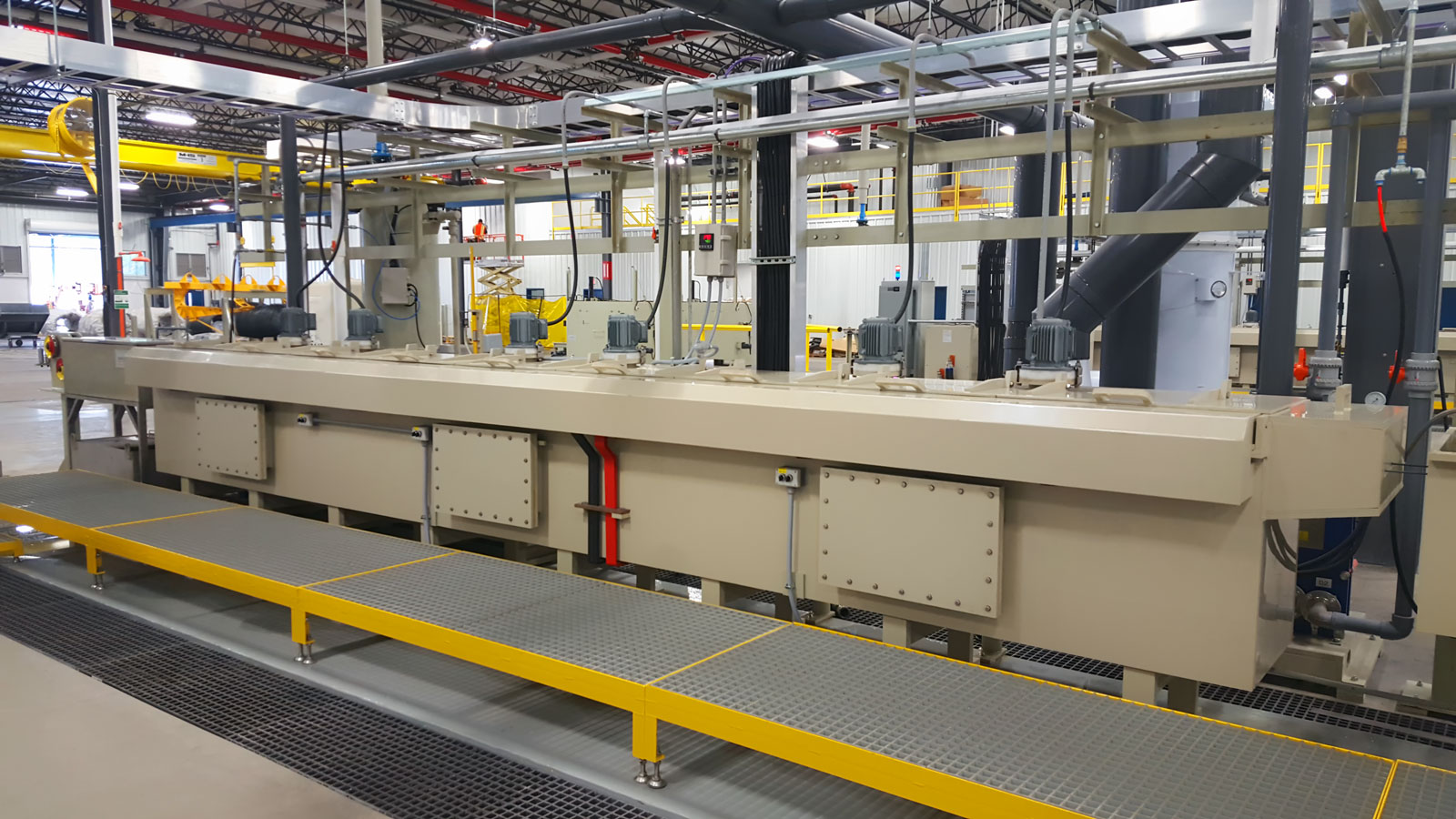
To improve performance and longevity, manufacturers rely on zinc coating technology applied through continuous processing systems. A carefully engineered hot dip galvanizing line plays a central role in transforming plain steel coils and sheets into corrosion-resistant materials suitable for demanding applications.
Importance of Steel Coil and Sheet Galvanizing
Steel in coil or sheet form is preferred in mass production industries because it allows efficient cutting, forming, and shaping. However, without protection, these thin steel products can corrode quickly, especially in humid or industrial environments.
Galvanizing provides:
- Long-term corrosion resistance
- Improved surface durability
- Better performance in outdoor conditions
- Extended service life of finished products
This makes galvanized steel essential for both structural and decorative applications.
Entry and Preparation of Steel Coils
The process begins with large steel coils being loaded into the production system. These coils must be carefully handled to maintain alignment and surface integrity.
Key preparation steps include:
- Coil unwinding and tension control
- Strip alignment adjustment
- Surface inspection before processing
Proper handling ensures smooth flow through the entire production system.
Cleaning and Surface Conditioning
Before coating, steel coils must undergo thorough cleaning to remove impurities such as oil, rust, and oxide layers. Any contamination can weaken zinc adhesion and affect final quality.
Typical cleaning stages involve:
- Degreasing to remove oil and grease
- Acid treatment for rust removal
- Rinsing to eliminate chemical residues
- Drying to prepare surface for coating
Clean surfaces are essential for strong and uniform zinc bonding.
Annealing and Heat Treatment of Steel Strip
Once cleaned, the steel strip passes through a heating stage where it is softened and prepared for coating. This process improves mechanical properties and ensures better coating performance.
During this stage:
- Internal stresses in steel are reduced
- Surface structure is stabilized
- Material becomes more flexible for coating process
Proper heat treatment is essential for achieving consistent coating quality.
Zinc Coating Process for Coils and Sheets
The core stage involves immersing the steel strip into molten zinc. As the steel passes through the bath, a metallurgical reaction occurs, forming a protective alloy layer.
This process ensures:
- Strong bonding between zinc and steel
- Uniform coating across the surface
- Protection against corrosion and wear
The coating thickness is carefully controlled to meet different industrial requirements.
Thickness Regulation and Surface Control
After exiting the zinc bath, excess coating is removed using controlled air pressure systems. This step ensures that the final product meets required specifications.
Important factors include:
- Strip speed through the system
- Air pressure balance
- Bath temperature stability
- Steel composition consistency
Proper regulation ensures smooth and uniform coating results.
Cooling and Coil Formation
Once coated, steel is cooled to stabilize the zinc layer. Controlled cooling prevents surface defects and ensures long-term durability.
After cooling:
- Steel is wound back into coils
- Sheets are cut or processed as required
- Surface is inspected for quality assurance
This final stage prepares the product for storage or further manufacturing.
Industrial Applications of Galvanized Steel Coils and Sheets
Galvanized steel produced through coil and sheet processing is widely used across multiple industries due to its strength and corrosion resistance.
Common applications include:
- Building roofing and wall panels
- Automotive body components
- Home appliances
- Industrial equipment housings
- Storage tanks and containers
Its versatility makes it a preferred material in large-scale production.
Importance of Continuous Processing Systems
Continuous production systems improve efficiency and ensure consistent quality in steel coating operations. They allow uninterrupted processing of coils, reducing downtime and improving output.
A properly designed hot dip galvanizing line ensures smooth coordination between all stages, from entry to final winding, resulting in stable production and uniform product quality.
Conclusion
Steel coil and sheet production relies heavily on effective zinc coating to ensure durability and performance. Each stage, from cleaning to coating and cooling, plays an important role in determining final product quality.
A well-structured hot dip galvanizing line enables manufacturers to produce high-quality galvanized steel coils and sheets that meet the demands of construction, automotive, and industrial sectors while maintaining long-term corrosion resistance.


