


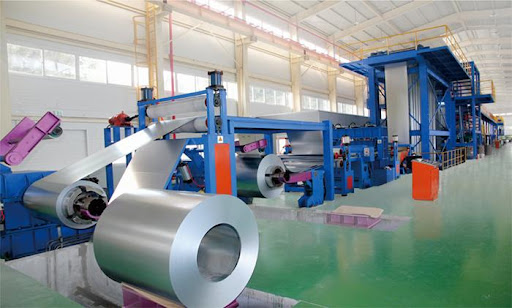
Environmental responsibility has become a defining requirement in modern industrial manufacturing. As regulations tighten across global markets, aluminum processing facilities are increasingly expected to reduce emissions, minimize waste, and adopt cleaner production technologies. Coil coating operations, in particular, have undergone significant transformation to meet these environmental expectations while maintaining high productivity.
A modern aluminum coil coating line is designed not only for efficiency and product quality but also for environmental compliance. From chemical management to energy consumption, every stage of production is optimized to reduce environmental impact and support sustainable manufacturing practices.
The Growing Importance of Environmental Regulations
Industrial coating processes involve chemicals, energy-intensive heating systems, and water usage, all of which can affect the environment if not properly controlled. Governments and international organizations have introduced strict regulations to limit emissions and encourage cleaner technologies.
Manufacturers must now comply with:
- Air emission control standards
- Wastewater treatment regulations
- Chemical handling guidelines
- Energy efficiency requirements
These regulations ensure that industrial production does not compromise environmental safety or public health.
Emission Control in Coil Coating Operations
One of the most critical environmental challenges in coil coating is the control of volatile organic compounds (VOCs). These emissions are released during paint application and curing processes.
Modern systems reduce emissions through:
Thermal Oxidation Systems
These systems capture and destroy VOCs by burning them at high temperatures, converting harmful gases into less harmful compounds before release.
Solvent Recovery Units
Advanced recovery systems capture solvents from exhaust air and recycle them back into the production process, reducing both emissions and material waste.
Low-VOC Coating Materials
Many manufacturers now use water-based or low-VOC coatings to minimize harmful emissions at the source.
Wastewater Management Systems
Water is widely used in cleaning and pretreatment stages of coil coating operations. Without proper treatment, wastewater can contain chemicals, oils, and metal residues.
Modern wastewater systems include:
- Filtration units
- Chemical neutralization tanks
- Sedimentation systems
- Recycling loops
These systems ensure that water is treated before discharge or reused in production, significantly reducing environmental impact.
Energy Efficiency in Coil Coating Lines
Energy consumption is another major environmental concern in industrial coating processes. Heating systems, curing ovens, and drying units require significant energy input.
Manufacturers improve energy efficiency through:
Heat Recovery Systems
Waste heat from curing ovens is captured and reused to preheat incoming air or materials, reducing overall energy demand.
Insulated Oven Designs
Modern curing ovens are built with high-performance insulation materials that minimize heat loss and improve thermal efficiency.
Smart Energy Management
Digital control systems optimize energy usage by adjusting temperature and line speed based on real-time production requirements.
Chemical Management and Eco-Friendly Materials
Chemical usage is essential in pretreatment and coating processes, but improper handling can lead to environmental risks. Modern facilities prioritize safe chemical management practices.
Sustainable approaches include:
- Use of chrome-free pretreatment solutions
- Adoption of water-based coatings
- Controlled chemical dosing systems
- Safe storage and handling procedures
These measures help reduce hazardous waste and improve workplace safety.
Air Quality Control Measures
Maintaining air quality within and around manufacturing facilities is an important part of environmental compliance. Coil coating plants implement multiple systems to control airborne pollutants.
Common air control technologies include:
- High-efficiency filtration systems
- Ventilation and exhaust control units
- Activated carbon adsorption systems
- Continuous emission monitoring
These systems ensure that emissions remain within permissible regulatory limits.
Role of Automation in Environmental Compliance
Automation plays a key role in maintaining consistent environmental performance. Modern control systems continuously monitor emissions, energy usage, and chemical consumption.
Automated systems provide:
- Real-time environmental data tracking
- Automatic adjustment of process parameters
- Early detection of abnormal emissions
- Reduced human error in environmental management
By integrating environmental monitoring into production control, manufacturers can ensure continuous compliance without sacrificing efficiency.
Sustainable Manufacturing Practices
Sustainability is no longer optional in industrial production. Coil coating facilities are adopting long-term strategies to reduce their environmental footprint.
Key sustainability practices include:
- Recycling of aluminum scrap and materials
- Reduction of water and energy consumption
- Implementation of circular production systems
- Use of environmentally certified materials
These practices contribute to greener manufacturing and support global sustainability goals.
Compliance with International Environmental Standards
To operate in global markets, manufacturers must comply with internationally recognized environmental standards. These frameworks ensure consistent environmental performance across industries.
Common standards include:
- ISO 14001 Environmental Management Systems
- Regional emission control regulations
- Industry-specific environmental guidelines
- Workplace safety and chemical handling standards
Compliance with these standards improves market access and enhances corporate responsibility.
Conclusion
Environmental compliance is now a core component of modern industrial operations. In aluminum coil coating facilities, it influences everything from chemical selection to energy management and emission control.
A well-designed aluminum coil coating line integrates advanced environmental technologies that reduce pollution, conserve resources, and improve overall sustainability. As global industries continue to prioritize eco-friendly production, environmental compliance will remain a key driver of innovation and operational excellence in coil coating technology.


