


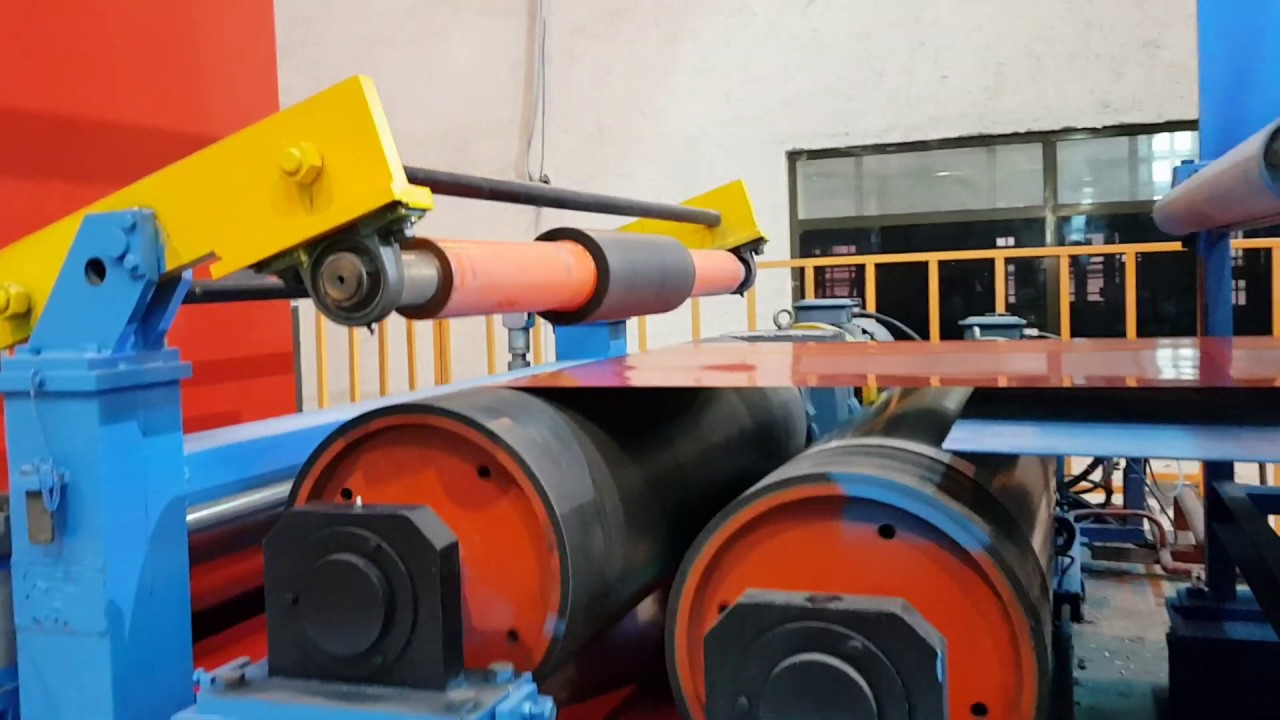
In modern metal processing industries, environmental sustainability has become a major focus alongside productivity and product quality. As manufacturers adopt more advanced surface treatment technologies, they are also expected to reduce emissions, energy consumption, and chemical waste. Continuous coil coating systems are designed not only for efficiency but also for minimizing environmental impact across production stages.
A modern color coating line integrates multiple processes such as cleaning, pretreatment, coating, and curing into a controlled and automated system. While this improves production consistency, it also raises important environmental considerations, particularly in areas such as air emissions, wastewater management, and energy usage. Addressing these factors is essential for achieving sustainable and compliant industrial operations.
Emission Control and Air Quality Management
One of the primary environmental concerns in coating operations is the emission of volatile organic compounds (VOCs) released during the coating and curing processes. These emissions can contribute to air pollution if not properly controlled.
To manage this, modern systems often incorporate:
- Thermal oxidizers to break down VOCs
- Activated carbon adsorption units for gas filtration
- Proper ventilation and exhaust systems
- Low-VOC or water-based coating materials
These measures help reduce harmful emissions while ensuring compliance with environmental regulations.
Wastewater Treatment and Chemical Handling
The pretreatment section of a coating line involves cleaning and chemical conversion processes that generate wastewater containing oils, metals, and chemical residues. Proper treatment is essential to prevent environmental contamination.
Key wastewater management practices include:
- Neutralization of acidic and alkaline solutions
- Filtration and sedimentation to remove solids
- Recycling treated water for reuse in non-critical processes
- Safe disposal of hazardous sludge in accordance with regulations
Efficient wastewater management not only protects the environment but also reduces operational costs through water reuse systems.
Energy Consumption and Efficiency Optimization
Energy use is another major environmental factor in continuous coating systems, particularly in the curing oven, which requires high temperatures to solidify coatings. Without optimization, energy consumption can become a significant operational burden.
Manufacturers improve energy efficiency through:
- Heat recovery systems that reuse exhaust heat
- Improved insulation in curing ovens
- Variable frequency drives (VFDs) for motor control
- Optimized line speed to balance energy and output
These improvements help reduce the carbon footprint of production while maintaining consistent coating quality.
Sustainable Coating Materials
The type of coating materials used also has a direct impact on environmental performance. Traditional solvent-based coatings release higher levels of VOCs, while modern alternatives are more environmentally friendly.
Common sustainable options include:
- Water-based coatings with reduced VOC emissions
- Powder coatings that eliminate solvent use
- High-solid coatings with improved material efficiency
- Recyclable or low-impact chemical formulations
By selecting eco-friendly coatings, manufacturers can significantly reduce environmental risks associated with production.
Solid Waste Reduction and Recycling
Metal processing operations generate solid waste such as scrap coils, coating residues, and filter materials. Effective waste management strategies are essential for minimizing environmental impact.
Best practices include:
- Recycling scrap metal back into production cycles
- Recovering and reusing excess coating materials where possible
- Proper segregation of hazardous and non-hazardous waste
- Implementing circular production systems
These measures contribute to resource efficiency and reduce landfill dependency.
Regulatory Compliance and Environmental Standards
Industries operating coating systems must comply with environmental regulations and international standards. These may include air quality limits, wastewater discharge guidelines, and workplace safety requirements.
Compliance is typically achieved through:
- Regular environmental audits and monitoring
- Installation of pollution control equipment
- Staff training on safe chemical handling
- Documentation and reporting of emissions and waste
Adhering to these standards ensures legal compliance and enhances corporate responsibility.
Conclusion
Environmental management in metal coating operations is becoming increasingly important as industries move toward sustainable production practices. From emission control and wastewater treatment to energy efficiency and eco-friendly materials, every aspect of the process contributes to reducing environmental impact. A modern color coating line is not only a tool for efficient manufacturing but also a system designed to support cleaner, more responsible industrial production.


