


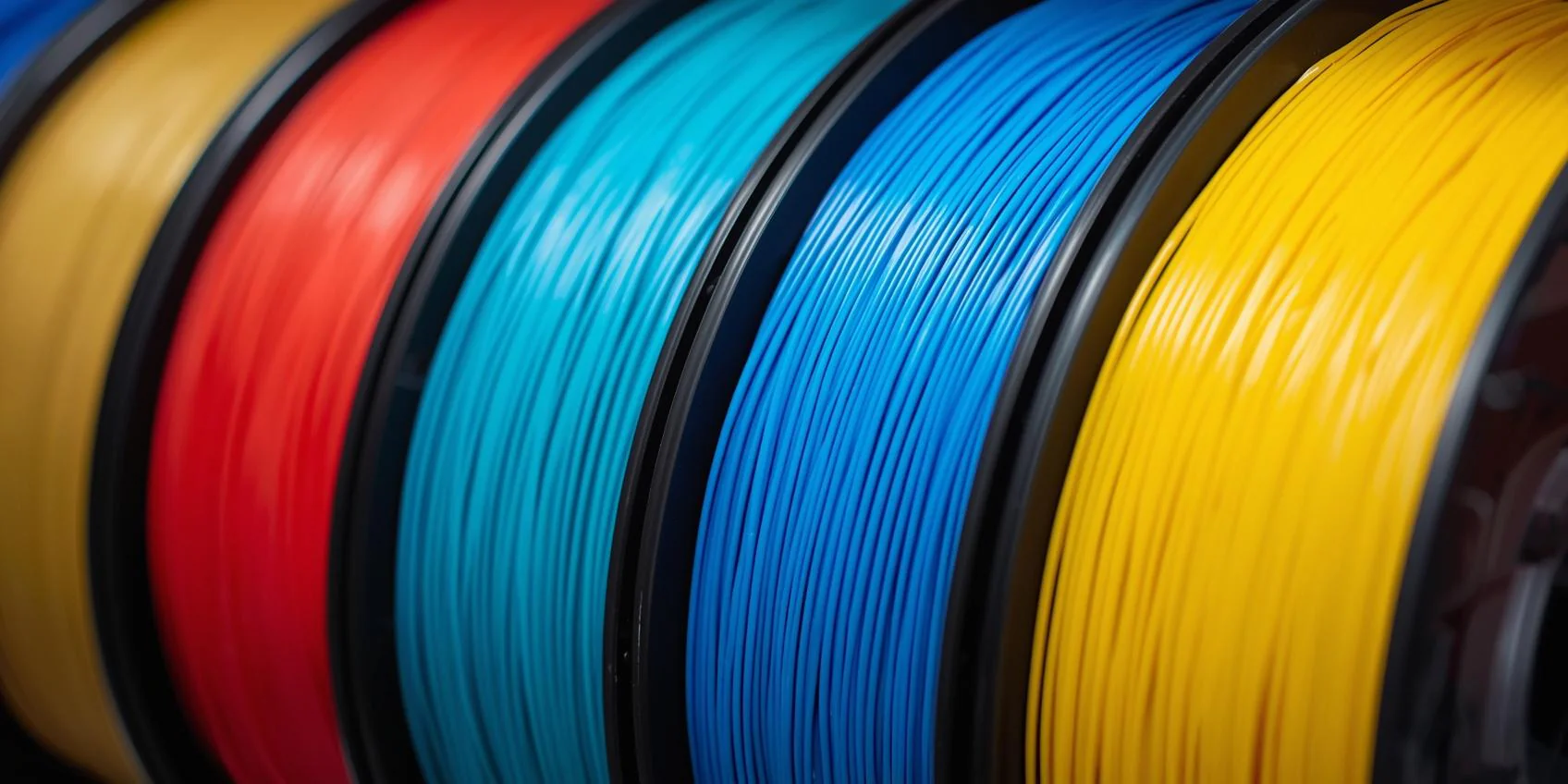
PET and PETG are closely related thermoplastic materials widely used in packaging, manufacturing, and 3D printing. While they share a similar chemical base, their performance characteristics differ significantly due to the addition of glycol in PETG. Understanding these differences helps in selecting the right material for specific applications where strength, clarity, or processing ease is required.
The original form, PET, is commonly used in beverage bottles and food packaging due to its excellent barrier properties and recyclability. However, when modified with glycol, it becomes PETG, a more versatile material that improves impact resistance and reduces brittleness, making it especially popular in 3D printing and engineering applications.
What is PET?
PET (Polyethylene Terephthalate) is a strong, lightweight plastic known for its excellent chemical resistance and transparency. It is widely used in:
- Water and soft drink bottles
- Food containers
- Synthetic fibers for textiles
- Packaging films
PET is valued for its recyclability and low cost, but it has limitations in terms of brittleness and processing flexibility when compared to PETG.
What is PETG?
PETG (Polyethylene Terephthalate Glycol) is a modified version of PET where glycol is added during polymerization. This modification prevents crystallization, resulting in a material that is clearer, tougher, and easier to process.
PETG is commonly used in:
- 3D printing filaments
- Medical device packaging
- Retail displays
- Protective covers and enclosures
Its combination of clarity, toughness, and ease of use makes it a preferred choice in both industrial and consumer applications.
Key Differences Between PET and PETG
Although PET and PETG are chemically related, their performance differs in several important ways.
1. Strength and Impact Resistance
- PET: Strong but more brittle under impact
- PETG: More flexible and highly impact-resistant
PETG performs better in applications where parts may experience stress or sudden force.
2. Temperature Resistance
- PET: Better resistance to heat deformation in rigid forms
- PETG: Moderate heat resistance, suitable for everyday use
PET may perform slightly better in high-temperature storage applications, but PETG offers more consistent mechanical performance under moderate heat.
3. Clarity and Appearance
- PET: Naturally transparent but can crystallize under certain conditions
- PETG: Maintains high clarity without crystallization
PETG is often preferred for visually appealing applications due to its glossy and clear finish.
4. Processability and Manufacturing
- PET: Requires more controlled processing conditions
- PETG: Easier to mold, extrude, and 3D print
PETG’s lower processing complexity makes it more suitable for rapid prototyping and small-scale production.
5. Chemical Resistance
Both materials offer good resistance to chemicals, but PET generally performs slightly better in rigid packaging environments. PETG still maintains strong resistance for most industrial and consumer uses.
Performance in Real-World Applications
PET and PETG are chosen based on specific industry requirements.
PET Applications
PET is widely used in large-scale packaging due to its cost-effectiveness and recyclability.
- Beverage bottles
- Food storage containers
- Textile fibers
- Industrial films
Its strength lies in mass production and recyclability.
PETG Applications
PETG is preferred in applications requiring durability and design flexibility.
- 3D printed functional parts
- Medical packaging and trays
- Protective shields and covers
- Retail display components
Its versatility makes it suitable for both functional and aesthetic uses.
Advantages of PETG Over PET
PETG offers several improvements that make it more suitable for modern applications:
- Higher impact resistance
- Reduced brittleness
- Better suitability for 3D printing
- Improved clarity without crystallization
- Easier processing and shaping
These advantages make PETG more adaptable for engineering and custom manufacturing.
Limitations of Both Materials
While both PET and PETG are useful, they have certain limitations:
- PET: Can become brittle and less suitable for complex shaping
- PETG: Slightly softer surface, prone to scratches
- Both: Moderate heat resistance compared to engineering plastics like ABS
Understanding these limitations helps in selecting the right material for the intended application.
When to Choose PET vs PETG
Choosing between PET and PETG depends on the project requirements:
- Use PET for large-scale packaging, food containers, and recyclable products
- Use PETG for durable parts, 3D printing, and applications requiring clarity and impact resistance
PET is ideal for cost-efficient mass production, while PETG is better suited for performance-driven and design-focused applications.
Conclusion
PET and PETG are closely related materials, but their differences significantly impact performance and usability. PET remains a strong choice for traditional packaging and recyclable products, while PETG offers enhanced durability, clarity, and versatility.
For applications requiring strength, flexibility, and ease of processing, PETG provides a more advanced and adaptable solution, making it increasingly popular across manufacturing and 3D printing industries.


