


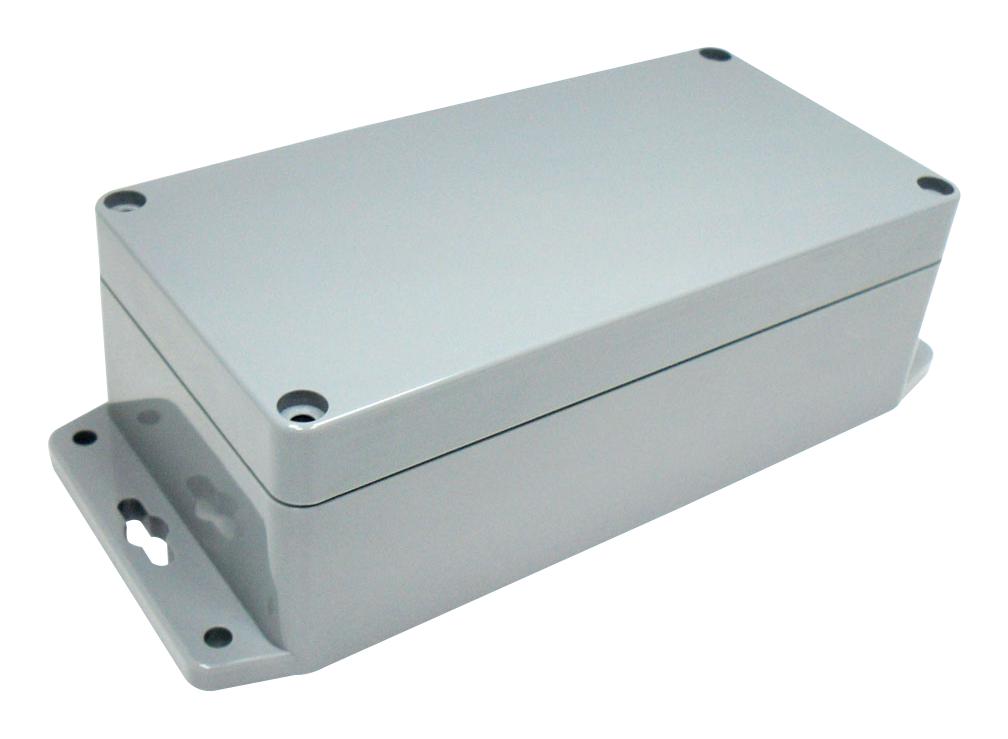
ABS plastic enclosures are widely used in electronics, industrial systems, and consumer devices due to their durability, flexibility, and cost efficiency. Understanding how these enclosures are manufactured provides insight into why they are so reliable in protecting sensitive electronic components. The production process combines material science, precision engineering, and quality control to ensure consistent performance.
In modern manufacturing, an abs plastic enclosure is typically produced using injection molding technology, which allows for high-volume production with accurate dimensions and smooth surface finishes. This method ensures that each enclosure meets strict structural and functional requirements, making it suitable for a wide range of applications.
Step 1: Material Preparation
The manufacturing process begins with the selection and preparation of ABS resin. Acrylonitrile Butadiene Styrene is chosen for its balance of strength, rigidity, and impact resistance.
During this stage, raw ABS pellets may be:
- Dried to remove moisture content
- Mixed with additives for color or UV resistance
- Prepared according to product specifications
Proper material preparation is essential because it directly affects the quality and durability of the final enclosure.
Step 2: Injection Molding Process
Injection molding is the core manufacturing technique used for ABS plastic enclosures. In this process, ABS pellets are heated until they melt into a molten state. The liquid plastic is then injected into a precision-engineered mold.
Once inside the mold, the material takes the shape of the enclosure design, including all structural features such as:
- Mounting points
- Screw holes
- Internal compartments
- Ventilation openings
The mold is then cooled to solidify the plastic, ensuring it retains its exact shape.
Step 3: Cooling and Solidification
After injection, the molded ABS enclosure is cooled under controlled conditions. Cooling is a critical stage because it determines the final strength and dimensional accuracy of the product.
If cooling is too fast or uneven, it may result in defects such as warping or internal stress. Therefore, manufacturers carefully regulate temperature and cooling time to ensure consistency and structural integrity.
Step 4: Ejection and Trimming
Once the enclosure has fully solidified, it is ejected from the mold using mechanical ejector systems. At this stage, the product may still have excess material known as flash, which forms along the mold edges.
This excess material is removed through trimming and finishing processes, ensuring a smooth and clean final appearance. Precision in this step is important for both aesthetics and proper assembly with electronic components.
Step 5: Surface Finishing and Treatment
After trimming, ABS plastic enclosures may undergo additional surface treatments depending on their intended application. These treatments enhance both appearance and functionality.
Common finishing processes include:
- Polishing for a smooth surface
- Texturing for improved grip or aesthetics
- Painting or coating for color customization
- UV protection coating for outdoor use
These finishing steps improve durability and allow manufacturers to meet specific design requirements.
Step 6: Quality Inspection and Testing
Before being released for use, each enclosure undergoes strict quality control checks. This ensures that the product meets industry standards and performs reliably in real-world applications.
Quality inspection typically includes:
- Dimensional accuracy checks
- Impact resistance testing
- Fit and alignment verification
- Surface defect inspection
In some cases, additional environmental testing may be conducted to evaluate resistance to heat, moisture, or dust exposure.
Step 7: Packaging and Distribution
Once approved, the finished ABS plastic enclosures are cleaned, packaged, and prepared for distribution. Proper packaging is important to prevent scratches or damage during transportation.
Manufacturers often use protective materials such as foam inserts or plastic wrapping to ensure that the enclosures arrive in perfect condition.
Conclusion
The manufacturing process of ABS plastic enclosures involves a carefully controlled series of steps, from raw material preparation to final inspection. Each stage plays a crucial role in ensuring the strength, precision, and reliability of the final product. Thanks to advanced injection molding technology and strict quality control, ABS enclosures continue to be a dependable solution for protecting electronic and industrial components across a wide range of applications.


