


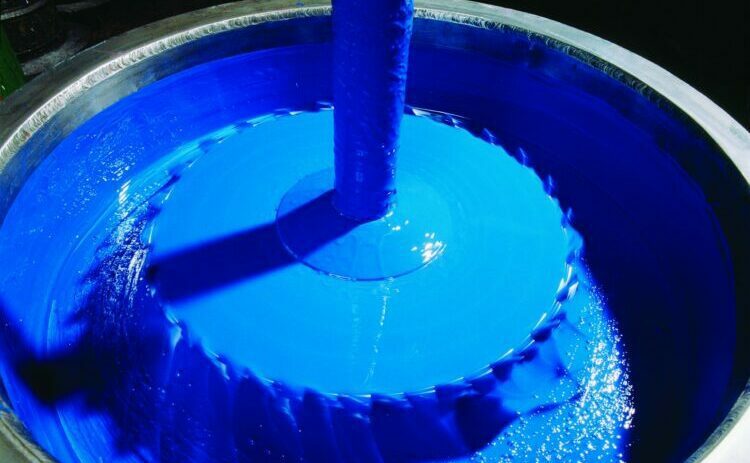
Paint manufacturing is a highly controlled industrial process that requires strict attention to both safety and product quality. Because it involves chemicals, mechanical systems, and high-speed processing equipment, maintaining standardized procedures is essential to ensure safe operations and consistent output.
A modern Paint Production Line is designed to meet these requirements by integrating advanced safety mechanisms and quality control systems into every stage of production. Systems such as the Paint Production Line help manufacturers maintain compliance while producing stable, high-quality paint products.
Importance of Safety in Paint Manufacturing
Paint production involves raw materials such as solvents, pigments, and resins that can pose risks if not handled properly. Safety standards are therefore a critical part of plant design and operation.
Key safety concerns include:
- Exposure to chemical vapors
- Risk of spills or leaks
- Mechanical hazards from rotating equipment
- Fire and explosion risks in solvent-based systems
To address these risks, modern production lines are built with multiple safety layers and control systems.
Equipment Safety Features
A well-designed paint production line includes built-in safety mechanisms to protect both operators and equipment.
Common safety features include:
- Emergency stop systems for immediate shutdown
- Pressure and temperature sensors for real-time monitoring
- Explosion-proof electrical components
- Automated shutoff valves for material flow control
These features help prevent accidents and ensure safe continuous operation.
Worker Safety Measures
Operator safety is a top priority in paint manufacturing environments. Automated systems significantly reduce direct human exposure to hazardous materials.
Safety practices include:
- Use of protective equipment (PPE)
- Enclosed processing systems to limit exposure
- Automated material handling to reduce manual contact
- Training programs for safe operation procedures
These measures create a safer working environment and reduce occupational risks.
Quality Control in Paint Production
Maintaining consistent product quality is just as important as ensuring safety. Quality standards ensure that every batch of paint meets required performance specifications.
Key quality control factors include:
- Accurate raw material measurement
- Controlled mixing and dispersion processes
- Consistent particle size reduction
- Stable viscosity and color matching
Each stage of the production line is monitored to ensure uniform output.
Process Monitoring and Automation
Modern paint production lines use advanced automation and monitoring systems to maintain quality standards throughout production.
These systems track:
- Mixing speed and duration
- Grinding pressure and efficiency
- Temperature stability
- Flow rates and material consistency
Real-time monitoring allows operators to make immediate adjustments, reducing the risk of defects.
Filtration and Contamination Control
Preventing contamination is essential for producing high-quality paint. Even small impurities can affect texture, color, and performance.
Filtration systems ensure:
- Removal of foreign particles
- Elimination of oversized pigment clusters
- Smooth and consistent final texture
- Improved product stability
This step is critical for achieving professional-grade paint quality.
Compliance with Industry Standards
Paint production facilities must comply with local and international safety and quality regulations. These standards ensure that products are safe for use and environmentally responsible.
Compliance typically includes:
- Environmental protection guidelines
- Workplace safety regulations
- Chemical handling standards
- Product quality certifications
Adhering to these standards builds trust and ensures legal compliance.
Environmental Safety Considerations
Modern paint production systems are increasingly designed with environmental protection in mind. This includes reducing emissions and minimizing waste.
Key environmental practices include:
- Solvent recovery systems
- Waste reduction and recycling processes
- Energy-efficient equipment design
- Low-emission production technologies
These measures help reduce environmental impact while improving efficiency.
Quality Assurance Testing
Before final packaging, paint undergoes strict testing to ensure it meets required specifications.
Testing includes:
- Color accuracy and consistency checks
- Viscosity and flow testing
- Stability and shelf-life evaluation
- Adhesion and performance testing
Only products that pass these tests are approved for packaging and distribution.
Conclusion
Safety and quality standards are essential components of modern paint manufacturing. A well-designed Paint Production Line integrates advanced safety systems, automation, and quality control mechanisms to ensure reliable and efficient production.
By maintaining strict operational standards, manufacturers can achieve safe working conditions, consistent product quality, and compliance with industry regulations—ensuring long-term success in the competitive paint and coatings industry.


