


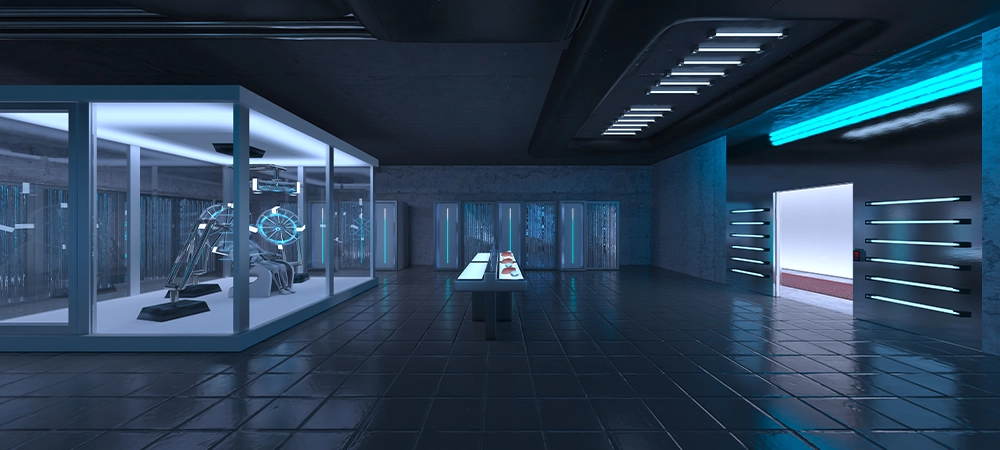
Cleanroom facilities are essential in industries where contamination control directly impacts product quality, regulatory compliance, and operational safety. From pharmaceuticals and biotechnology to electronics manufacturing, the demand for controlled environments continues to grow rapidly. As industries face tighter deadlines and stricter standards, faster facility setup has become a critical priority.
One of the most effective ways to achieve this efficiency is through integrated engineering and project delivery approaches that streamline design, construction, and validation into a single coordinated process. Modern cleanroom development focuses on reducing delays caused by fragmented workflows and improving overall project predictability. This is where integrated project models such as Turnkey Cleanroom Solutions play a vital role in accelerating delivery timelines while maintaining strict compliance standards.
The Need for Faster Cleanroom Implementation
Traditional cleanroom construction often involves multiple contractors, separate design teams, and staggered execution phases. This fragmented approach can lead to communication gaps, redesign delays, and extended commissioning periods.
In contrast, faster implementation is achieved when planning, engineering, procurement, and installation are aligned from the beginning. This reduces downtime and ensures all systems are designed to work together seamlessly.
Industries now prioritize speed because delayed facility readiness can directly impact:
- Time-to-market for pharmaceutical products
- Production capacity in semiconductor manufacturing
- Research timelines in biotech development
- Regulatory approval schedules
Integrated Engineering for Streamlined Execution
A major advantage of modern cleanroom delivery is the integration of engineering disciplines under a unified framework. Mechanical, electrical, structural, and validation engineering teams work together from the initial design phase, reducing the risk of later-stage modifications.
This coordinated approach eliminates common bottlenecks such as design conflicts and site rework. Instead of resolving issues during construction, they are addressed during the planning stage, saving both time and resources.
Modular Construction and Prefabrication Advantages
One of the key drivers of faster cleanroom setup is modular construction. Prefabricated components are manufactured off-site under controlled conditions and then assembled on location. This significantly reduces on-site construction time and minimizes environmental disruption.
Key benefits of modular cleanroom systems include:
- Faster installation compared to traditional builds
- Higher quality control during fabrication
- Reduced on-site labor requirements
- Easier scalability for future expansion
Because components are pre-engineered, installation becomes a structured assembly process rather than a prolonged construction project.
Streamlined Project Management and Coordination
Efficient project management is essential for accelerating cleanroom delivery. Centralized coordination ensures that every phase—design, procurement, installation, and validation—follows a clear timeline.
Project managers use detailed scheduling tools and milestone tracking systems to avoid delays. This level of organization ensures that materials arrive on time, contractors are aligned, and testing phases begin immediately after installation.
When communication is streamlined, decision-making becomes faster and more accurate, reducing the risk of project overruns.
Faster Validation and Compliance Processes
Validation is one of the most time-sensitive stages in cleanroom setup. It involves testing air quality, pressure differentials, particle counts, and environmental stability to ensure compliance with industry standards.
In integrated project models, validation planning begins during the design phase rather than after construction. This proactive approach ensures that systems are built with compliance in mind, reducing the need for corrective modifications later.
Common validation steps include:
- Airflow visualization and testing
- HEPA/ULPA filter efficiency verification
- Environmental monitoring calibration
- Cleanroom classification certification
By embedding compliance requirements early, the validation process becomes significantly faster and more efficient.
Reduced Risk of Delays and Rework
Delays in cleanroom projects often arise from design inconsistencies, material shortages, or installation errors. Integrated delivery approaches reduce these risks by ensuring all stakeholders follow a unified project plan.
Because systems are pre-engineered and validated in stages, the likelihood of rework is minimized. This not only accelerates project completion but also reduces overall costs associated with corrections and downtime.
Conclusion
Faster cleanroom facility setup is no longer just a competitive advantage—it is a necessity for industries operating under strict timelines and regulatory pressure. By combining integrated engineering, modular construction, and coordinated project management, organizations can significantly reduce setup time without compromising quality or compliance.
Modern delivery models such as turnkey approaches provide a structured and efficient pathway from design to validation, ensuring that cleanroom facilities are operational in the shortest possible time while maintaining the highest industry standards.


