


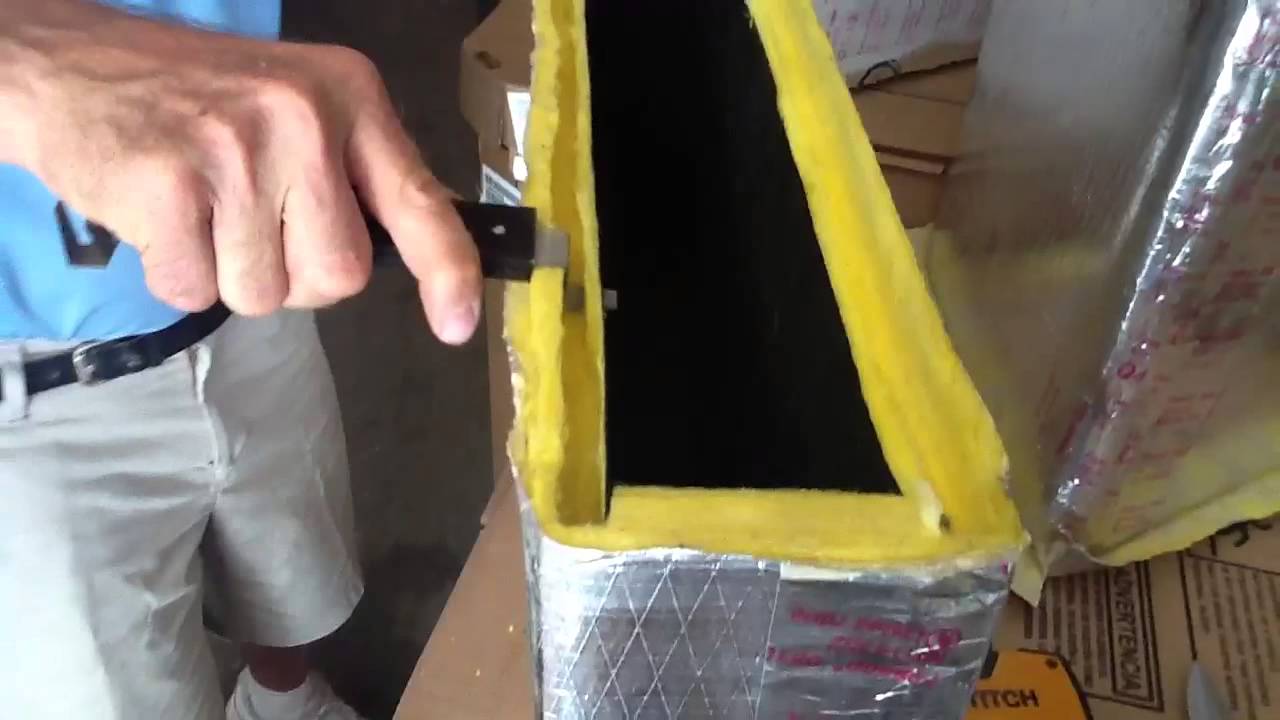
Insulation duct boards are a critical component in modern HVAC systems, providing thermal insulation, sound absorption, and structural integrity for ductwork. These boards contribute to energy efficiency, reduce operational costs, and improve indoor air quality. However, like any building material, their performance and lifespan depend largely on proper maintenance and handling. Understanding how to care for insulation duct boards can help maximize their benefits and ensure long-term reliability.
High-quality Insulation Duct Board products are designed to resist moisture, mold, and mechanical damage, but even the best materials require periodic inspection and upkeep. Proper maintenance not only extends the lifespan of the boards but also preserves the efficiency and effectiveness of the HVAC system as a whole.
Importance of Routine Inspection
Routine inspections are essential for maintaining the integrity of insulation duct boards. Over time, boards can experience wear and tear due to mechanical vibrations, temperature fluctuations, or environmental factors. Inspections should focus on identifying signs of damage such as cracks, tears, moisture accumulation, or compression that can compromise insulation performance.
Checking duct connections, seams, and attachment points is equally important. Loose or misaligned boards can reduce thermal efficiency, increase energy consumption, and create opportunities for air leakage. Regular inspections help identify minor issues before they escalate into costly repairs, ensuring that the HVAC system operates efficiently.
Cleaning and Surface Maintenance
Dust, debris, and airborne particles can accumulate on the surface of insulation duct boards, particularly in commercial or industrial settings. While the boards themselves do not typically require heavy cleaning, removing excess dust and debris can prevent surface damage and maintain airflow efficiency.
A soft brush, vacuum, or low-pressure air blower can be used to clean the surface without damaging the board. Avoid using excessive water or cleaning solutions, as moisture can degrade the material or encourage mold growth. Maintaining a clean environment around the ductwork also contributes to overall HVAC system hygiene and improves indoor air quality.
Moisture Control and Prevention
One of the primary threats to insulation duct boards is moisture infiltration. Boards that are exposed to water or high humidity may experience reduced thermal performance, structural damage, and potential mold growth. Ensuring proper sealing of duct seams and edges is essential for preventing moisture intrusion.
Additionally, controlling humidity levels in the surrounding environment and addressing any leaks in the HVAC system promptly can protect the boards. Using moisture-resistant insulation duct boards in areas prone to high humidity further enhances durability and prolongs lifespan.
Protection Against Physical Damage
Mechanical impact, vibration, or improper handling can damage insulation duct boards. During installation or maintenance, care should be taken to avoid dropping, bending, or compressing the boards, as these actions can reduce thermal efficiency and structural integrity. In high-traffic areas, boards may require protective covers or barriers to prevent accidental damage.
Securing the boards firmly during installation and ensuring that duct supports provide adequate stability reduces the risk of sagging or deformation. Preventing physical damage not only maintains insulation effectiveness but also minimizes the need for frequent replacements.
Monitoring for Mold and Contaminants
Mold and microbial growth can compromise the performance of insulation duct boards and pose health risks to building occupants. Regular monitoring for signs of mold, unusual odors, or discoloration is essential. Any affected sections should be addressed immediately to prevent spread and further damage.
Proper ventilation, moisture control, and maintaining indoor air quality are key preventive measures. In commercial or industrial environments, routine cleaning and HVAC maintenance also help minimize the risk of contaminants affecting insulation boards.
Expected Lifespan
The lifespan of insulation duct boards depends on material quality, environmental conditions, and maintenance practices. High-quality boards can last for 15 to 30 years or more when properly maintained, while poorly maintained or low-grade boards may degrade much sooner. Factors such as exposure to moisture, extreme temperatures, physical damage, and mold growth can significantly shorten lifespan.
Regular inspections, preventive maintenance, and adherence to manufacturer guidelines play a critical role in maximizing the longevity of insulation duct boards. By investing time in proper care, building owners can achieve long-term energy savings and maintain consistent HVAC system performance.
Replacing and Upgrading Insulation Duct Boards
Even with careful maintenance, insulation duct boards may eventually require replacement. Boards that are structurally compromised, heavily contaminated, or showing signs of significant wear should be replaced promptly to ensure continued efficiency. Upgrading to newer, high-performance insulation materials can further enhance energy efficiency, sound absorption, and indoor air quality.
Working with qualified HVAC professionals ensures that replacement or upgrade installations are performed correctly, maintaining system reliability and maximizing the benefits of insulation duct boards.
Conclusion
Insulation duct boards are essential for efficient, reliable, and durable HVAC systems. Their performance depends not only on the quality of the material but also on proper maintenance and handling. Regular inspections, surface cleaning, moisture control, protection against physical damage, and monitoring for mold are key practices for extending the lifespan of these boards.
By following these maintenance guidelines, building owners and HVAC operators can ensure long-term energy efficiency, indoor comfort, and system reliability. Proper care and timely replacement of insulation duct boards provide lasting value, making them a cost-effective solution for both commercial and residential HVAC applications.


