


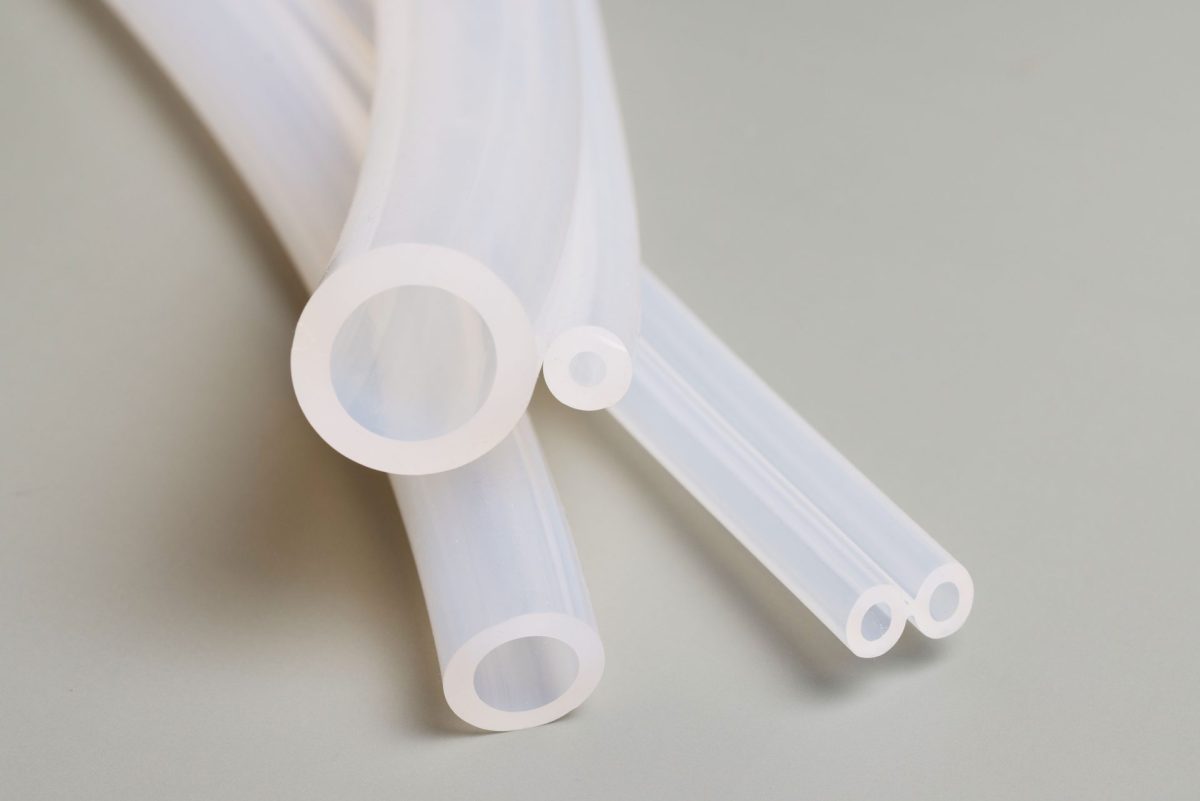
Medical equipment requires components that meet the highest standards of safety, reliability, and performance. One of the most critical materials in this regard is silicone tubing. It is widely used in healthcare devices for fluid transfer, respiratory systems, intravenous therapy, and laboratory applications. Selecting the right medical silicone tubing is essential to ensure patient safety, device efficiency, and regulatory compliance. Several factors must be carefully considered when sourcing silicone tubing for medical use.
Quality and Compliance Standards
The first and most important consideration is the quality of the silicone tubing. Medical devices operate under strict conditions, and the materials used must meet rigorous standards. Medical-grade silicone is designed to be biocompatible, chemically inert, and able to withstand sterilization processes without degrading. When sourcing silicone tubing, healthcare providers and manufacturers must verify that the tubing adheres to relevant regulatory standards, such as ISO 10993 for biocompatibility, FDA approval for medical use, and RoHS compliance for material safety.
Equally important is the source of the tubing. Working with reputable suppliers ensures that the material meets quality standards consistently. In many healthcare settings, Medical Silicone Tubing is sourced from manufacturers that specialize in medical-grade materials and provide documentation to certify performance. This ensures that the tubing can safely handle sensitive fluids, resist contamination, and perform reliably under demanding conditions.
Material Properties and Performance
When selecting silicone tubing, understanding its material properties is crucial. Key characteristics to consider include flexibility, tensile strength, temperature resistance, and chemical resistance. Flexibility is essential for applications where the tubing must bend, twist, or move without kinking or collapsing. This is particularly important in devices such as catheters, ventilators, and IV lines.
Tensile strength determines the tubing’s ability to withstand pressure and mechanical stress. High-strength silicone tubing is necessary in applications that involve fluid pumping, high flow rates, or repeated movement. Temperature resistance is another critical factor. Medical tubing often undergoes sterilization through autoclaving, gamma radiation, or chemical processes. Tubing must maintain its integrity without cracking, deforming, or losing elasticity under these conditions.
Chemical resistance is equally important, especially when the tubing comes into contact with medications, saline solutions, or cleaning agents. Tubing that reacts with fluids or chemicals can compromise patient safety and affect device performance. Choosing silicone with proven chemical resistance ensures reliability and longevity in clinical use.
Dimensions and Customization
Medical devices require tubing that fits precisely within the equipment’s design specifications. Sourcing silicone tubing with the correct inner diameter, wall thickness, and length is essential to ensure proper fluid flow and compatibility with connectors or fittings. Incorrect dimensions can lead to leaks, blockages, or reduced efficiency, impacting patient care.
Many suppliers offer customization options to meet specific requirements. Customizable silicone tubing allows healthcare manufacturers to select tubing that aligns with both device design and clinical needs. In some cases, color-coded tubing or multi-lumen designs are used to differentiate between fluids or gases, improving safety and workflow efficiency in complex medical environments.
Sterilization and Reusability
Another key factor when sourcing medical silicone tubing is its ability to withstand sterilization. Medical tubing often undergoes repeated sterilization cycles to maintain hygiene and prevent infections. Tubing that cannot endure autoclaving, gamma radiation, or chemical sterilization may degrade over time, leading to cracks, leaks, or contamination.
Reusable tubing must maintain consistent performance through multiple sterilization cycles. Healthcare providers should verify the supplier’s testing and certification processes to ensure that the tubing meets durability standards. For single-use applications, ensuring proper quality control and hygiene is essential to prevent contamination and safeguard patient health.
Supplier Reputation and Support
Selecting the right supplier is as important as the material itself. Trusted suppliers provide detailed product specifications, regulatory documentation, and technical support. They can offer guidance on selecting tubing for specific applications, suggest alternatives when needed, and ensure timely delivery to maintain smooth operations.
A supplier with a strong reputation in the medical industry often has experience with diverse applications, from laboratory setups to critical care devices. Partnering with such a supplier reduces risks related to quality issues, regulatory compliance, and performance failures.
Cost and Availability
While quality should never be compromised, cost and availability are practical considerations. Medical facilities and manufacturers must balance budget constraints with the need for high-performance tubing. Bulk ordering, long-term contracts, or supplier partnerships can help optimize costs without sacrificing quality. Additionally, availability and lead times are crucial in maintaining uninterrupted medical operations.
Conclusion
Sourcing medical silicone tubing requires careful evaluation of multiple factors, including quality standards, material properties, dimensions, sterilization capabilities, supplier reputation, and cost. High-quality silicone tubing ensures patient safety, device reliability, and regulatory compliance, making it a critical component in modern healthcare equipment. By considering these factors, healthcare providers and manufacturers can select tubing that supports effective, safe, and efficient medical care, while also fostering long-term operational reliability.


