


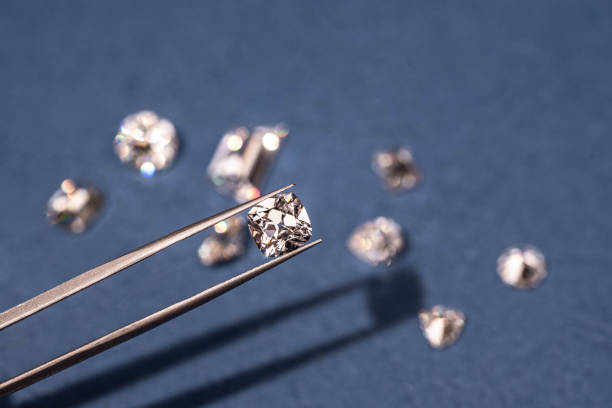
Diamonds have long been valued for their beauty, durability, and symbolism. However, with the rise of modern technology, buyers now have a choice between natural diamonds and lab grown diamonds. Understanding the key differences between these two options can help you make a more informed decision based on your budget, values, and preferences.
What Are Natural Diamonds?
Natural diamonds are formed deep within the Earth over billions of years under intense pressure and heat. They are mined from the Earth’s surface and then cut and polished to be used in jewelry. Due to their natural origin and limited supply, they are often considered rare and valuable.
What Are Lab Grown Diamonds?
Lab grown diamonds are created in a controlled environment using advanced technological processes. These diamonds have the same chemical composition and physical properties as natural diamonds. The main difference lies in how they are formed, as lab grown diamonds can be produced within weeks instead of millions of years.
Key Differences Between Lab Grown and Natural Diamonds
The most noticeable difference between lab grown and natural diamonds is their origin. Natural diamonds come from the Earth, while lab grown diamonds are created in laboratories. Despite this difference, both types look identical to the naked eye and offer the same brilliance and sparkle.
Another major difference is price. Lab grown diamonds are generally more affordable than natural diamonds. This makes them an attractive option for buyers who want high-quality diamonds without spending a large amount of money. For businesses and bulk buyers, sourcing lab grown diamonds wholesale is a practical way to reduce costs while maintaining quality standards.
Environmental impact is also an important factor. Natural diamond mining can have significant environmental consequences, including land disruption and energy consumption. In contrast, lab grown diamonds are considered a more eco-friendly option as they require fewer natural resources.
Quality and Appearance
Both lab grown and natural diamonds are identical in terms of appearance. They share the same brilliance, clarity, and hardness. In fact, even professional gemologists often need specialized equipment to tell them apart. Lab grown diamonds can sometimes have fewer inclusions due to controlled production conditions, which may result in higher clarity.
Durability and Longevity
When it comes to durability, there is no difference between the two. Both lab grown and natural diamonds rank 10 on the Mohs hardness scale, making them extremely resistant to scratches and suitable for everyday wear.
Value and Resale
Natural diamonds have traditionally held their value better over time due to their rarity and long-established market demand. Lab grown diamonds, on the other hand, are more affordable but may not retain resale value in the same way. However, many modern buyers prioritize affordability and sustainability over long-term investment.
Which One Should You Choose?
The choice between lab grown and natural diamonds depends on your priorities. If you value tradition, rarity, and potential resale value, natural diamonds may be the better option. If you are looking for a cost-effective, ethical, and environmentally friendly alternative, lab grown diamonds are an excellent choice.
Final Thoughts
Both lab grown and natural diamonds offer beauty and durability, making them suitable for all types of jewelry. The key differences lie in their origin, cost, and environmental impact. By understanding these factors, you can choose the option that best fits your needs and preferences.


