


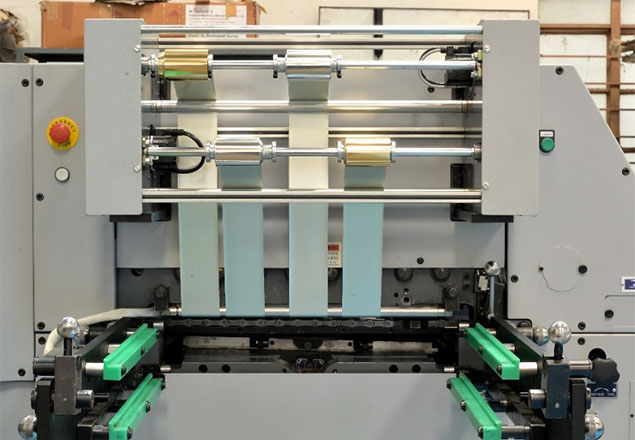
Manufacturers looking to elevate product presentation often rely on specialized finishing techniques that create premium visual effects. One of the most effective tools used in printing and packaging is an automatic hot stamping machine. This industrial equipment applies metallic or colored foil to materials such as paper, cardboard, leather, and plastics through heat and pressure. The result is a sharp, elegant finish that enhances branding, improves product appeal, and creates a high-end look. From luxury packaging to book covers and labels, this technology allows companies to achieve consistent decorative results while maintaining high production efficiency.
In modern production facilities, an automatic hot stamping machine helps businesses streamline decorative printing processes while ensuring precision and consistency. These machines integrate automated feeding systems, temperature control, and pressure regulation to apply foil accurately across different surfaces. Many manufacturers depend on reliable solutions such as automatic hot stamping machine technology to improve output quality, minimize manual labor, and support high-volume production requirements.
Understanding the Automatic Hot Stamping Process
Hot stamping is a decorative printing method where foil or pigment is transferred onto a surface using a heated metal die. During the process, the die presses foil onto the material with controlled heat and pressure, leaving a metallic or pigmented impression.
Automatic machines enhance this process by automating several key functions. Instead of relying on manual alignment and operation, these systems handle sheet feeding, foil movement, pressure adjustment, and positioning automatically.
Typical components of an automated stamping system include:
- Heating unit: Maintains consistent temperature for accurate foil transfer
- Stamping die: Imprints the desired design or text
- Foil feeding system: Ensures smooth foil movement during production
- Automated controls: Regulate pressure, alignment, and speed
Together, these components allow manufacturers to achieve faster and more reliable results.
Why Automation Is Essential in Foil Stamping
Traditional stamping methods often require manual handling and frequent adjustments. This can slow down production and increase the risk of errors. Automated systems solve these challenges by introducing advanced control and precision.
Higher Production Speed
Automated machines can process thousands of sheets per hour. This capability helps companies handle large orders efficiently without sacrificing quality.
Consistent Results
Precision sensors and digital controls ensure that every stamped design is placed accurately. This consistency is essential for maintaining brand identity and product quality.
Lower Labor Requirements
Because the machine performs most of the operational tasks automatically, fewer workers are needed for production. This reduces labor costs and simplifies workflow management.
Reduced Error Rates
Automation minimizes alignment mistakes, pressure inconsistencies, and other issues that may occur with manual processes.
Industries That Use Hot Stamping Technology
Hot stamping is widely used across several industries because it produces durable, visually appealing finishes.
Packaging and Branding
Luxury packaging frequently uses metallic foil stamping to highlight brand names and decorative elements. Cosmetic packaging, perfume boxes, and premium product packaging often include this technique.
Publishing and Print Design
Books, certificates, invitation cards, and magazines benefit from foil stamping because it creates elegant and professional designs.
Label Manufacturing
Product labels often require eye-catching details to attract consumers. Foil stamping enhances logos, text, and decorative patterns.
Leather and Textile Products
Manufacturers also use stamping technology to imprint logos or designs onto leather goods like wallets, handbags, and belts.
Important Features to Consider in Stamping Equipment
Choosing the right machine is essential for achieving efficient and reliable production. Several features can significantly influence performance.
Accurate Temperature Control
Maintaining precise temperature levels ensures proper foil adhesion and prevents damage to materials.
Advanced Alignment Systems
High-quality machines include sensors that automatically position sheets for precise stamping.
Durable Industrial Construction
Strong mechanical components allow machines to operate continuously in demanding production environments.
User-Friendly Interface
Modern machines often feature digital controls or touchscreen panels, allowing operators to adjust settings quickly and manage production more efficiently.
Benefits for Modern Manufacturing Businesses
Investing in automated stamping technology offers several advantages beyond improved efficiency.
Enhanced Product Appearance
Foil stamping adds a sophisticated look that increases product value and strengthens brand perception.
Reduced Material Waste
Automation helps minimize errors and misprints, which reduces wasted materials and lowers production costs.
Flexible Production Options
Manufacturers can easily switch between designs and materials, making it possible to handle multiple projects with minimal downtime.
Long-Term Cost Efficiency
Although automated machines require an initial investment, they often reduce long-term operational expenses through improved productivity and lower labor costs.
Best Practices for Machine Maintenance
To ensure reliable operation and long equipment life, proper maintenance is essential.
Routine Cleaning
Regular cleaning prevents dust or debris from interfering with machine components and stamping accuracy.
Temperature Monitoring
Maintaining correct heat levels ensures consistent foil transfer and protects materials from overheating.
Die Inspection
Stamping dies should be inspected periodically to ensure they remain sharp and capable of producing clear impressions.
Scheduled Technical Servicing
Professional servicing helps detect mechanical issues early and prevents unexpected downtime.
Emerging Trends in Foil Stamping Technology
The printing and packaging industries are evolving rapidly, and stamping technology continues to advance.
Smart Manufacturing Integration
Many modern machines now integrate with digital monitoring systems that track production performance and machine efficiency.
Improved Energy Efficiency
New equipment designs focus on reducing energy consumption while maintaining high-speed production.
Multi-Function Finishing Systems
Some machines combine foil stamping with additional processes like embossing or die cutting, allowing manufacturers to perform multiple finishing operations in one production cycle.
Advanced Precision Technologies
Artificial intelligence and smart sensors are gradually improving alignment, pressure control, and operational automation.
Conclusion
Foil stamping remains one of the most effective finishing techniques for enhancing packaging and printed materials. By combining heat, pressure, and precision automation, manufacturers can produce visually striking products with consistent quality.
As demand for premium packaging and high-end printing continues to grow, automated stamping technology offers businesses a reliable way to improve efficiency and product presentation. Companies that adopt advanced systems can streamline production, reduce operational costs, and create distinctive products that stand out in competitive markets.


