


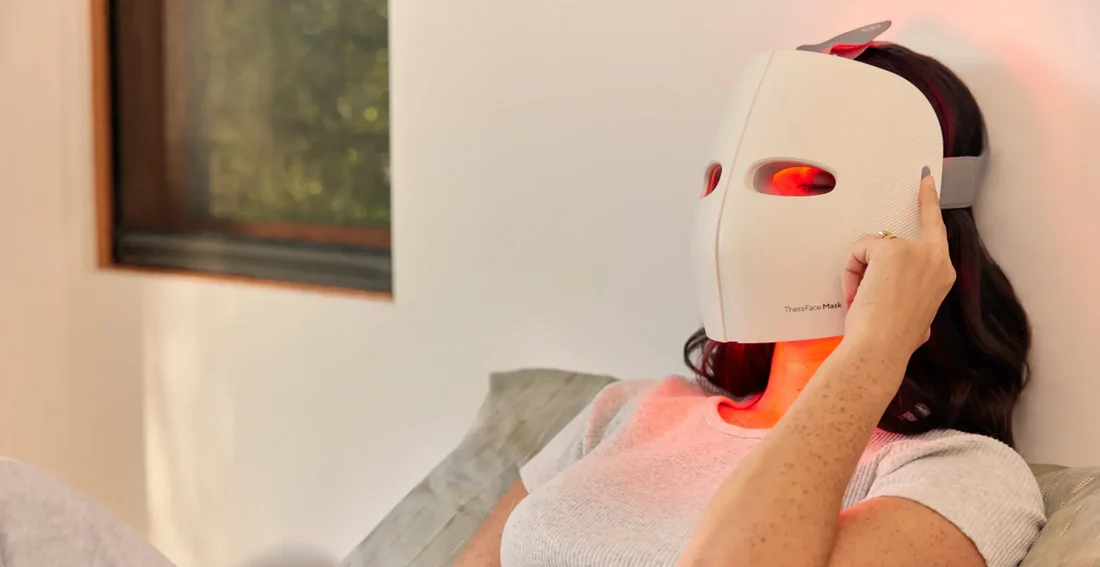
LED face masks have become increasingly popular as a non-invasive skincare treatment, offering benefits such as improved collagen production, reduced acne, and diminished fine lines. Their rising demand has led to a wide range of products on the market, which can make selecting a reliable device challenging. Because these masks emit light energy directly onto the skin, safety should be a top priority. Understanding safety standards and certifications helps ensure that a device is both effective and protected from potential harm. This article explores the key certifications, testing standards, and safety features you should look for when evaluating any LED mask.
When shopping for a device, it is essential to choose one that meets recognized regulatory and safety standards. Look for products that have been tested and certified by reputable organizations known for stringent evaluation processes. A certified device has undergone testing for electrical safety, light output accuracy, and material safety, among other aspects. For those seeking a trusted and professionally designed device, the Best LED Face Mask incorporates multiple safety features, adheres to established regulatory standards, and is built with medical-grade materials to minimize risks while delivering effective light therapy across a range of skin concerns.
Understanding Regulatory Safety Standards
One of the most important certifications to look for is approval or clearance from government regulatory bodies. In the United States, the Food and Drug Administration (FDA) evaluates medical devices for safety and effectiveness. While not all at-home skincare devices require full FDA approval, many reputable LED masks achieve FDA clearance, indicating that the product meets specific safety and performance criteria. Similar regulatory organizations exist in other countries, such as the European CE marking, which signifies compliance with health, safety, and environmental protection standards in the European Union.
Certifications from these entities demonstrate that a product has been independently reviewed and deemed safe when used as intended. Regulatory compliance includes evaluation of electrical safety, radiation exposure limits, and labeling accuracy. These benchmarks provide peace of mind that a device is not only effective but also safe for consumer use.
Electrical Safety and Material Standards
Another crucial area of certification involves electrical safety. LED masks rely on electrical power, and poor design or substandard materials could pose risks such as overheating, short circuits, or even fires. Certifications from organizations such as Underwriters Laboratories (UL), Intertek (ETL), and TÜV Rheinland indicate that the device has passed rigorous testing for electrical performance and durability. These organizations test products in controlled environments to ensure they meet or exceed industry safety requirements.
Material safety certifications are also important. Masks should be made from skin-safe, hypoallergenic materials that do not emit harmful chemicals during use. Many high-quality devices use medical-grade silicone or similar materials that have been tested for skin compatibility and resistance to bacterial buildup. When a product meets material safety standards, users are less likely to experience irritation, allergic reactions, or contamination issues.
Light Exposure and Eye Protection Standards
Since LED masks deliver light directly to the skin and close to the eyes, controlling light exposure and minimizing potential harm is essential. Look for devices that specify the wavelengths used and demonstrate that they are within established therapeutic ranges. For example, red light in the range of 630-700 nanometers is widely recognized for stimulating collagen, while blue light around 405-470 nanometers targets acne-causing bacteria. Certifications or testing reports that verify wavelength accuracy help ensure that the mask delivers therapeutic benefits without excessive or unsafe radiation.
In addition to wavelength accuracy, eye safety certifications or built-in protection are important. LED masks often include eye shields or recommend closing the eyes during treatment to avoid prolonged exposure. A device that has undergone testing for safe light exposure and includes protective design features reduces the risk of eye strain or retinal damage.
Performance Testing and Clinical Validation
Beyond safety alone, performance testing and clinical validation demonstrate that a product delivers measurable results. Reputable manufacturers conduct internal and third-party testing to assess performance over time, durability under repeated use, and consistency of light output. Clinical studies or trials that support a product’s claims add credibility, showing that the device has been tested on real users under controlled conditions.
When evaluating performance claims, look for evidence that the device has been tested on a diverse user base, including a range of skin types and ages. This helps ensure that results are consistent and not limited to a narrow demographic. Even if you do not access the full study, summaries or references to clinical testing in product documentation indicate a higher level of commitment to efficacy and safety.
Consumer Reviews and Long-Term Reliability
While certifications and standards provide objective assurance, real-world user feedback also matters. Consumer reviews and independent expert evaluations can reveal how a device performs over months or years. Look for consistent feedback on durability, results, comfort, and customer service. While individual experiences vary, patterns in reviews can help validate whether a product lives up to its claims.
Additionally, manufacturer warranties and return policies indicate confidence in product quality. A long warranty period can provide extra protection for consumers, giving them recourse if a device fails prematurely.
Conclusion
Choosing the safest and most effective LED face mask requires careful attention to regulatory certifications, electrical and material safety standards, light exposure controls, and clinical validation. Devices that meet these criteria are more likely to deliver reliable results without compromising user safety. By prioritizing products with recognized certifications and documented performance, you can enjoy the benefits of LED therapy with confidence. Safety standards and certifications are not merely labels; they represent rigorous testing and verification that safeguard your investment and your skin.


