


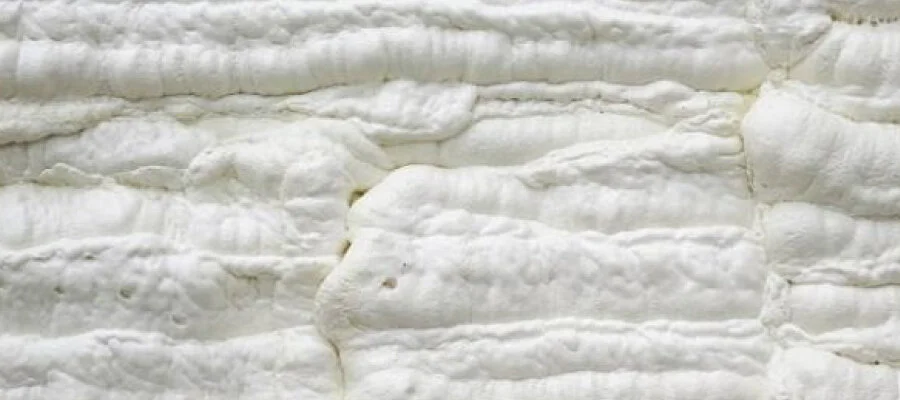
Polyurethane (PU) foaming machines are critical in the production of foam products used across automotive, furniture, construction, refrigeration, and packaging industries. Manufacturers of these machines offer two primary types of systems: high-pressure and low-pressure. Each system has distinct advantages, applications, and operational requirements, making it important for businesses to understand their differences before selecting equipment. Choosing the right system affects production efficiency, foam quality, and overall operational costs.
High-pressure and low-pressure systems differ in their mixing methods, chemical handling, and output capabilities. Reputable Polyurethane Foaming Machine Manufacturers design these machines to meet diverse production needs, from small-scale flexible foam manufacturing to large-scale rigid foam applications. Both systems aim to provide accurate chemical metering, consistent foam quality, and reliable operation, but the mechanisms and performance characteristics vary significantly, influencing the choice depending on project requirements.
High-Pressure Systems
High-pressure polyurethane foaming machines are engineered for precision and performance. They are typically used in industrial applications where foam quality, density, and consistency are critical. Key features of high-pressure systems include:
- High-Pressure Mixing Heads: These heads allow for thorough blending of polyol and isocyanate components, ensuring a uniform cell structure in the finished foam.
- Accurate Chemical Metering: Servo-driven or hydraulic pumps provide precise control over component ratios, reducing material waste and enhancing consistency.
- Versatility in Foam Types: High-pressure systems can produce both rigid and flexible foams, making them suitable for automotive seating, appliance insulation, and other high-performance applications.
- High Production Rates: These machines are capable of continuous operation with large output volumes, ideal for industrial-scale manufacturing.
The advanced mixing and injection capabilities of high-pressure systems make them the preferred choice for applications requiring strict control over foam properties and high structural integrity.
Low-Pressure Systems
Low-pressure PU foaming machines are designed for applications where production volumes are moderate and the foam requirements are less stringent. These systems are common in the furniture, packaging, and small molded parts industries. Key characteristics include:
- Simplified Mixing Mechanism: Low-pressure machines typically use static or low-pressure mixing heads, which are easier to operate and maintain.
- Cost-Effectiveness: They are generally less expensive to purchase and maintain than high-pressure systems, making them suitable for small and medium-sized manufacturers.
- Ease of Operation: With fewer complex components, low-pressure systems require less technical expertise and training.
- Flexibility for Various Foam Densities: Low-pressure systems can produce a wide range of foam densities, suitable for cushions, mattresses, and packaging materials.
While low-pressure systems may not achieve the same precision or density as high-pressure machines, their simplicity and affordability make them ideal for smaller operations and applications where extreme accuracy is not required.
Comparison of Performance and Applications
When comparing high-pressure and low-pressure systems, several factors should be considered:
- Foam Quality: High-pressure systems produce uniform, dense foam with superior structural integrity, making them suitable for demanding industrial applications. Low-pressure systems produce softer, less dense foam suitable for cushioning and packaging.
- Production Volume: High-pressure machines are better for large-scale, continuous production, whereas low-pressure machines are optimized for moderate volumes.
- Maintenance Requirements: High-pressure systems have more complex components, requiring skilled technicians for maintenance, while low-pressure systems are simpler and easier to maintain.
- Initial Investment and Operating Costs: High-pressure systems have higher purchase and maintenance costs but offer superior performance. Low-pressure systems are more cost-effective upfront and easier to operate, though they may not achieve the same foam precision.
By understanding these differences, businesses can select the system that best aligns with their production goals, foam quality requirements, and budget constraints.
Technological Enhancements
Both high-pressure and low-pressure systems benefit from modern technological advancements. Manufacturers incorporate automation, digital control systems, and real-time monitoring into both types of machines. Key enhancements include:
- Programmable Logic Controllers (PLCs) for precise operation
- Touchscreen interfaces for easy adjustments and recipe storage
- Digital sensors for monitoring chemical flow, pressure, and temperature
- Remote diagnostics for predictive maintenance and process optimization
These technologies improve efficiency, reduce human error, and ensure consistent foam quality across both high- and low-pressure systems.
Choosing the Right System
The choice between high-pressure and low-pressure PU foaming machines depends on several factors:
- Required foam type and density
- Production volume and scale of operations
- Budget and investment capacity
- Maintenance capabilities and operator expertise
- Long-term operational goals and growth plans
Manufacturers often provide consultation and technical guidance to help clients select the most suitable system for their specific applications, ensuring optimal performance and return on investment.
Conclusion
High-pressure and low-pressure polyurethane foaming machines serve distinct purposes in industrial foam production. High-pressure systems excel in precision, density, and large-scale production, making them ideal for demanding applications. Low-pressure systems are cost-effective, easy to operate, and well-suited for flexible foam and moderate production volumes. By understanding the capabilities, advantages, and limitations of each system, businesses can make informed decisions and partner with reputable polyurethane foaming machine manufacturers to achieve consistent, high-quality foam production.


