


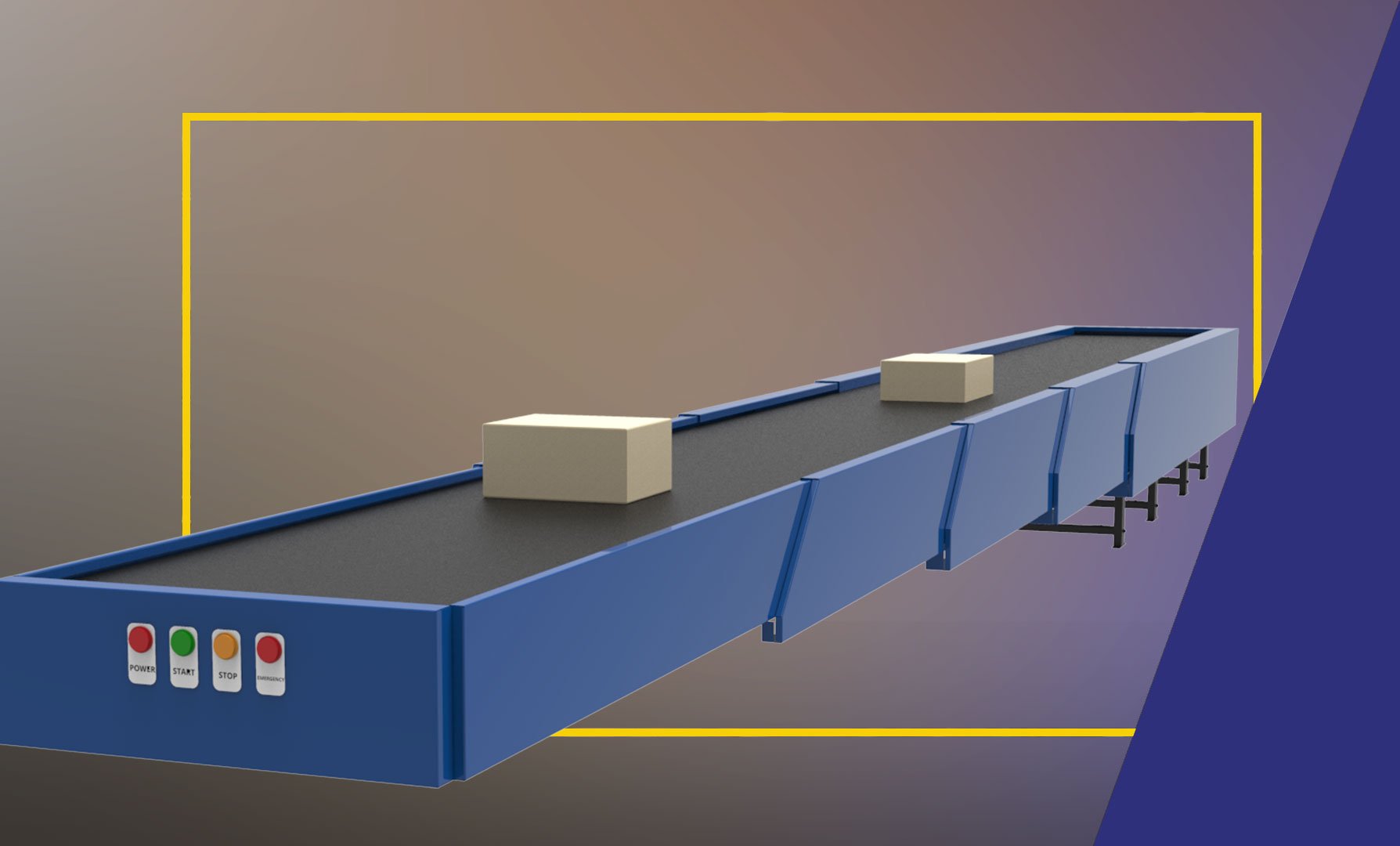
Safety is a critical consideration in any material-handling environment, especially in warehouses, logistics hubs, manufacturing plants, and distribution centers where equipment operates continuously. Telescopic belt conveyors are designed to improve loading and unloading efficiency, but like any mechanical system, they must be operated and maintained properly to prevent accidents and ensure long-term reliability. Establishing clear safety guidelines helps protect workers, reduce downtime, and maintain consistent operational performance.
Proper training and awareness are the foundation of safe conveyor operation. Employees who work with conveyor systems should understand equipment controls, load limits, emergency procedures, and routine inspection requirements. A telescopic belt conveyor is built with extendable sections, moving belts, and powered components that require careful handling during operation. When workers are familiar with how the system functions and how to respond in unexpected situations, the risk of workplace injuries can be significantly reduced.
Operator Training and Awareness
One of the most important safety measures is ensuring that all operators receive proper training before using a telescopic belt conveyor. Workers should learn how to start and stop the system, control extension and retraction, and monitor belt movement during loading and unloading.
Training should also include recognizing warning signs such as unusual noises, belt misalignment, or sudden speed changes. Early detection of these issues can prevent equipment damage and potential accidents. Refresher training sessions help maintain safety awareness and ensure employees remain familiar with updated procedures.
Supervisors should confirm that only authorized personnel operate the conveyor. Restricting access to trained operators reduces the likelihood of misuse or unsafe handling.
Pre-Operation Inspection Procedures
Before starting the conveyor, operators should perform a quick inspection to confirm that the system is in safe working condition. This includes checking the belt surface for damage, ensuring rollers move freely, and verifying that telescopic sections extend smoothly.
The work area around the conveyor should also be clear of obstacles. Loose packaging materials, tools, or debris near moving parts can create hazards during operation. Ensuring the loading dock area is clean and organized helps maintain a safe working environment.
Emergency stop buttons should be tested regularly to confirm they function correctly. These controls are essential for quickly stopping the conveyor in case of an emergency.
Safe Loading and Unloading Practices
Proper loading techniques play a major role in conveyor safety. Workers should place items carefully on the belt rather than throwing or dropping them. Overloading the conveyor beyond its rated capacity can strain the motor and structural components, increasing the risk of mechanical failure.
Packages should be distributed evenly across the belt surface to maintain balance and smooth movement. Items that are unstable or irregularly shaped should be handled with extra care to prevent shifting during transport.
Workers should never stand, sit, or climb on a moving conveyor. The belt is designed only for transporting materials, not people. Maintaining a safe distance from moving components helps prevent injuries.
Extension and Retraction Safety
The telescopic mechanism requires special attention because it involves moving structural sections. Operators should always ensure the extension path is clear before extending or retracting the conveyor. No workers or obstacles should be in the movement zone.
Extension and retraction should be performed slowly and under full control using the designated control system. Sudden or forced movement can damage components and create safety risks.
Limit switches and sensors should never be bypassed or disabled. These safety features prevent overextension and help maintain stable operation.
Maintenance and Lockout Procedures
Routine maintenance is essential for safe conveyor operation. Scheduled inspections should include checking motor performance, belt tension, lubrication of moving parts, and alignment of telescopic tracks.
Before performing maintenance, lockout and tagout procedures must be followed. Disconnecting the power supply ensures the conveyor cannot start unexpectedly while technicians are working on it. This practice is one of the most effective ways to prevent maintenance-related injuries.
Replacing worn components promptly helps maintain safe operation. Delaying repairs can lead to system failure or unsafe working conditions.
Workplace Safety Environment
A safe conveyor system also depends on the surrounding work environment. Adequate lighting in loading dock areas allows operators to see moving parts clearly. Clearly marked safety zones help workers understand where they should stand during operation.
Personal protective equipment such as gloves, safety shoes, and high-visibility clothing can further reduce risks. Communication between team members during loading and unloading operations helps prevent misunderstandings and accidents.
Posting visible safety instructions near the conveyor reinforces proper procedures and reminds workers to follow established guidelines.
Emergency Preparedness
Even with preventive measures in place, emergencies can still occur. Workers should know the location of emergency stop controls and understand how to use them immediately if needed.
Facilities should establish clear emergency response procedures, including reporting mechanical failures or injuries. Quick response and proper communication can minimize damage and protect employees.
Regular safety drills can help workers practice emergency actions and build confidence in handling unexpected situations.
Conclusion
Telescopic belt conveyors are valuable tools for improving logistics efficiency, but safe operation must always be a priority. By focusing on operator training, routine inspections, proper loading practices, and preventive maintenance, organizations can create a safer material-handling environment. Following clear safety guidelines ensures that telescopic belt conveyors operate reliably while protecting workers and supporting efficient loading and unloading operations in modern logistics facilities.


