


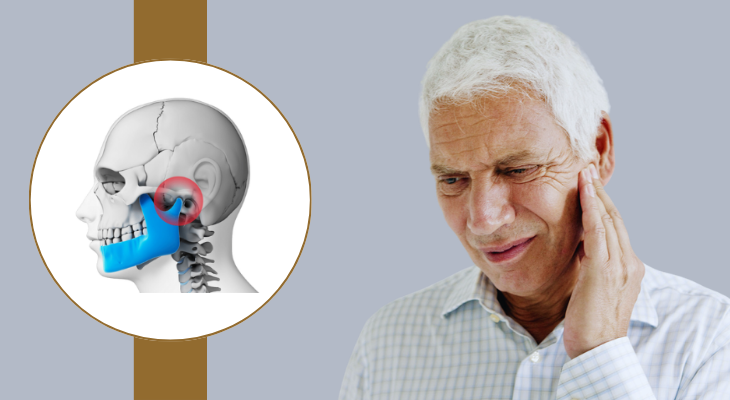
Orofacial pain refers to discomfort experienced in the face, jaw, mouth, teeth, or surrounding areas. This type of pain can vary from mild irritation to severe, persistent discomfort that affects daily activities such as eating, speaking, and sleeping. Because the face and jaw contain a complex network of muscles, nerves, and joints, the causes of orofacial pain can be diverse and sometimes difficult to identify without professional evaluation.
Understanding the root cause of facial pain is essential for effective treatment. Conditions such as dental infections, temporomandibular joint disorders, nerve-related issues, and muscle strain can all contribute to discomfort. Many patients seek professional help for issues like orofacial pain treatment, which focuses on diagnosing the underlying cause and providing targeted solutions. Early intervention not only relieves pain but also prevents the condition from worsening over time.
1. Dental Infections
Tooth decay, abscesses, and gum infections are among the most common causes of orofacial pain. These conditions can cause sharp or throbbing pain that may radiate to the jaw or face if left untreated.
2. Temporomandibular Joint (TMJ) Disorders
TMJ disorders affect the jaw joint and surrounding muscles, leading to pain, clicking sounds, and difficulty in jaw movement. Stress, teeth grinding, and misalignment often contribute to this condition.
3. Teeth Grinding (Bruxism)
Chronic teeth grinding, especially during sleep, can cause muscle fatigue, jaw pain, and tooth sensitivity. Over time, it may also lead to tooth wear and increased facial discomfort.
4. Sinus Infections
Sinus infections can cause pressure and pain in the upper jaw, cheeks, and around the eyes. This type of pain is often mistaken for dental issues due to its location.
5. Nerve Disorders
Conditions such as trigeminal neuralgia can cause sudden, sharp facial pain due to nerve irritation. These episodes may be triggered by simple activities like chewing or speaking.
6. Muscle Strain
Overuse of facial muscles due to clenching, stress, or excessive chewing can lead to muscle fatigue and soreness in the jaw and surrounding areas.
7. Dental Misalignment
Improper bite alignment can place uneven pressure on the jaw, leading to chronic discomfort and orofacial pain over time. Orthodontic issues are a common contributing factor.
8. Trauma or Injury
Facial injuries caused by accidents or impacts can result in lingering pain, swelling, or jaw stiffness. In some cases, structural damage may require medical intervention.
9. Ear and Head Conditions
Ear infections and certain types of headaches, such as migraines, can also cause referred pain in the facial region, making diagnosis more complex.
Treatment Options for Orofacial Pain
Effective treatment depends on identifying the underlying cause. Common treatment options include pain management medication, dental procedures for infections or misalignment, TMJ therapy, muscle relaxation techniques, and lifestyle changes such as stress management. In some cases, custom mouthguards or orthodontic treatment may be recommended to address bite-related issues.
Advanced diagnostic tools and professional evaluation help ensure that patients receive accurate treatment tailored to their specific condition. Early treatment is essential for preventing chronic pain and improving overall quality of life.
Conclusion
Orofacial pain can arise from a wide range of dental, muscular, and neurological conditions. Understanding its causes is the first step toward effective treatment. With proper diagnosis and timely care, most cases of facial pain can be successfully managed or resolved, allowing patients to regain comfort and normal function in their daily lives.


